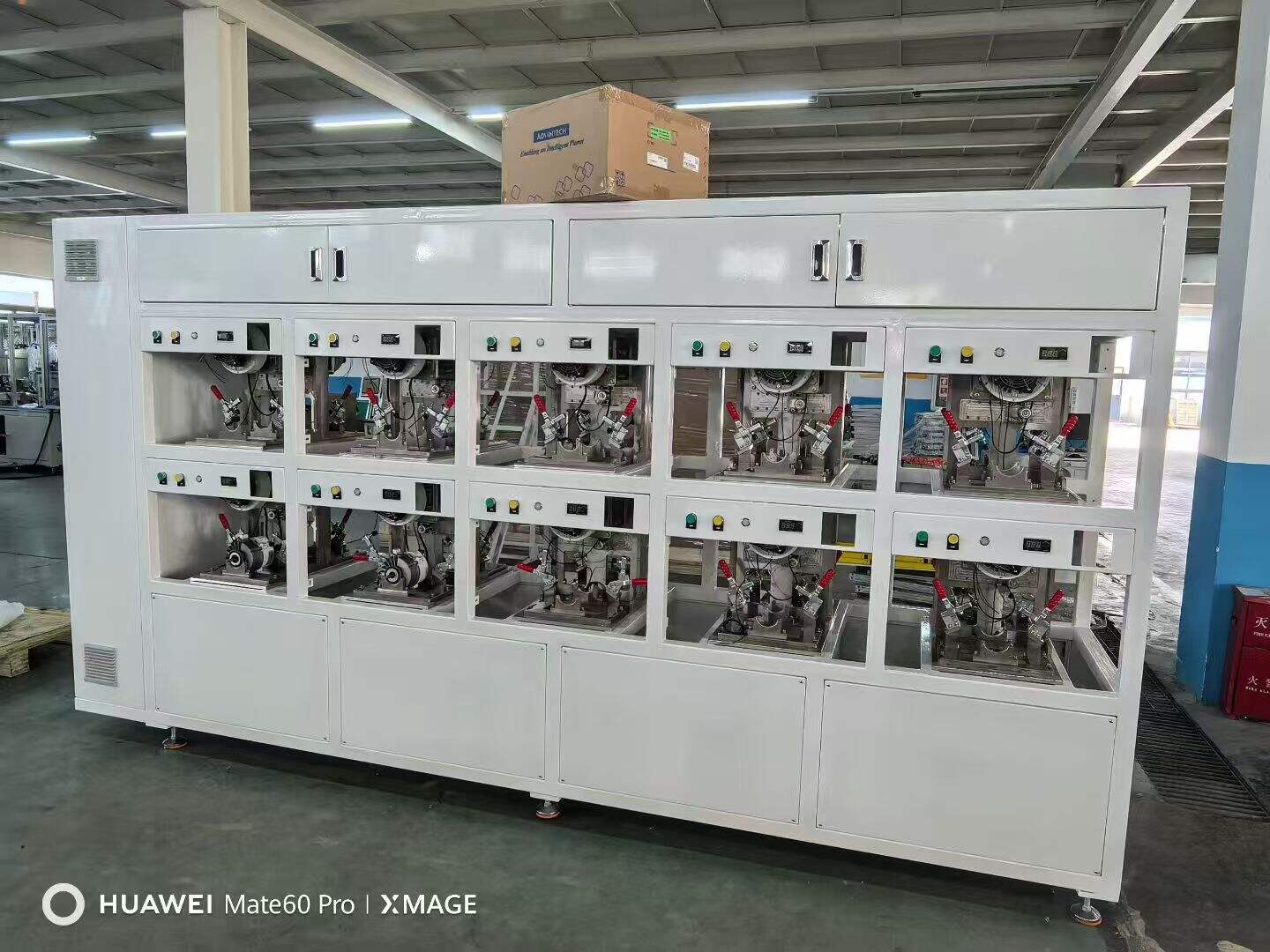
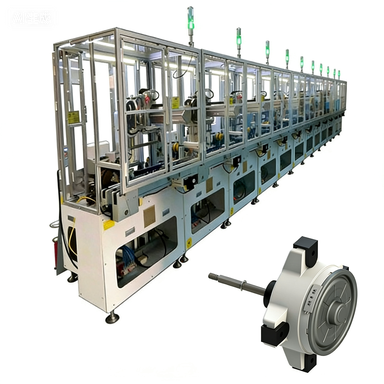
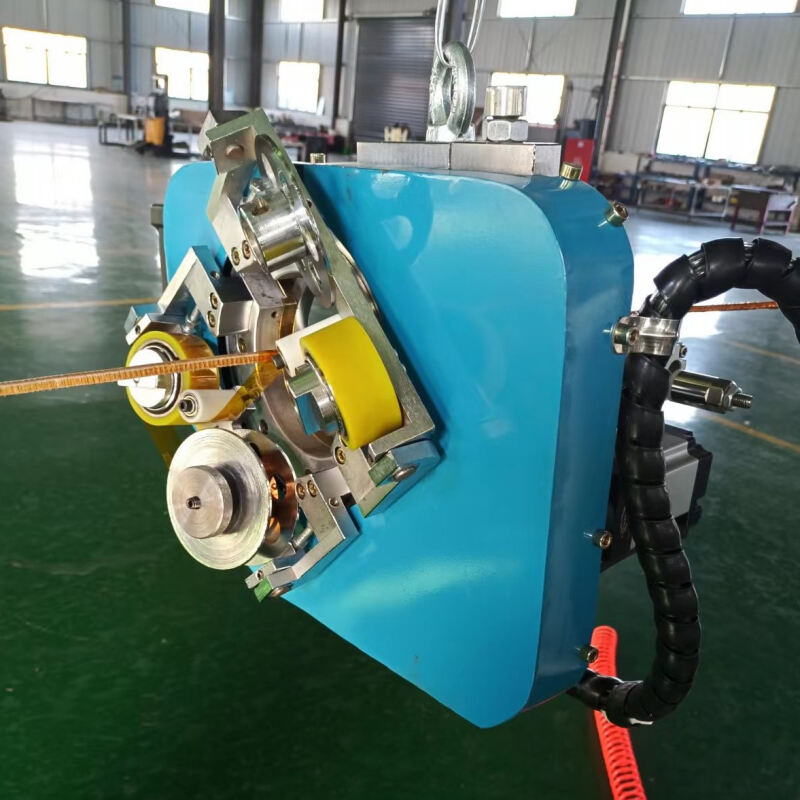
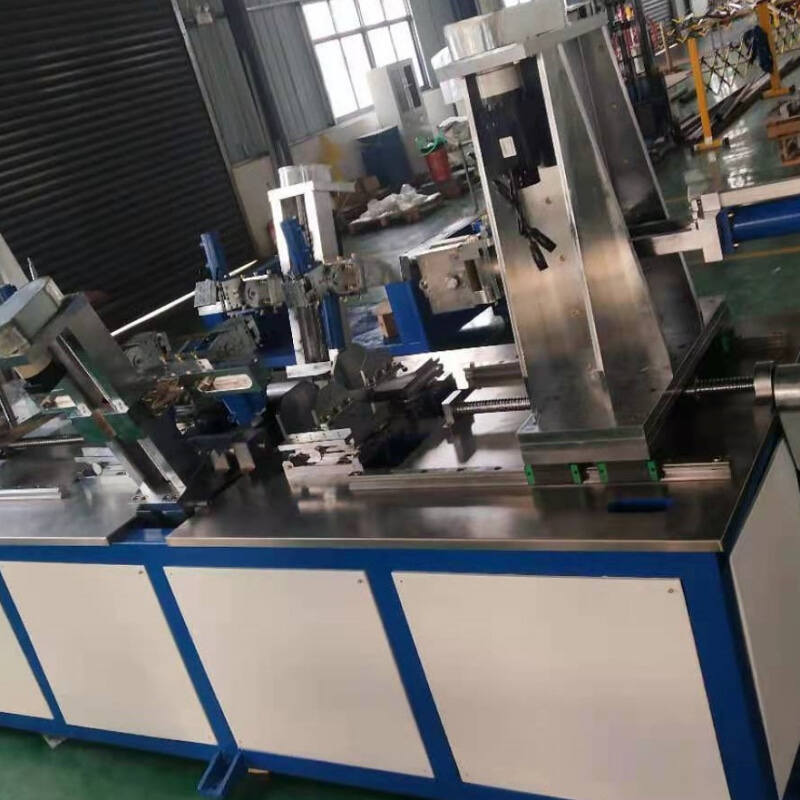
Industrial Motor Assembly Machine: Advanced Automated Solutions for Precision Motor Manufacturing

Get a Free Quote

Our representative will contact you soon.
Email
Name
Mobile/WhatsApp
Company Name
Message
0/1000

industrial motor assembly machine

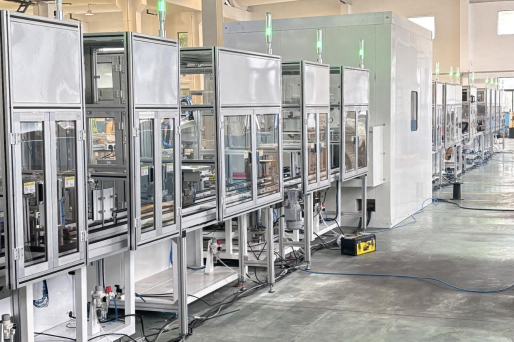
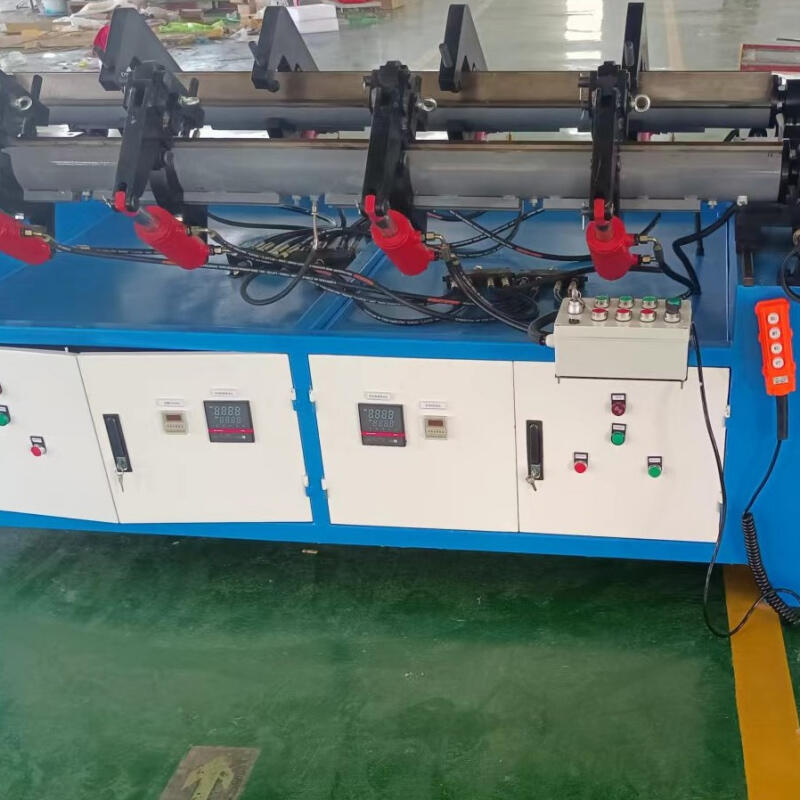
An industrial motor assembly machine represents a sophisticated manufacturing solution designed to streamline the production of electric motors across various industries. This automated equipment integrates multiple assembly processes into a unified system, eliminating manual labor bottlenecks while ensuring consistent quality standards. The industrial motor assembly machine combines precision robotics, advanced sensors, and intelligent control systems to handle complex tasks such as stator insertion, rotor positioning, bearing installation, shaft alignment, and endcap fastening. Modern iterations of these machines incorporate vision systems for quality inspection, torque monitoring for fastener verification, and data logging capabilities for traceability requirements. The technology behind an industrial motor assembly machine leverages programmable logic controllers and servo-driven actuators to achieve micron-level accuracy during component placement. These systems can accommodate diverse motor designs, from small fractional horsepower units used in consumer appliances to large industrial motors powering heavy machinery. The modular architecture of contemporary industrial motor assembly machine designs allows manufacturers to customize configurations based on specific production requirements, whether focusing on high-volume output or flexible batch production. Integration capabilities enable seamless communication with enterprise resource planning systems and manufacturing execution software, providing real-time production analytics and performance metrics. The industrial motor assembly machine typically features quick-changeover tooling systems that minimize downtime when switching between different motor models, enhancing overall equipment effectiveness. Safety interlocks, emergency stop mechanisms, and protective enclosures ensure operator protection while maintaining accessibility for maintenance activities. Energy-efficient designs reduce operational costs while meeting environmental sustainability goals. As manufacturing industries continue embracing Industry 4.0 principles, the industrial motor assembly machine stands as a cornerstone technology that delivers measurable improvements in productivity, quality consistency, and competitive positioning within global markets.

New Product Recommendations

Investing in an industrial motor assembly machine delivers substantial improvements that directly impact your bottom line and operational efficiency. First, these automated systems dramatically increase production speed compared to manual assembly methods, enabling your facility to meet growing demand without proportionally expanding your workforce. The industrial motor assembly machine operates continuously with minimal supervision, maintaining consistent output rates throughout shifts and eliminating the productivity variations inherent in human-dependent processes. Quality improvements represent another significant advantage, as automated assembly eliminates common errors such as improper component alignment, inconsistent torque application, and forgotten assembly steps. Every motor produced by an industrial motor assembly machine meets identical specifications, reducing warranty claims and enhancing your brand reputation for reliability. Labor cost reduction provides immediate financial benefits, as automation reduces the number of workers needed on assembly lines while allowing you to redeploy skilled personnel to higher-value tasks requiring human judgment and creativity. The industrial motor assembly machine also improves workplace safety by removing workers from repetitive motion injuries and exposure to potentially hazardous assembly operations. Flexibility advantages emerge through programmable systems that adapt to different motor designs without requiring extensive retooling or lengthy setup procedures. This adaptability allows you to respond quickly to customer requests for customized specifications or introduce new product lines without major capital investments. Data collection capabilities built into modern industrial motor assembly machine systems provide valuable insights into production trends, quality patterns, and equipment performance, enabling proactive maintenance scheduling and continuous improvement initiatives. Space utilization improves as compact automated cells replace sprawling manual assembly stations, freeing valuable floor space for additional production capacity or inventory storage. Return on investment typically occurs within two to three years through combined savings in labor costs, quality improvements, and increased throughput. The industrial motor assembly machine also addresses workforce challenges by reducing dependence on specialized assembly skills that are increasingly difficult to find in tight labor markets. Environmental benefits include reduced material waste through precise component handling and lower energy consumption per unit produced compared to manual processes. Scalability advantages mean that as your business grows, you can add additional industrial motor assembly machine units to expand capacity without fundamental changes to your production methodology. These machines also enhance competitiveness by enabling domestic manufacturers to achieve cost structures previously only possible through offshore production, supporting reshoring initiatives and reducing supply chain vulnerabilities.

Latest News

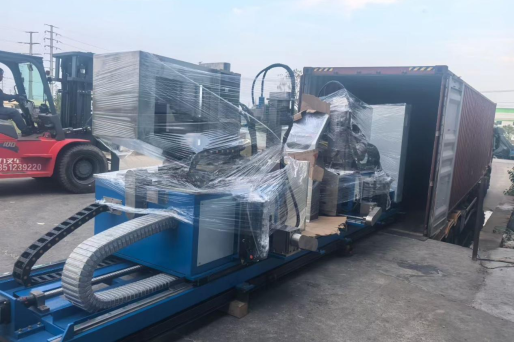
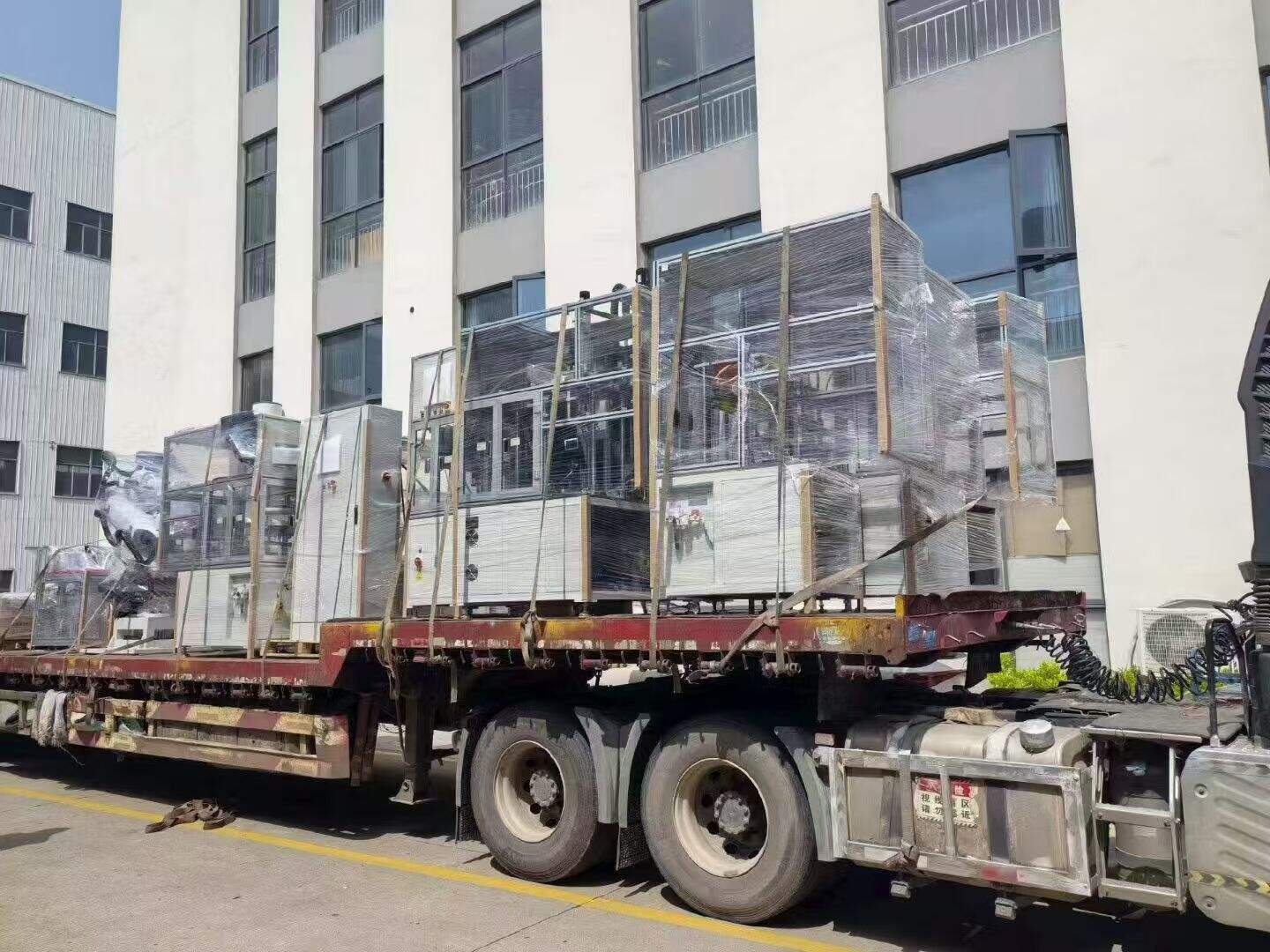
January 15th, 2026 Air Conditioner BLDC Motor Production line Dispatch to India

08

Apr

January 15th, 2026 Air Conditioner BLDC Motor Production line Dispatch to India

View More
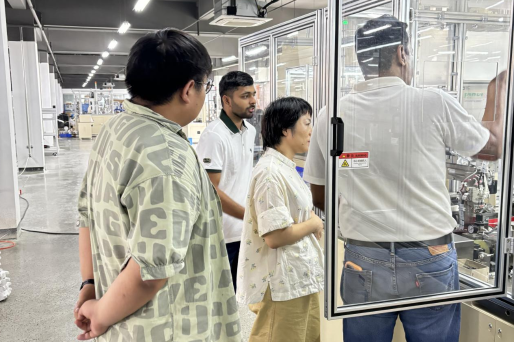
August 30th, 2025, 45W Air conditioner ODU BLDC motor Assembly line Inspection From India customer

08

Apr

August 30th, 2025, 45W Air conditioner ODU BLDC motor Assembly line Inspection From India customer

View More
January 5th , 2026 CNC Coil Forming Machine For High Voltage Motors dispatched to UZ (Uzbekistan)

07

Apr

January 5th , 2026 CNC Coil Forming Machine For High Voltage Motors dispatched to UZ (Uzbekistan)

View More

Get a Free Quote

Our representative will contact you soon.
Email
Name
Mobile/WhatsApp
Company Name
Message
0/1000

industrial motor assembly machine

Precision Engineering That Guarantees Perfect Assembly Every Time

Precision Engineering That Guarantees Perfect Assembly Every Time

The industrial motor assembly machine incorporates advanced precision engineering that ensures every component fits together with exacting accuracy, eliminating the variations that plague manual assembly operations. At the heart of this precision lies a sophisticated array of servo-driven actuators that position components with repeatability measured in micrometers, far exceeding human capabilities. Vision systems integrated into the industrial motor assembly machine perform real-time inspections at multiple stages throughout the assembly process, verifying component presence, orientation, and placement before proceeding to subsequent steps. This multi-layered verification approach catches potential defects immediately rather than discovering problems during final testing or, worse, after products reach customers. Force and torque sensors embedded within the industrial motor assembly machine monitor fastener installation, ensuring that every screw, bolt, and press-fit connection meets engineering specifications without over-tightening that could damage components or under-tightening that might cause premature failures. The precision delivered by an industrial motor assembly machine translates directly into motors that run quieter, last longer, and perform more efficiently because all internal clearances, alignments, and fits match design intentions perfectly. Temperature-controlled environments within the assembly cell maintain dimensional stability of precision components, while vibration-isolated mounting systems prevent external disturbances from affecting assembly accuracy. Automated dispensing systems within the industrial motor assembly machine apply exact quantities of adhesives, sealants, and lubricants, eliminating the guesswork and inconsistency associated with manual application methods. Statistical process control algorithms continuously monitor assembly parameters, automatically adjusting process variables to compensate for minor variations in component dimensions or material properties. This adaptive capability means the industrial motor assembly machine maintains consistent output quality even when working with components at the extremes of their tolerance ranges. Traceability features record detailed data for every assembled motor, creating comprehensive quality documentation that satisfies regulatory requirements and enables rapid root cause analysis if field issues arise. The precision engineering embodied in an industrial motor assembly machine represents a fundamental shift from hoping for quality to engineering quality into every step of the manufacturing process, providing peace of mind that your products will perform as intended throughout their service lives.

Flexible Automation That Adapts to Your Changing Production Needs

Flexible Automation That Adapts to Your Changing Production Needs

Unlike rigid dedicated automation that locks manufacturers into producing a single product configuration, the modern industrial motor assembly machine offers remarkable flexibility that accommodates evolving market demands and product variations. This adaptability stems from intelligent programming architectures that store multiple assembly recipes, allowing operators to switch between different motor models through simple touchscreen selections rather than time-consuming mechanical changeovers. The industrial motor assembly machine achieves this flexibility through modular tooling systems where component-specific fixtures can be exchanged quickly, often in less than fifteen minutes, minimizing production interruptions when transitioning between product variants. Adjustable work holders within the industrial motor assembly machine accommodate different motor frame sizes, while programmable feed systems handle various component geometries without requiring dedicated vibratory bowls or custom feeding mechanisms for each part number. Vision-guided robotics enable the industrial motor assembly machine to recognize different components and adjust handling strategies accordingly, eliminating the need for precise part presentation that traditional automation demands. This vision capability allows the same system to process components with dimensional variations, accommodating multiple suppliers or design revisions without reprogramming. Recipe management features within the industrial motor assembly machine store hundreds of different assembly configurations, including process parameters, quality thresholds, and cycle time expectations for each motor variant in your product portfolio. Scalable architectures mean you can start with a basic industrial motor assembly machine configuration and add capability modules as production volumes grow or product complexity increases, protecting your initial investment while supporting business expansion. The flexibility extends to integration possibilities, as modern industrial motor assembly machine systems communicate through standard industrial protocols, allowing seamless incorporation into existing production lines or connection with upstream component preparation equipment and downstream testing stations. Quick-change end effectors on robotic manipulators within the industrial motor assembly machine enable a single robot to perform multiple operations such as part insertion, fastener driving, and quality inspection, maximizing equipment utilization. Software updates delivered remotely can add new capabilities to your industrial motor assembly machine without hardware modifications, ensuring your automation stays current with emerging manufacturing best practices. This flexibility translates into competitive advantages by enabling rapid response to customer requests for customized specifications, supporting just-in-time manufacturing philosophies, and reducing inventory carrying costs by producing motors in smaller batches matched to actual demand rather than maintaining large finished goods inventories.
Comprehensive Data Integration That Drives Continuous Improvement

Comprehensive Data Integration That Drives Continuous Improvement

The industrial motor assembly machine functions as a sophisticated data collection platform that generates actionable insights for optimizing manufacturing performance and driving quality improvements across your entire operation. Every assembly cycle produces detailed datasets capturing process parameters, component traceability information, quality measurements, and cycle time breakdowns that flow automatically into manufacturing intelligence systems. This data-rich environment transforms the industrial motor assembly machine from a simple production tool into a strategic asset that informs decision-making at multiple organizational levels. Production managers access real-time dashboards showing current output rates, quality trends, and equipment utilization metrics from the industrial motor assembly machine, enabling immediate intervention when performance deviates from targets rather than discovering problems through end-of-shift reports. Quality engineers mine historical data from the industrial motor assembly machine to identify subtle correlations between process variables and defect patterns, supporting root cause analysis and preventive action implementation. Maintenance teams benefit from predictive analytics that monitor wear patterns on critical components within the industrial motor assembly machine, scheduling replacement activities during planned downtime rather than responding to unexpected failures that halt production. The industrial motor assembly machine contributes to enterprise-wide digitalization initiatives by serving as a connected node within broader Industry 4.0 architectures, exchanging information with supply chain management systems, customer relationship platforms, and product lifecycle management databases. Component-level traceability captured by the industrial motor assembly machine creates comprehensive genealogy records linking every motor serial number to specific batches of raw materials, assembly parameters, test results, and operator identifications. This granular traceability proves invaluable when responding to customer complaints or regulatory inquiries, allowing you to precisely identify affected units and demonstrate due diligence in manufacturing controls. Energy monitoring capabilities within the industrial motor assembly machine track power consumption patterns, identifying opportunities for efficiency improvements and supporting corporate sustainability reporting requirements. Benchmark comparisons between multiple industrial motor assembly machine installations within your facility reveal performance differences that guide best practice sharing and standardization efforts. The data generated by an industrial motor assembly machine also supports continuous improvement methodologies by providing objective measurements of process capability, enabling statistical analysis of proposed changes, and documenting the effectiveness of improvement initiatives. Integration with enterprise resource planning systems allows the industrial motor assembly machine to automatically update inventory records as components are consumed and finished goods are produced, improving inventory accuracy and reducing administrative overhead. Remote monitoring capabilities enable equipment suppliers to access performance data from your industrial motor assembly machine, providing proactive technical support and optimizing preventive maintenance schedules based on actual operating conditions rather than generic calendar intervals.

Get a Free Quote

Our representative will contact you soon.
Email
Name
Mobile/WhatsApp
Company Name
Message
0/1000