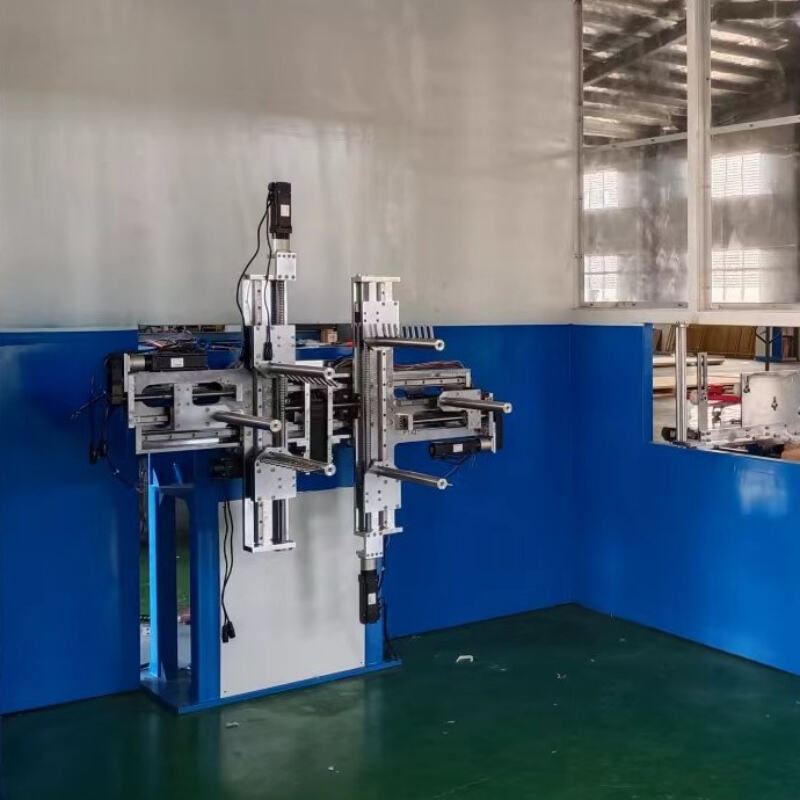
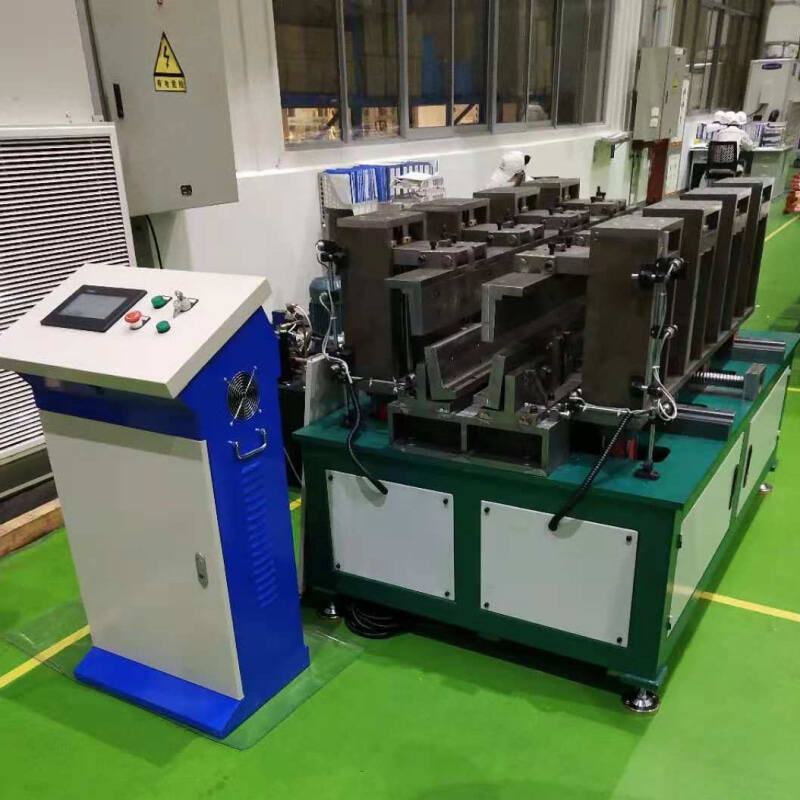
Electric Motor Assembly Machine: Advanced Automated Production Solutions for Manufacturing Excellence

Get a Free Quote

Our representative will contact you soon.
Email
Name
Mobile/WhatsApp
Company Name
Message
0/1000

electric motor assembly machine

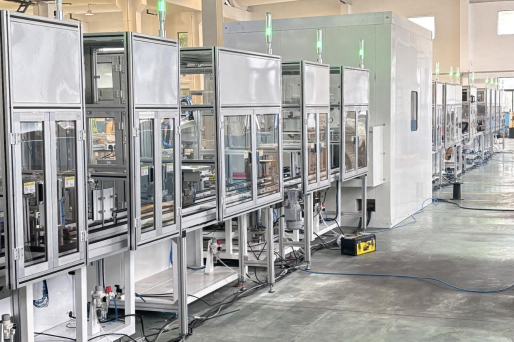
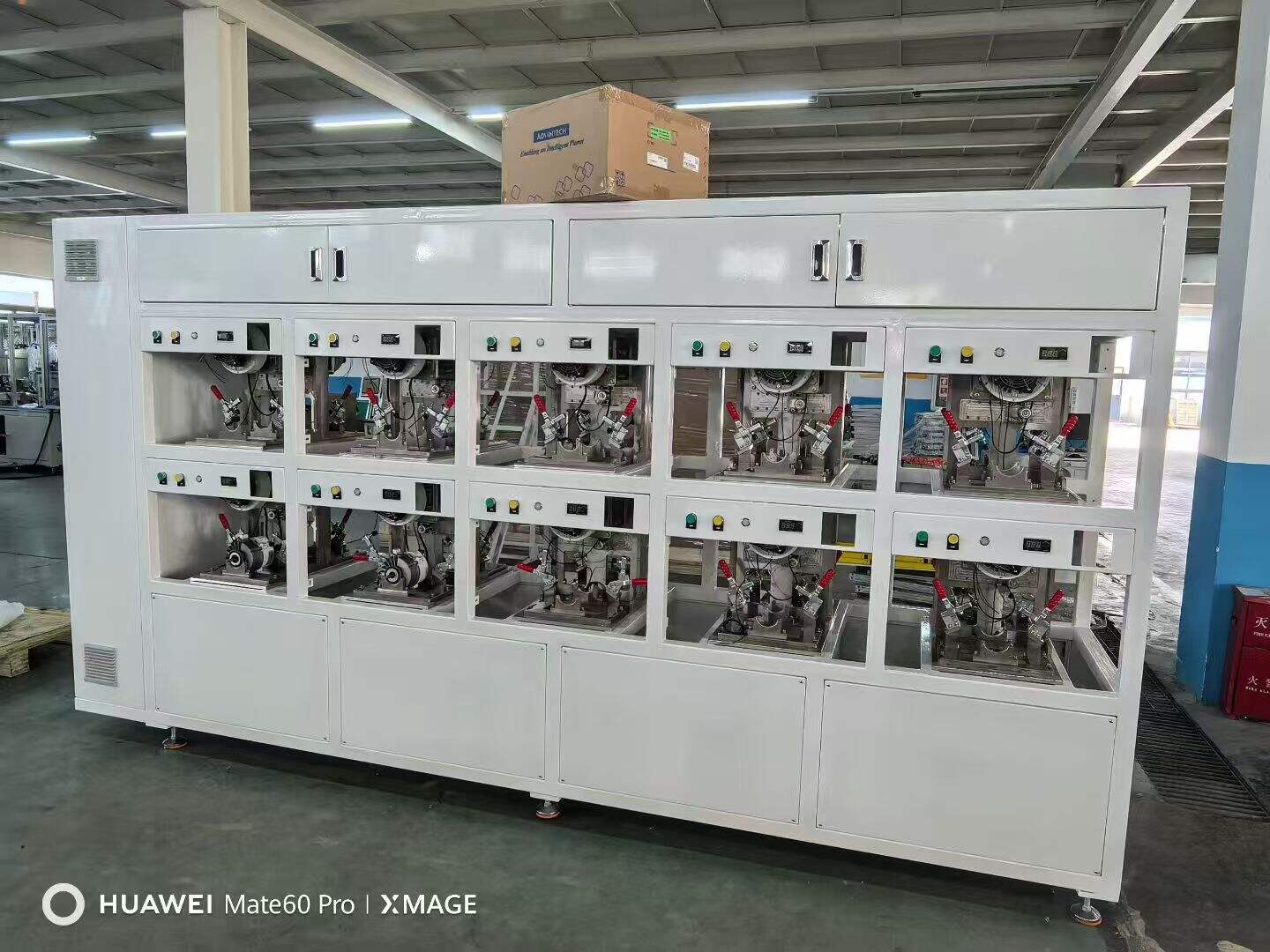
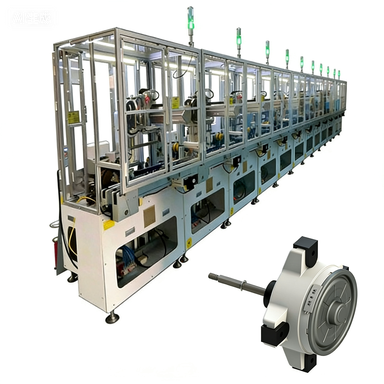
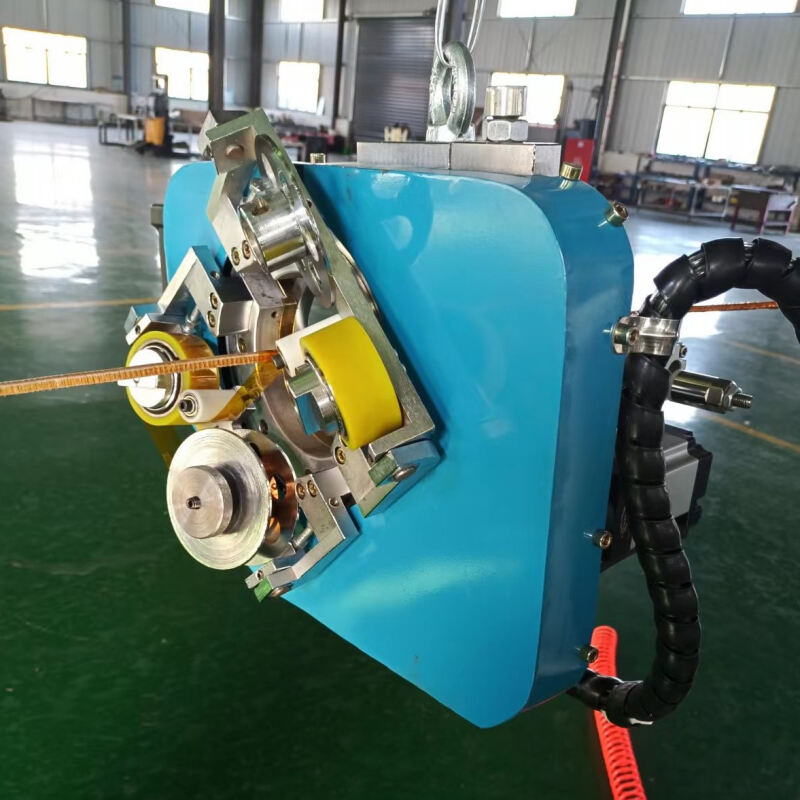
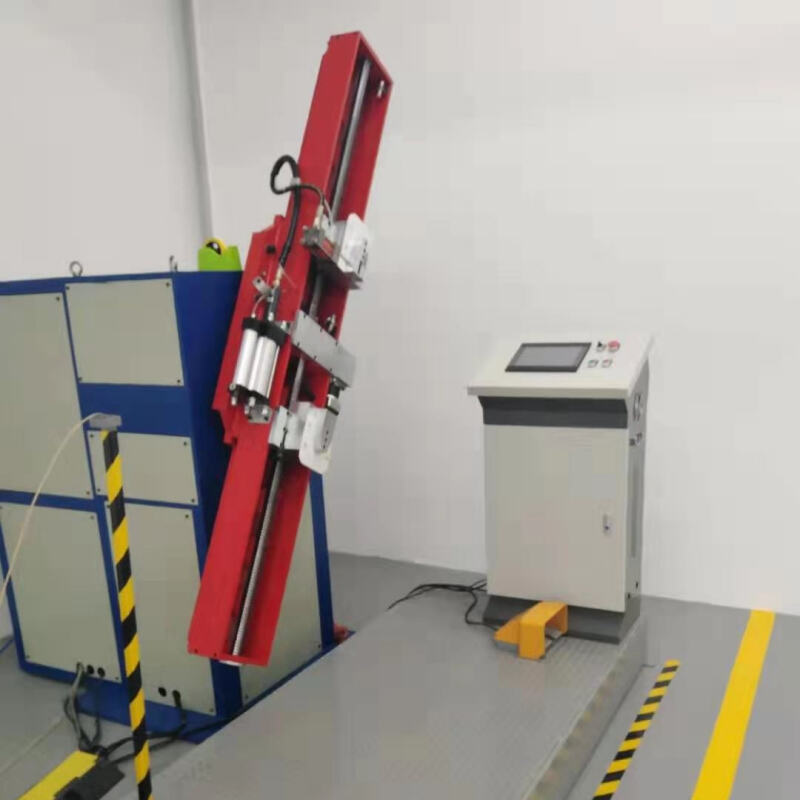
An electric motor assembly machine represents a sophisticated automated manufacturing solution designed to streamline the production process of electric motors across various industries. This advanced equipment integrates multiple assembly stages into a single cohesive system, transforming raw components into fully functional electric motors with remarkable precision and consistency. The machine handles critical tasks including stator insertion, rotor installation, bearing placement, end cap attachment, wire connection, and final testing procedures. Modern electric motor assembly machines incorporate cutting-edge technology such as programmable logic controllers, servo-driven positioning systems, vision inspection cameras, and torque monitoring sensors to ensure every assembled unit meets stringent quality standards. These machines are engineered to accommodate diverse motor types, ranging from small fractional horsepower units used in household appliances to larger industrial motors powering heavy machinery. The flexibility of contemporary electric motor assembly machine designs allows manufacturers to quickly adapt production lines for different motor specifications without extensive downtime. Automation levels vary from semi-automated systems requiring operator interaction to fully autonomous production cells capable of running continuously with minimal human supervision. Key components of these machines include precision feeding systems that orient and deliver parts correctly, robotic arms or mechanical fixtures that position components accurately, automated fastening tools that apply consistent torque, and integrated quality control stations that verify assembly integrity. The control interface typically features user-friendly touchscreen displays that enable operators to monitor production metrics, adjust parameters, and troubleshoot issues efficiently. Safety features are paramount, with emergency stop mechanisms, protective barriers, and interlock systems preventing accidents during operation. The electric motor assembly machine has become indispensable in modern manufacturing environments where production volume, quality consistency, and cost efficiency determine competitive advantage in the marketplace.

New Product Recommendations

Investing in an electric motor assembly machine delivers substantial benefits that directly impact your bottom line and operational efficiency. First and foremost, these machines dramatically increase production speed compared to manual assembly methods, enabling manufacturers to produce significantly more units per shift while maintaining consistent quality standards throughout the entire production run. This enhanced throughput capacity allows businesses to fulfill larger orders, reduce lead times, and respond more quickly to market demands without proportionally increasing labor costs. The precision inherent in automated assembly systems eliminates human error that commonly occurs during repetitive manual tasks, resulting in fewer defective products, reduced warranty claims, and enhanced brand reputation for reliability. Quality consistency becomes a predictable outcome rather than a variable dependent on worker skill levels or fatigue factors. Labor cost reduction represents another compelling advantage, as a single operator can oversee multiple machines or production stages that previously required several workers, allowing companies to reallocate human resources to higher-value activities requiring judgment and problem-solving skills. The electric motor assembly machine also improves workplace safety by removing workers from potentially hazardous tasks involving repetitive motions, heavy lifting, or exposure to moving parts, thereby reducing workplace injuries and associated compensation costs. Flexibility in production represents a significant operational advantage, as modern machines can be reprogrammed or retooled to accommodate different motor designs, allowing manufacturers to diversify their product offerings without major capital investments in entirely new equipment. Data collection capabilities built into these machines provide valuable insights into production efficiency, identifying bottlenecks, tracking quality trends, and enabling continuous improvement initiatives based on objective metrics rather than subjective observations. Energy efficiency in automated assembly typically surpasses manual methods, as machines optimize movement patterns and eliminate unnecessary actions, reducing overall power consumption per assembled unit. The footprint optimization of integrated assembly systems often requires less floor space than equivalent manual assembly stations, maximizing facility utilization and potentially deferring expensive facility expansion projects. Return on investment timelines for electric motor assembly machines have shortened considerably as equipment costs have decreased while labor costs continue rising, making automation financially accessible to mid-sized manufacturers who previously considered it prohibitively expensive. Maintenance requirements, while necessary, are predictable and can be scheduled during planned downtime, unlike unexpected absences or turnover issues that disrupt manual assembly operations. The competitive advantage gained through faster production, consistent quality, and lower per-unit costs enables businesses to either increase profit margins or offer more competitive pricing to capture greater market share in their respective industries.

Latest News

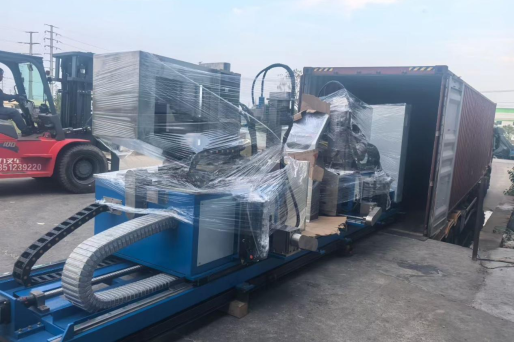
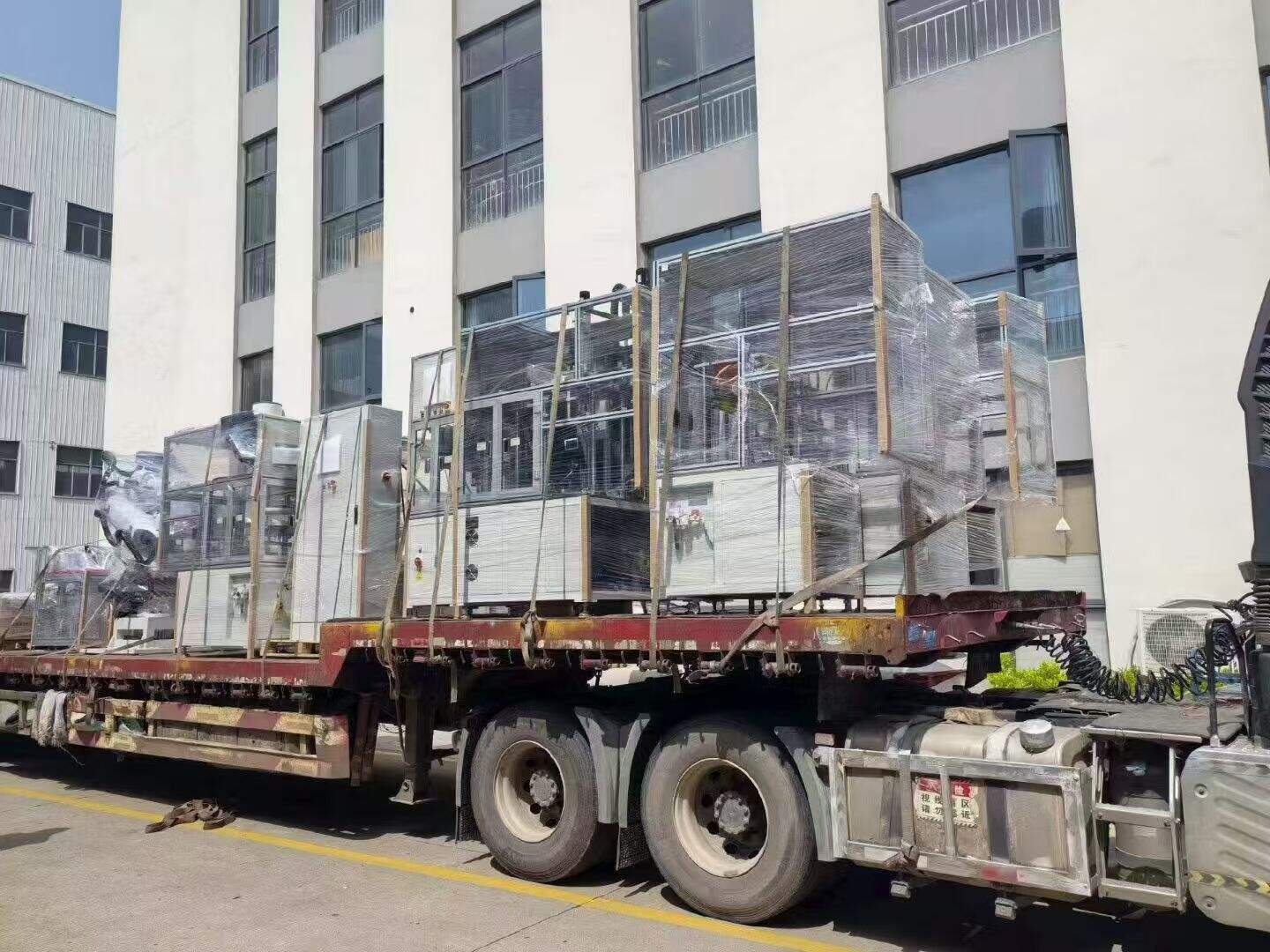
January 15th, 2026 Air Conditioner BLDC Motor Production line Dispatch to India

08

Apr

January 15th, 2026 Air Conditioner BLDC Motor Production line Dispatch to India

View More
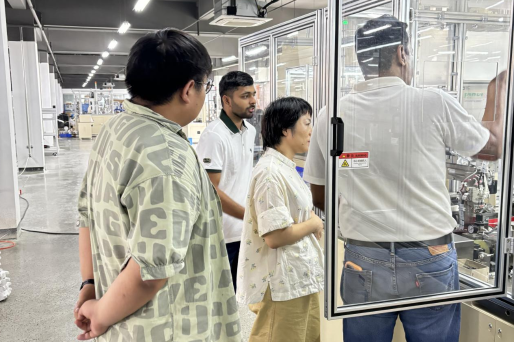
August 30th, 2025, 45W Air conditioner ODU BLDC motor Assembly line Inspection From India customer

08

Apr

August 30th, 2025, 45W Air conditioner ODU BLDC motor Assembly line Inspection From India customer

View More
January 5th , 2026 CNC Coil Forming Machine For High Voltage Motors dispatched to UZ (Uzbekistan)

07

Apr

January 5th , 2026 CNC Coil Forming Machine For High Voltage Motors dispatched to UZ (Uzbekistan)

View More

Get a Free Quote

Our representative will contact you soon.
Email
Name
Mobile/WhatsApp
Company Name
Message
0/1000

electric motor assembly machine

Advanced Precision Engineering and Quality Assurance

Advanced Precision Engineering and Quality Assurance

The electric motor assembly machine incorporates sophisticated precision engineering that fundamentally transforms quality assurance processes in motor manufacturing operations. At the heart of this capability lies an integrated system of sensors, vision systems, and measurement devices that continuously monitor every critical parameter throughout the assembly sequence. High-resolution cameras equipped with advanced image processing algorithms inspect component positioning, verify correct part selection, and detect surface defects or contamination that could compromise motor performance or longevity. These vision systems operate at speeds impossible for human inspectors to match, examining every single unit rather than relying on sampling methods that inevitably allow defective products to reach customers. Torque monitoring sensors embedded within fastening tools ensure that every bolt, screw, and connection receives precisely the correct tightening force, eliminating both under-tightened connections that could fail during operation and over-tightened fasteners that might damage components or create stress points. The machine's servo-controlled positioning systems achieve repeatability measured in microns, ensuring that bearings seat properly, rotors align concentrically with stators, and air gaps maintain specifications that optimize electromagnetic efficiency. This level of precision directly translates to motors that operate more quietly, generate less vibration, consume less energy, and deliver longer service life compared to manually assembled counterparts. The electric motor assembly machine typically includes integrated electrical testing stations that verify winding resistance, insulation integrity, and rotation characteristics before units leave the production line, catching potential failures before they reach customers and avoiding costly field failures or recalls. Documentation capabilities automatically record all measurement data, creating comprehensive traceability records that satisfy quality management system requirements and provide valuable forensic information should any issues arise after delivery. This automated quality assurance approach removes subjective judgment from acceptance decisions, applying consistent standards regardless of time pressures, production quotas, or other factors that might compromise manual inspection rigor. Manufacturers utilizing these machines report defect rates measured in parts per million rather than percentage points, a quality level that opens doors to supplying demanding industries such as automotive, aerospace, and medical equipment where reliability is paramount and supplier qualification requirements are stringent.
Flexible Production Capabilities and Rapid Changeover Systems

Flexible Production Capabilities and Rapid Changeover Systems

Modern electric motor assembly machines excel in providing manufacturers with remarkable production flexibility that addresses the contemporary market reality of increasing product variety and shorter production runs. Unlike dedicated assembly fixtures designed for single motor configurations, these advanced machines incorporate modular tooling systems, adjustable fixtures, and programmable parameters that enable rapid transitions between different motor types, sizes, and specifications. Quick-change component feeders can be swapped in minutes rather than hours, allowing the same production line to manufacture small appliance motors in the morning and industrial pump motors in the afternoon without extensive downtime or specialized technical expertise. Recipe-based programming stored in the machine's control system allows operators to recall complete assembly parameter sets with simple touchscreen selections, automatically adjusting positioning coordinates, fastening torques, testing parameters, and cycle times appropriate for each specific motor design. This flexibility proves invaluable for manufacturers serving diverse market segments or those pursuing customization strategies that differentiate their offerings from competitors locked into high-volume, low-variety production models. The electric motor assembly machine supports lean manufacturing principles by enabling economical small-batch production, reducing inventory carrying costs associated with building large quantities of each motor type to justify setup times required by less flexible equipment. Adjustable work-holding fixtures accommodate dimensional variations between motor families, while intelligent part recognition systems automatically detect which components are being fed and adjust assembly sequences accordingly. This adaptability extends product life cycles by allowing manufacturers to continue producing replacement motors for mature product lines alongside newer designs without maintaining separate dedicated assembly lines for each generation. Engineering changes and product improvements can be implemented quickly through software updates rather than mechanical modifications, accelerating time-to-market for enhanced motor versions and enabling rapid response to customer feedback or regulatory requirement changes. The investment protection offered by flexible assembly systems is substantial, as the same capital equipment continues delivering value across multiple product generations and market shifts that would render dedicated automation obsolete. Manufacturers report that flexible electric motor assembly machines maintain utilization rates above eighty percent compared to fifty percent or lower for inflexible dedicated systems, dramatically improving return on investment calculations and justifying premium equipment costs through superior versatility and longevity in dynamic manufacturing environments.
Comprehensive Data Integration and Production Intelligence

Comprehensive Data Integration and Production Intelligence

The electric motor assembly machine serves as a critical data generation hub within smart manufacturing ecosystems, collecting and analyzing information that drives operational excellence and strategic decision-making throughout organizations. Every assembly cycle produces rich datasets encompassing cycle times, quality measurements, component traceability, maintenance indicators, and process variations that collectively provide unprecedented visibility into production performance. Integration with enterprise resource planning systems enables real-time inventory management, automatically triggering component reorders when stock levels reach predetermined thresholds and preventing production interruptions due to material shortages. Manufacturing execution systems receive continuous production updates, allowing accurate delivery date commitments and proactive customer communication when schedule adjustments become necessary. The electric motor assembly machine generates statistical process control data that reveals subtle trends before they result in out-of-specification products, enabling preventive adjustments that maintain quality rather than reactive sorting that wastes materials and capacity. Predictive maintenance algorithms analyze vibration signatures, power consumption patterns, and cycle count data to forecast component wear and schedule replacements during planned downtime rather than experiencing unexpected breakdowns during critical production runs. This intelligence-driven maintenance approach reduces spare parts inventory requirements while simultaneously improving equipment availability and eliminating emergency repair premiums. Production managers access intuitive dashboards displaying key performance indicators such as overall equipment effectiveness, first-pass yield rates, and throughput trends, facilitating data-driven decisions about capacity allocation, staffing levels, and improvement priorities. Traceability capabilities link every assembled motor to specific component lot numbers, assembly parameters, test results, and operator identifications, supporting rapid root cause analysis when field issues arise and demonstrating due diligence to regulatory authorities and quality auditors. The connectivity inherent in modern electric motor assembly machines supports continuous improvement methodologies by providing objective baseline measurements, quantifying improvement initiative impacts, and highlighting opportunities for further optimization. Remote monitoring capabilities enable equipment manufacturers to provide proactive technical support, diagnose issues without site visits, and implement software enhancements that improve performance throughout the installed base. This data richness transforms manufacturing from an opaque process relying on anecdotal evidence into a transparent, measurable, and continuously optimizing operation that delivers competitive advantages extending far beyond the immediate assembly function itself.

Get a Free Quote

Our representative will contact you soon.
Email
Name
Mobile/WhatsApp
Company Name
Message
0/1000