Industrial Motor Making Machine: Advanced Manufacturing Solutions for Electric Motor Production

Get a Free Quote

Our representative will contact you soon.
Email
Name
Mobile/WhatsApp
Company Name
Message
0/1000

industrial motor making machine

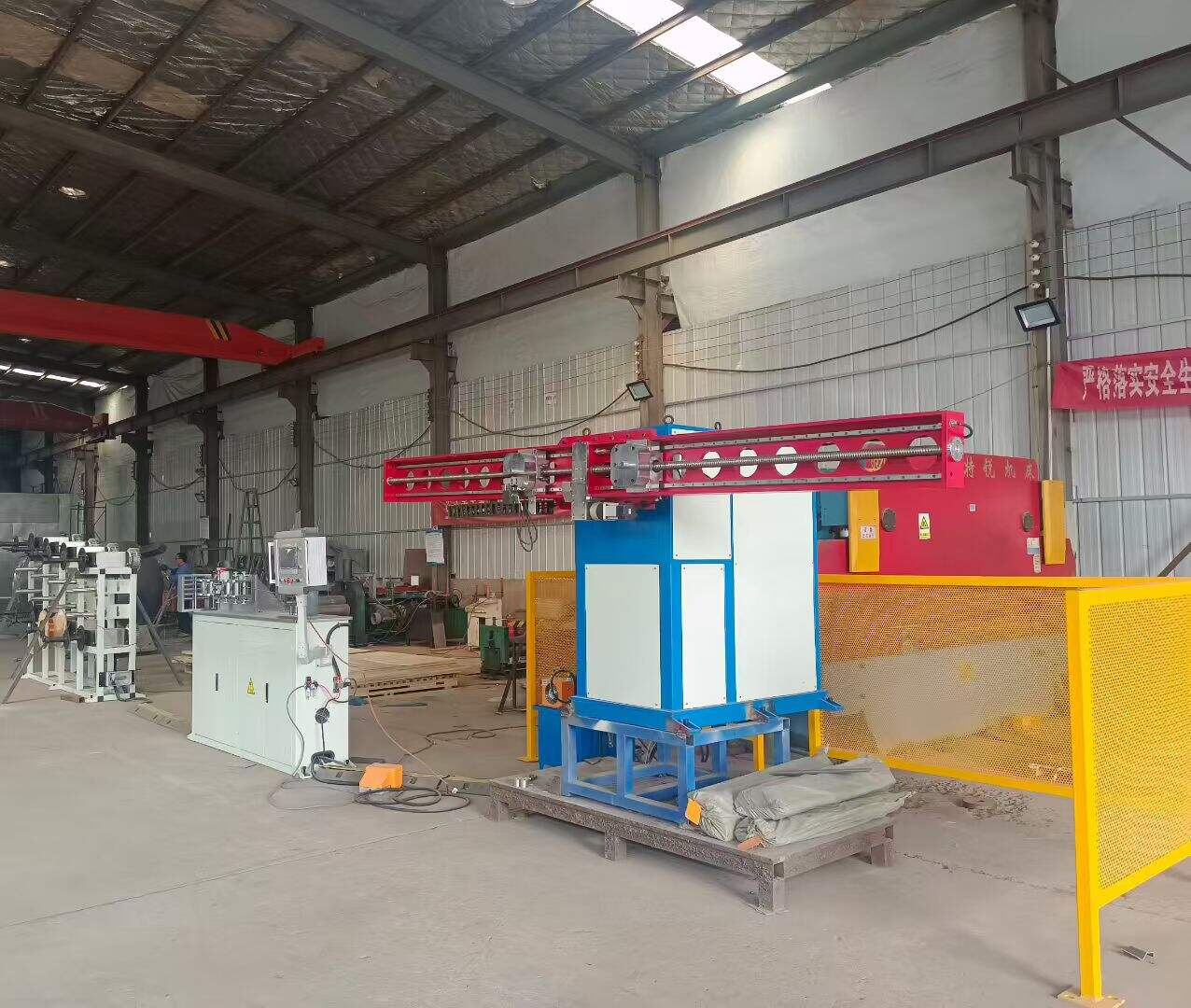
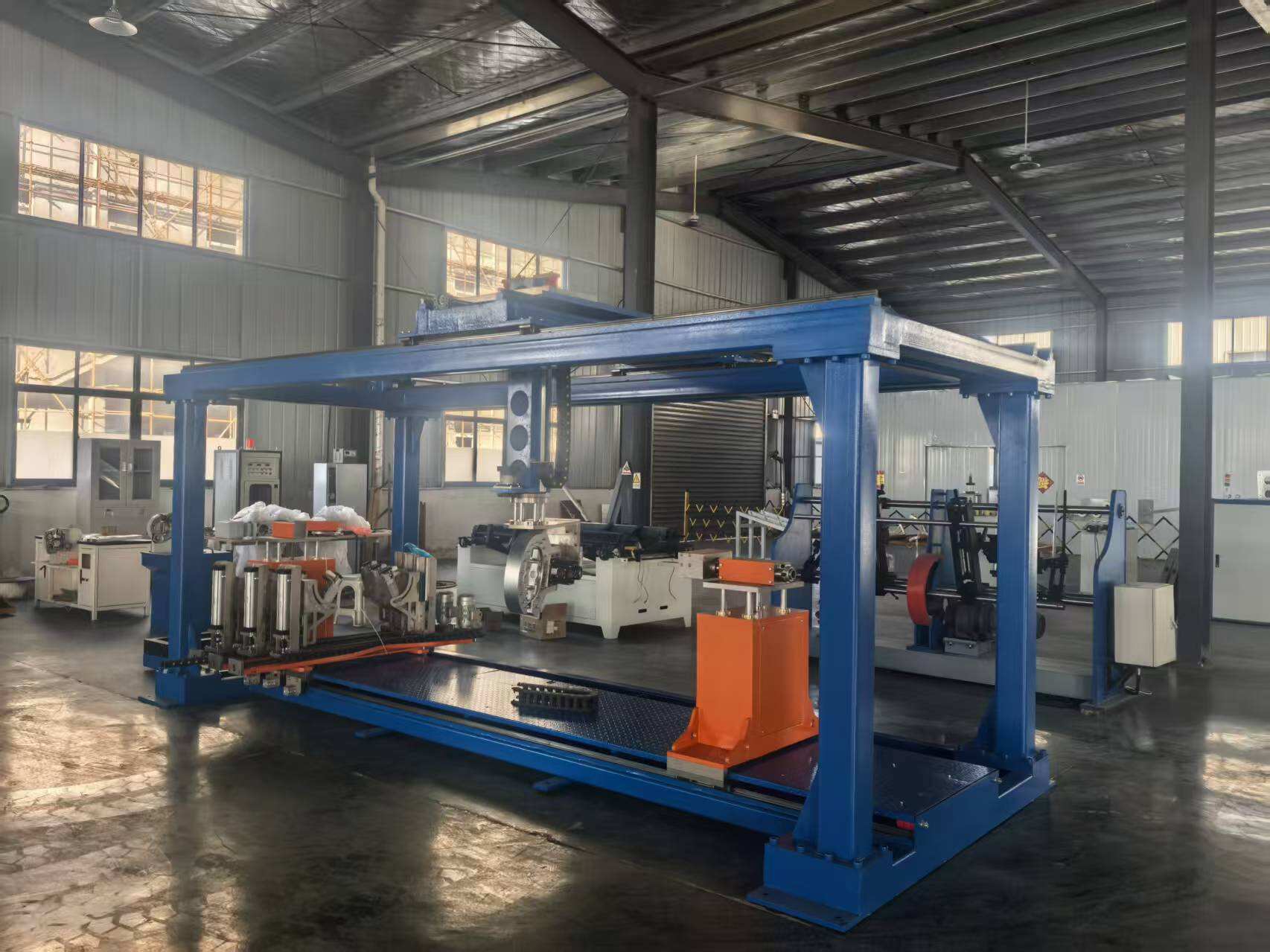
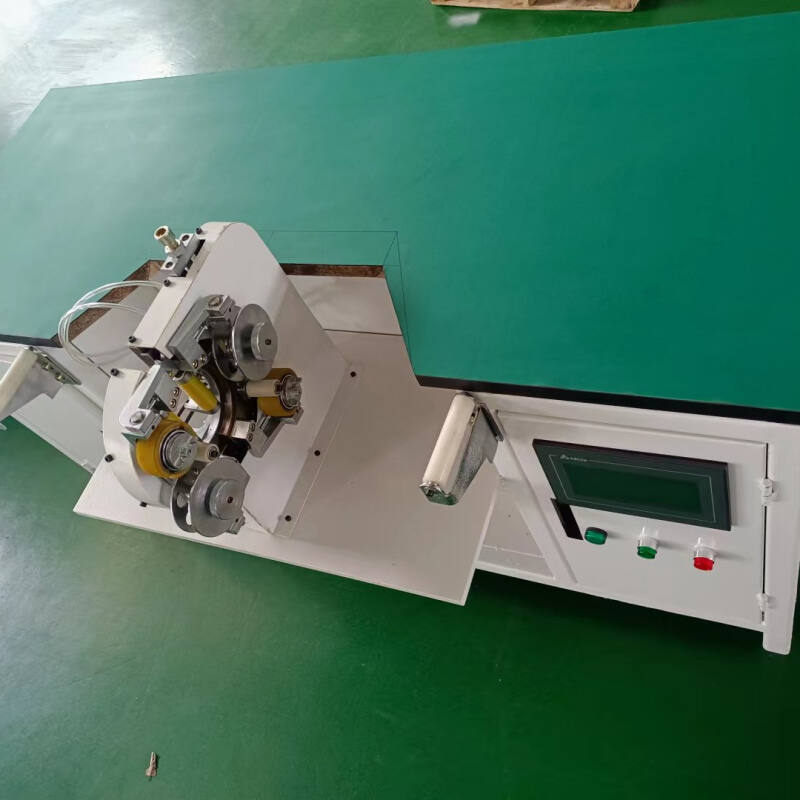
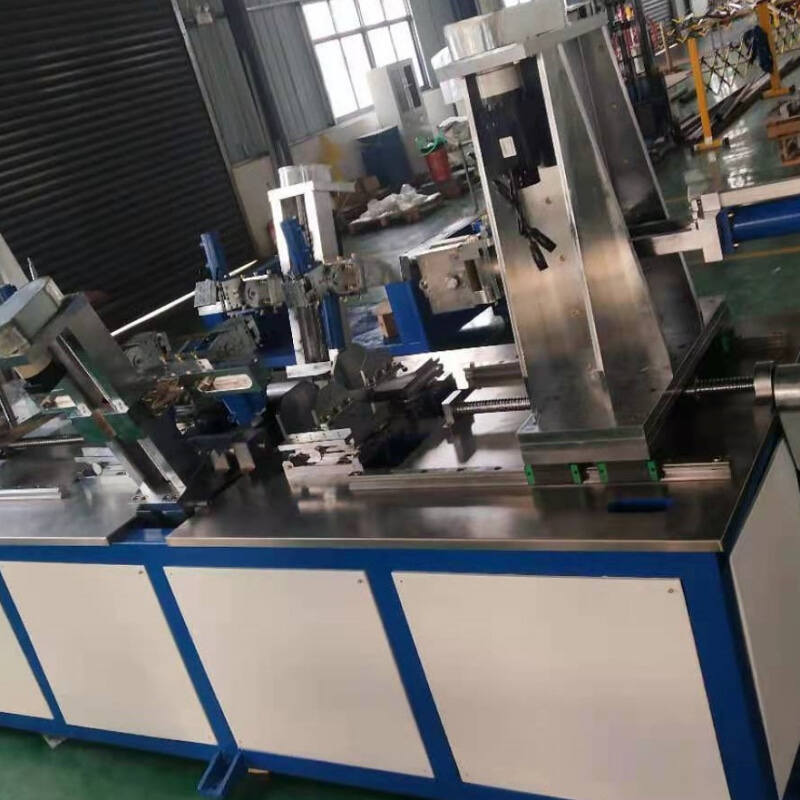
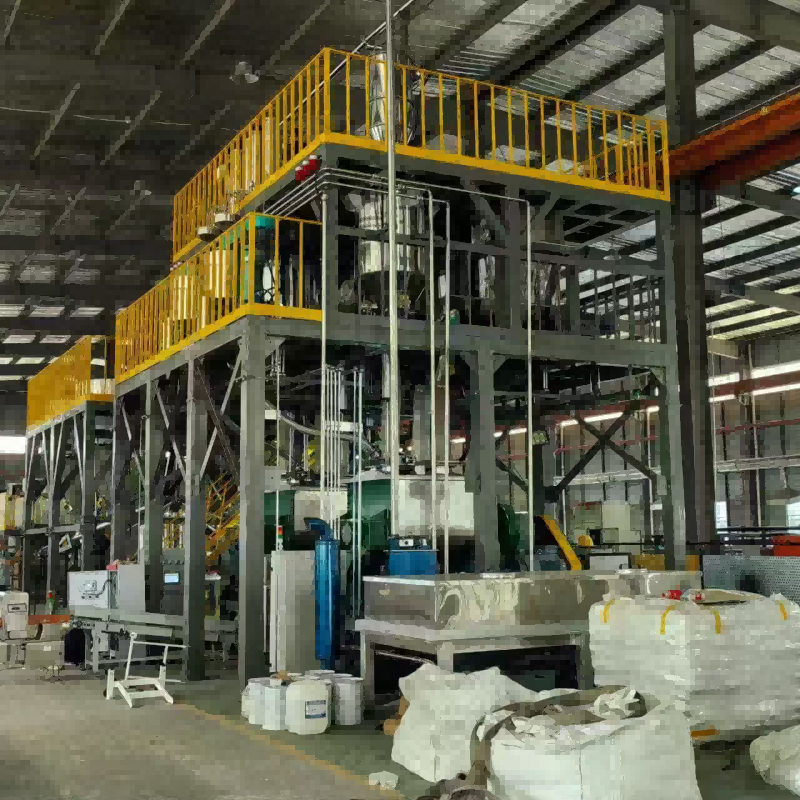
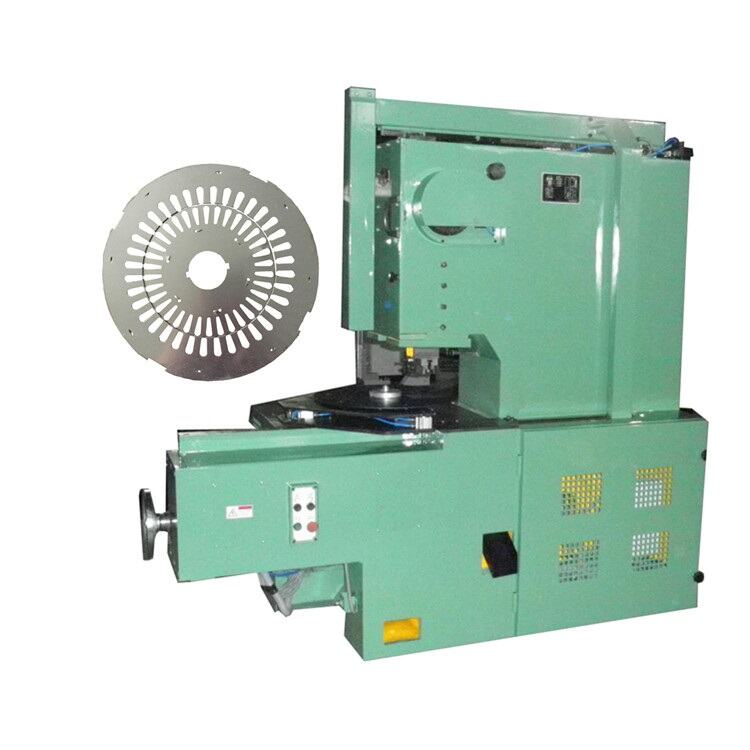
An industrial motor making machine represents a sophisticated manufacturing solution designed to automate and streamline the production of electric motors used across various sectors. This advanced equipment integrates multiple production processes into a cohesive system, enabling manufacturers to produce high-quality motors with precision and consistency. The industrial motor making machine encompasses various specialized components and stations that work together to transform raw materials into finished motor products. These machines handle critical tasks including stator winding, rotor assembly, coil insertion, lamination stacking, and final testing procedures. Modern industrial motor making machines incorporate cutting-edge automation technology, programmable logic controllers, and precision sensors to ensure every motor meets stringent quality standards. The equipment is engineered to accommodate different motor types, ranging from small fractional horsepower units to large industrial-grade motors used in heavy machinery. Production facilities rely on these machines to maintain competitive output levels while reducing labor costs and minimizing human error. The industrial motor making machine features modular design principles, allowing manufacturers to customize configurations based on specific production requirements. Advanced models include integrated quality control systems that monitor critical parameters throughout the manufacturing process, ensuring dimensional accuracy and electrical performance specifications are consistently achieved. These machines support various winding patterns, accommodate different wire gauges, and can be programmed to produce motors with varying specifications without extensive retooling. The industrial motor making machine has become indispensable for manufacturers seeking to scale production capacity while maintaining product quality. Investment in this technology enables businesses to respond quickly to market demands, reduce waste, and improve overall operational efficiency in motor manufacturing operations.

Popular Products

Manufacturing facilities that implement an industrial motor making machine experience substantial improvements in production efficiency and output consistency. The automation capabilities eliminate repetitive manual tasks, allowing operators to focus on supervision and quality assurance rather than performing labor-intensive assembly operations. This shift reduces physical strain on workers while significantly increasing production speed, with modern machines capable of producing hundreds of motors per shift compared to manual methods. The precision engineering built into every industrial motor making machine ensures that each motor component is positioned and assembled with micrometric accuracy, resulting in products that perform reliably and meet exact specifications. This level of consistency is virtually impossible to achieve through manual assembly, where human fatigue and variation inevitably affect quality. Cost savings represent another major advantage, as automated production reduces the need for large assembly teams and minimizes material waste through precise material handling and optimized processes. The industrial motor making machine calculates exact wire lengths, applies consistent tension during winding, and positions components without the trial-and-error approach that characterizes manual methods. Energy efficiency also improves, as these machines operate on optimized cycles that complete tasks in minimal time using calculated power consumption. Quality control becomes more reliable because integrated sensors and monitoring systems continuously verify that production parameters remain within acceptable ranges, immediately flagging any deviations before defective products are completed. This real-time monitoring capability prevents costly production runs of substandard motors that would require rework or scrapping. Flexibility stands out as a crucial benefit, since modern industrial motor making machines can be reprogrammed to accommodate different motor designs, allowing manufacturers to diversify their product offerings without investing in entirely new equipment. The quick changeover capability means production lines can switch between motor types in minutes rather than hours, responding rapidly to customer orders and market opportunities. Training requirements decrease substantially because operators work with user-friendly interfaces rather than mastering complex manual assembly techniques, reducing onboarding time for new employees. Maintenance predictability improves through built-in diagnostic systems that alert operators to potential issues before breakdowns occur, minimizing unexpected downtime and production interruptions. The industrial motor making machine also enhances workplace safety by containing hazardous operations within protective enclosures and automating tasks that previously exposed workers to injury risks.

Tips And Tricks

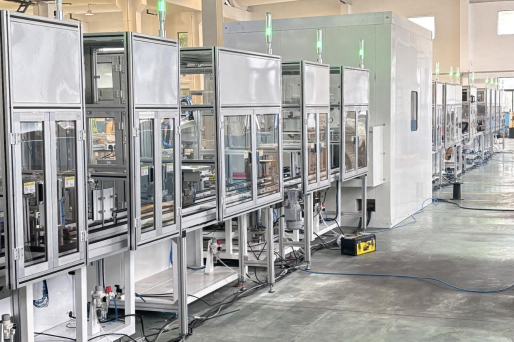
January 15th, 2026 Air Conditioner BLDC Motor Production line Dispatch to India

08

Apr

January 15th, 2026 Air Conditioner BLDC Motor Production line Dispatch to India

View More
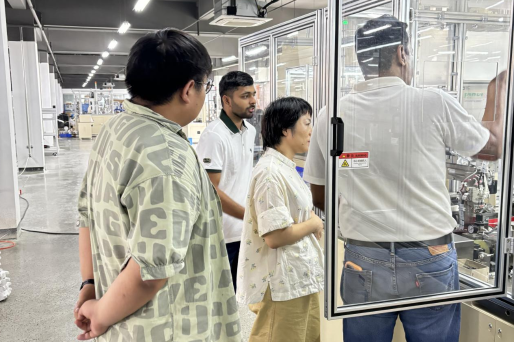
August 30th, 2025, 45W Air conditioner ODU BLDC motor Assembly line Inspection From India customer

08

Apr

August 30th, 2025, 45W Air conditioner ODU BLDC motor Assembly line Inspection From India customer

View More
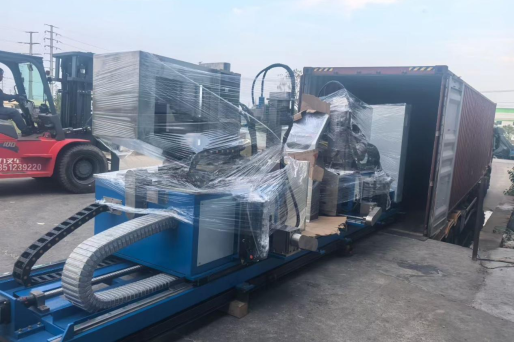
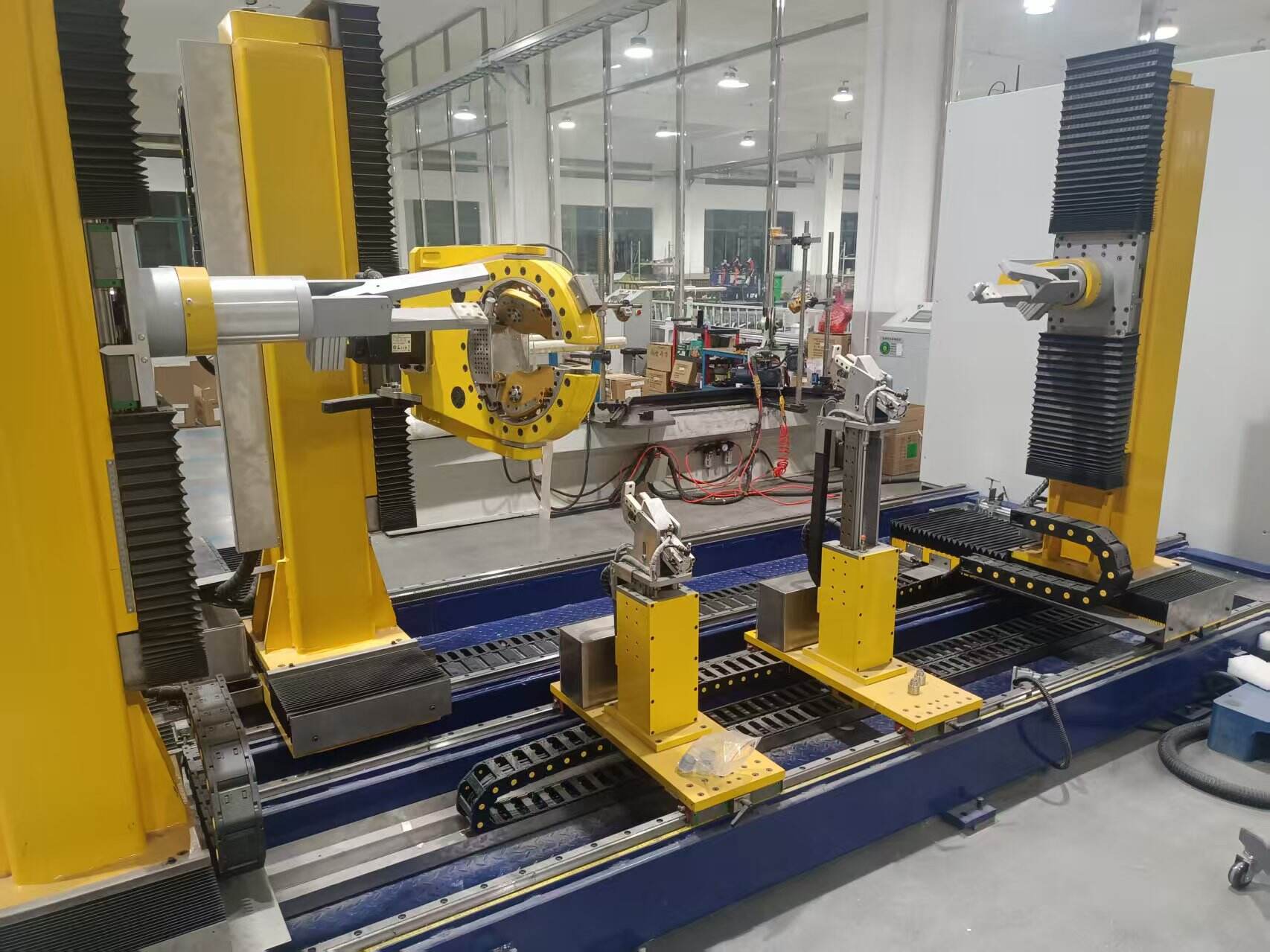
January 5th , 2026 CNC Coil Forming Machine For High Voltage Motors dispatched to UZ (Uzbekistan)

07

Apr

January 5th , 2026 CNC Coil Forming Machine For High Voltage Motors dispatched to UZ (Uzbekistan)

View More

Get a Free Quote

Our representative will contact you soon.
Email
Name
Mobile/WhatsApp
Company Name
Message
0/1000

industrial motor making machine

Precision Automation Technology for Consistent Motor Quality

Precision Automation Technology for Consistent Motor Quality

The industrial motor making machine incorporates advanced precision automation technology that revolutionizes how electric motors are manufactured, delivering unmatched consistency across every production run. At the heart of this capability lies sophisticated servo motor systems that control each movement with micron-level accuracy, ensuring that wire placement, component positioning, and assembly operations occur exactly as programmed. This precision directly translates to motors that perform reliably throughout their service life, with balanced rotors, properly tensioned windings, and correctly aligned components. The automation system uses high-resolution encoders and feedback loops that constantly monitor and adjust operations in real-time, compensating for any variations in materials or environmental conditions. When the industrial motor making machine winds stator coils, it maintains exact wire tension throughout the process, preventing loose windings that could cause premature failure or tight sections that might damage insulation. The automated lamination stacking process ensures that each steel sheet is perfectly aligned, creating a magnetic core with optimal electromagnetic properties and minimal energy losses. Vision systems integrated into the industrial motor making machine verify component placement and detect any anomalies that might compromise quality, rejecting defective units before they proceed to subsequent production stages. This automated inspection capability operates at speeds impossible for human inspectors while maintaining perfect consistency in evaluation criteria. The precision automation extends to adhesive application, where controlled dispensing systems apply exact amounts of bonding agents and insulating materials, eliminating excess that could interfere with motor operation or insufficient coverage that might allow component movement. Temperature and humidity sensors ensure that assembly occurs under optimal environmental conditions, automatically adjusting processes when ambient conditions change. The industrial motor making machine stores production data for every motor, creating comprehensive quality records that support traceability and continuous improvement initiatives. This data-driven approach allows manufacturers to identify trends, optimize parameters, and demonstrate compliance with quality standards to customers and regulatory bodies. The investment in precision automation technology pays dividends through reduced warranty claims, enhanced brand reputation, and the ability to command premium prices for superior products.
Flexible Production Capabilities for Diverse Motor Requirements

Flexible Production Capabilities for Diverse Motor Requirements

Modern industrial motor making machines offer remarkable flexibility that empowers manufacturers to address diverse market demands without maintaining multiple specialized production lines. This adaptability stems from sophisticated programming capabilities and modular tooling systems that accommodate different motor sizes, configurations, and specifications through software changes rather than extensive mechanical modifications. The industrial motor making machine can transition from producing small motors for household appliances to larger units for industrial equipment by adjusting parameters such as winding patterns, wire gauges, lamination dimensions, and assembly sequences. Quick-change tooling systems enable operators to swap fixtures and guides in minutes, minimizing production downtime during product changeovers. This flexibility proves particularly valuable for manufacturers serving multiple market segments or producing custom motors for specialized applications, as it eliminates the need for dedicated equipment for each product variant. The programmable nature of the industrial motor making machine allows engineers to develop and test new motor designs efficiently, creating prototype units and making iterative improvements without the delays associated with manual production methods. Recipe management systems store parameters for different motor types, enabling operators to recall complete production configurations with a few button presses, ensuring consistent results when revisiting previous designs. The industrial motor making machine accommodates various winding techniques including lap winding, wave winding, and concentrated winding patterns, giving designers freedom to optimize motors for specific performance characteristics such as torque density, efficiency, or cost. Material handling systems within the machine adapt to different wire types, from standard copper to specialized conductors like aluminum or rectangular wire, each requiring distinct tension and feeding parameters. The flexibility extends to testing capabilities, with integrated systems that can perform different electrical tests depending on motor specifications, verifying resistance, inductance, insulation integrity, and functional performance. This comprehensive approach ensures that every motor leaving the production line meets its intended specifications regardless of type or application. Manufacturers leveraging this flexible production capability gain significant competitive advantages, including faster response times to customer requests, reduced inventory requirements for finished goods, and the ability to pursue niche markets that competitors with rigid production systems cannot economically serve.
Comprehensive Process Integration for Streamlined Manufacturing

Comprehensive Process Integration for Streamlined Manufacturing

The industrial motor making machine excels through its comprehensive integration of multiple manufacturing processes into a unified production system that eliminates bottlenecks and optimizes workflow efficiency. Traditional motor manufacturing required separate workstations for each operation, with motors moving between lamination stacking, winding, insertion, assembly, and testing areas, creating opportunities for delays, handling damage, and quality inconsistencies. The integrated approach combines these functions within a coordinated system where components flow seamlessly from one operation to the next without manual intervention. This integration begins with automated material feeding systems that supply laminations, wire, bearings, and other components directly to processing stations based on production schedules, eliminating waiting time and reducing inventory on the production floor. The industrial motor making machine coordinates timing between stations to ensure that completed subassemblies arrive exactly when downstream processes are ready to receive them, maximizing equipment utilization and maintaining continuous production flow. Buffer zones within the system accommodate slight variations in cycle times, preventing individual station delays from disrupting overall production. The integrated control system monitors the entire production line, adjusting speeds and priorities to optimize throughput while maintaining quality standards. When the industrial motor making machine detects potential issues such as material shortages or equipment anomalies at one station, it proactively adjusts upstream processes to prevent cascading problems throughout the line. This intelligent coordination extends to maintenance scheduling, with the system planning interventions during natural production gaps to minimize impact on output. Quality data from testing stations feeds back to earlier processes, enabling automatic parameter adjustments that prevent defects rather than simply detecting them after occurrence. The industrial motor making machine generates comprehensive production reports that provide visibility into efficiency metrics, quality trends, and equipment performance, supporting data-driven management decisions. Integration with enterprise resource planning systems enables the machine to receive production orders directly, automatically configuring itself for required motor types and quantities without manual programming. This connectivity extends to supply chain systems, with the machine communicating material consumption rates to procurement functions, ensuring timely replenishment and preventing production interruptions. The comprehensive integration eliminates the coordination challenges that plague multi-station manufacturing environments, reduces space requirements compared to distributed processes, and significantly lowers the total cost of ownership through improved asset utilization and reduced labor requirements.

Get a Free Quote

Our representative will contact you soon.
Email
Name
Mobile/WhatsApp
Company Name
Message
0/1000