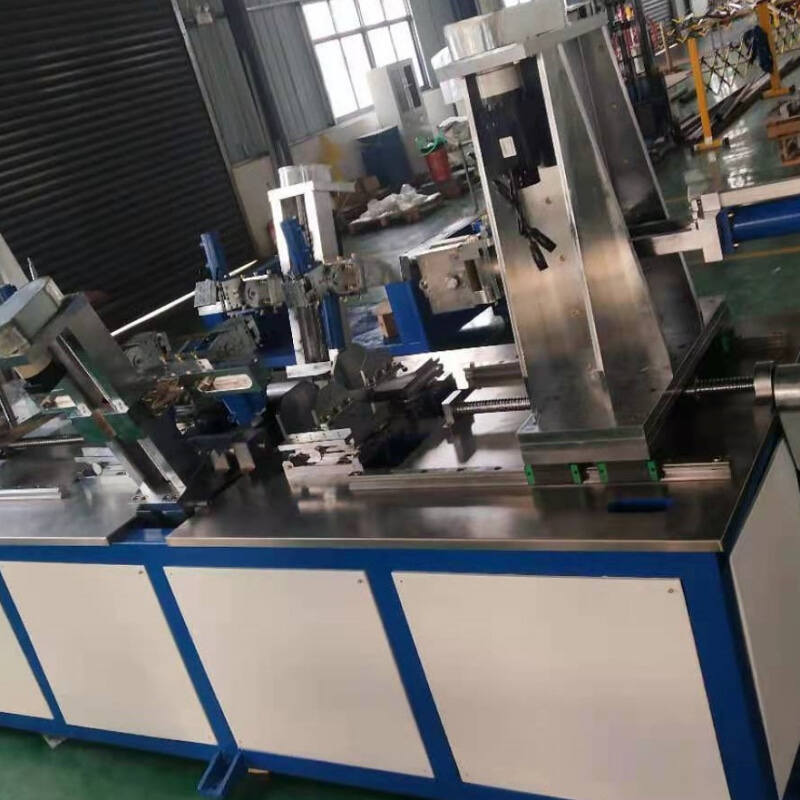
Motor Winding Drying Oven - Professional Industrial Drying Solutions for Electric Motor Manufacturing

Get a Free Quote

Our representative will contact you soon.
Email
Name
Mobile/WhatsApp
Company Name
Message
0/1000

motor winding drying oven

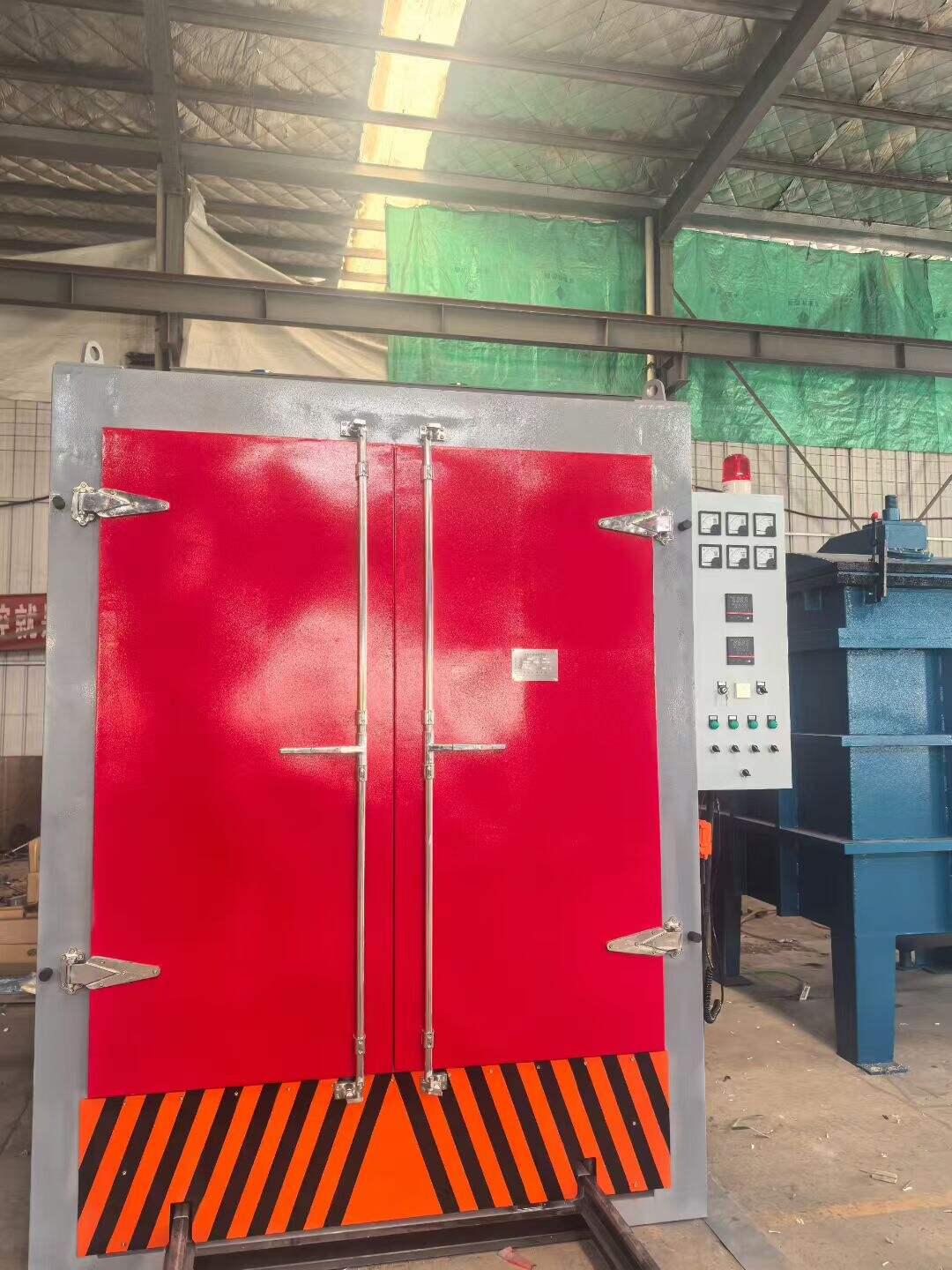
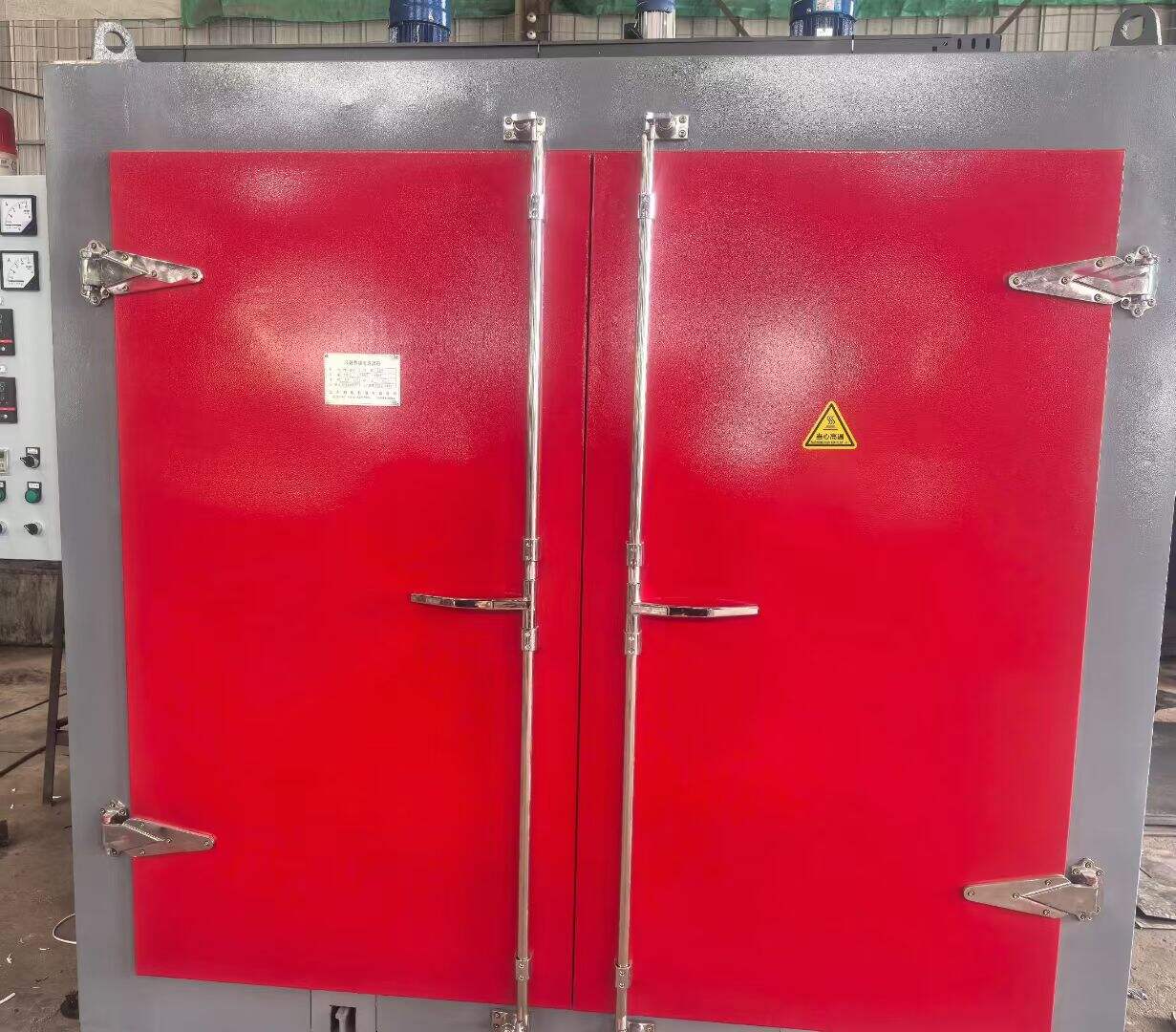
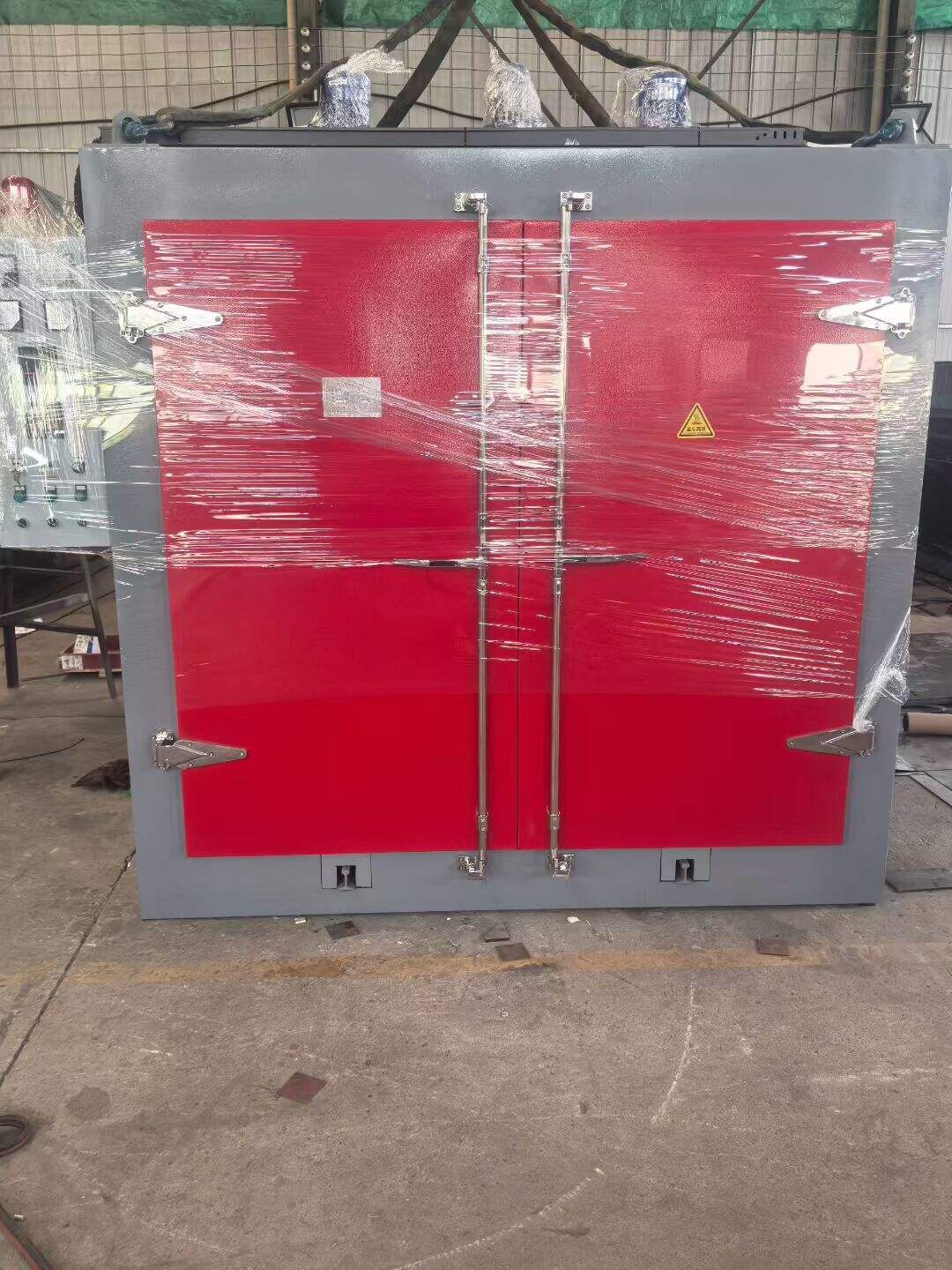
A motor winding drying oven represents specialized industrial equipment designed specifically to remove moisture and volatile substances from motor windings after the impregnation process. This essential thermal processing unit ensures that electric motor coils achieve optimal insulation properties and mechanical strength before final assembly. The motor winding drying oven operates through controlled heating mechanisms that gradually raise internal temperatures to precise levels, allowing trapped moisture and solvents within varnish or resin coatings to evaporate completely without damaging delicate copper windings or insulation materials. Modern motor winding drying ovens incorporate advanced temperature control systems, uniform heat distribution technology, and programmable operation sequences to accommodate various motor sizes and winding configurations. These ovens typically feature insulated chambers constructed from high-grade materials that maintain consistent thermal environments while minimizing energy consumption. The heating elements, whether electric resistance, gas-fired, or infrared, are strategically positioned to ensure even heat penetration throughout the winding mass. Ventilation systems within the motor winding drying oven facilitate the removal of evaporated moisture and fumes, preventing condensation and ensuring a clean drying environment. Temperature sensors and monitoring devices provide real-time feedback to control systems, enabling precise adjustment of heating cycles based on specific motor requirements. The applications of motor winding drying ovens span across diverse manufacturing sectors, including automotive motor production, industrial electric motor manufacturing, transformer fabrication, and generator assembly operations. These ovens prove indispensable in facilities producing small fractional horsepower motors for appliances as well as large industrial motors for heavy machinery. The technological sophistication of contemporary motor winding drying ovens allows manufacturers to achieve consistent quality standards, reduce production cycle times, and extend the operational lifespan of finished motors by ensuring complete curing of insulation systems before motors enter service.

Popular Products

Investing in a quality motor winding drying oven delivers substantial practical benefits that directly impact your production efficiency and product quality. First and foremost, these specialized ovens dramatically reduce moisture-related failures in finished motors by ensuring complete elimination of water content from insulation systems. When moisture remains trapped within motor windings, it creates pathways for electrical leakage, reduces dielectric strength, and accelerates insulation degradation, leading to premature motor failures. By thoroughly drying windings, you protect your reputation and minimize costly warranty claims. The controlled heating environment provided by a motor winding drying oven prevents thermal shock damage that can occur with improper drying methods. Gradual temperature ramping allows insulation materials to cure properly without cracking, bubbling, or delaminating from conductor surfaces. This gentle yet effective approach preserves the mechanical integrity of windings while achieving superior electrical properties. Energy efficiency represents another significant advantage, as modern motor winding drying ovens incorporate insulation technologies and heat recovery systems that minimize operational costs. Compared to older drying methods, contemporary ovens consume substantially less electricity or fuel while delivering faster cycle times. The programmable nature of these ovens eliminates guesswork from the drying process, allowing operators to establish optimal temperature profiles for different motor types and simply repeat proven recipes. This consistency ensures every motor receives identical treatment, reducing variability in final product performance. Time savings become immediately apparent when you implement a motor winding drying oven into your production workflow. Automated temperature control and timed cycles free your workforce from constant monitoring, allowing personnel to focus on other value-added tasks. The ability to process multiple motors simultaneously further multiplies productivity gains. Safety improvements also merit consideration, as enclosed drying chambers contain heat and fumes that might otherwise create hazardous conditions in your facility. Proper ventilation systems integrated into motor winding drying ovens remove potentially harmful vapors from solvents and curing agents, protecting worker health and ensuring compliance with environmental regulations. The versatility of these ovens accommodates various motor sizes and winding types without requiring separate equipment investments. Adjustable racks, removable shelves, and configurable interior spaces allow you to maximize chamber utilization regardless of production mix. Quality documentation capabilities built into advanced motor winding drying ovens provide traceable records of each drying cycle, including temperature curves, duration, and any deviations from programmed parameters. This data proves invaluable for quality assurance purposes and helps identify process improvements over time.

Tips And Tricks

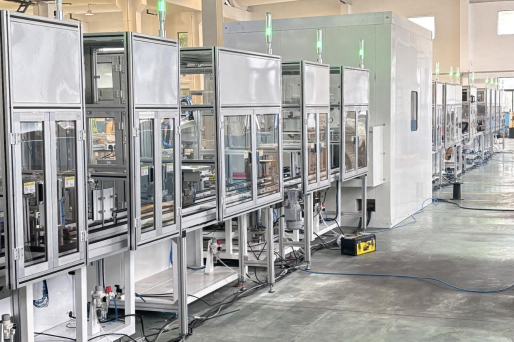
January 15th, 2026 Air Conditioner BLDC Motor Production line Dispatch to India

08

Apr

January 15th, 2026 Air Conditioner BLDC Motor Production line Dispatch to India

View More
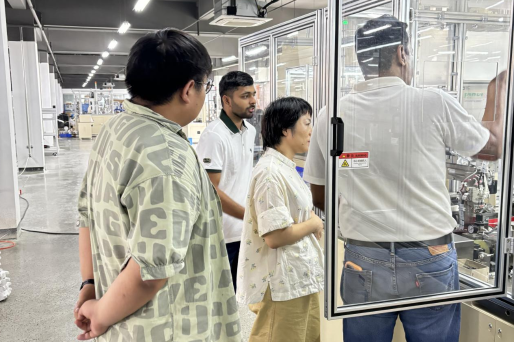
August 30th, 2025, 45W Air conditioner ODU BLDC motor Assembly line Inspection From India customer

08

Apr

August 30th, 2025, 45W Air conditioner ODU BLDC motor Assembly line Inspection From India customer

View More
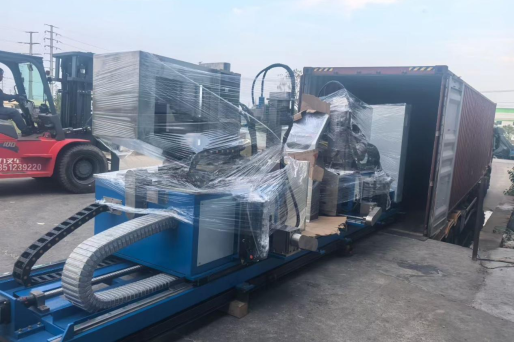
January 5th , 2026 CNC Coil Forming Machine For High Voltage Motors dispatched to UZ (Uzbekistan)

07

Apr

January 5th , 2026 CNC Coil Forming Machine For High Voltage Motors dispatched to UZ (Uzbekistan)

View More

Get a Free Quote

Our representative will contact you soon.
Email
Name
Mobile/WhatsApp
Company Name
Message
0/1000

motor winding drying oven

Precision Temperature Control Technology

Precision Temperature Control Technology

The precision temperature control technology integrated into modern motor winding drying ovens stands as perhaps the most critical feature distinguishing professional equipment from makeshift alternatives. This sophisticated control capability directly determines the quality and consistency of your dried motor windings, making it worthy of detailed examination. At the heart of this technology lies a multi-zone temperature management system that monitors and adjusts heat levels throughout the oven chamber with remarkable accuracy. Unlike simple thermostatic controls that merely cycle heating elements on and off based on a single temperature reading, advanced motor winding drying ovens employ proportional-integral-derivative controllers that continuously modulate power delivery to maintain setpoints within extremely tight tolerances, often plus or minus one degree Celsius. This precision matters tremendously because different insulation materials and impregnating compounds require specific temperature profiles to cure properly without degradation. Epoxy resins, polyester varnishes, and silicone-based insulation systems each have optimal curing temperatures and durations that must be respected to achieve maximum performance characteristics. The programmable logic controllers found in quality motor winding drying ovens allow you to create and store multiple temperature recipes, each tailored to specific motor types in your production lineup. These programs can incorporate multiple heating stages, including initial warm-up ramps, sustained holding periods at elevated temperatures, and controlled cooldown phases that prevent thermal stress. The value this brings to your operation extends beyond simple convenience. Temperature uniformity throughout the drying chamber ensures that motors positioned in different locations receive identical thermal treatment, eliminating quality variations based on placement. Strategic sensor positioning and sophisticated algorithms compensate for natural heat stratification and cold spots that would otherwise create inconsistent results. Furthermore, the data logging capabilities accompanying precision temperature control provide complete documentation of every drying cycle, creating quality records that satisfy stringent industry standards and customer audit requirements. When process parameters deviate from programmed values, alarm systems immediately alert operators to potential issues before entire batches become compromised. This proactive approach to quality management reduces scrap rates and rework expenses significantly. The return on investment from precision temperature control becomes apparent quickly as your motor failure rates decline and customer satisfaction improves.
Enhanced Energy Efficiency and Operating Economy

Enhanced Energy Efficiency and Operating Economy

Enhanced energy efficiency represents a compelling advantage of contemporary motor winding drying ovens that delivers ongoing financial benefits throughout the equipment's operational lifetime. Understanding the mechanisms behind these efficiency gains helps illustrate why upgrading to modern drying technology makes sound business sense. Traditional drying methods often relied on excessive heat applied for extended periods, wasting energy while potentially damaging sensitive insulation materials. In contrast, today's motor winding drying ovens incorporate multiple design features specifically engineered to minimize energy consumption while optimizing drying effectiveness. High-performance insulation materials in chamber walls, doors, and roof sections dramatically reduce heat loss to the surrounding environment, keeping thermal energy where it belongs and lowering the power required to maintain target temperatures. Some advanced models feature vacuum-jacketed panels or multi-layer insulation systems that approach thermos-bottle efficiency levels. The heating elements themselves have evolved considerably, with options including high-efficiency electric resistance heaters, recuperative gas burners that capture waste heat from exhaust gases, and infrared emitters that transfer energy directly to workpieces without unnecessarily heating air. Each technology offers specific advantages depending on your facility's energy infrastructure and cost structure. Intelligent control systems further enhance efficiency by implementing adaptive heating strategies that respond to actual chamber conditions rather than blindly following fixed programs. If sensors detect that moisture removal is progressing faster than anticipated, the system can shorten cycle times accordingly, saving energy without compromising results. Heat recovery systems integrated into some motor winding drying ovens capture thermal energy from exhaust air streams and redirect it to preheat incoming fresh air or serve other facility heating needs, effectively recycling energy that would otherwise be wasted. The cumulative impact of these efficiency features translates into substantially lower utility bills compared to older equipment or improvised drying setups. When calculating total cost of ownership, the energy savings alone often justify the investment in a quality motor winding drying oven within a few years of operation. Beyond direct energy costs, efficiency improvements reduce your facility's environmental footprint, an increasingly important consideration as industries face growing pressure to minimize carbon emissions and demonstrate environmental stewardship. Some regions offer tax incentives, rebates, or preferential financing for energy-efficient industrial equipment, creating additional financial advantages. The operational economy extends to maintenance requirements as well, since well-designed motor winding drying ovens feature durable construction and quality components that deliver years of reliable service with minimal upkeep expenses.
Versatile Configuration and Production Flexibility

Versatile Configuration and Production Flexibility

Versatile configuration options and production flexibility distinguish professional motor winding drying ovens from single-purpose equipment, providing manufacturers with adaptability to meet changing production demands and diverse product requirements. This versatility delivers tangible value by maximizing equipment utilization and eliminating the need for multiple specialized units. The fundamental design of quality motor winding drying ovens accommodates wide-ranging motor sizes and configurations through thoughtful interior layout planning. Adjustable rack systems allow you to customize vertical spacing based on the height of motors being processed, enabling efficient use of chamber volume whether you're drying compact appliance motors or substantial industrial units. Removable shelving and support structures provide ultimate flexibility, permitting you to reconfigure the interior completely when production requirements shift. Some motor winding drying ovens offer modular construction with expandable chambers that can grow alongside your business, protecting your initial investment while providing a clear upgrade path as production volumes increase. This scalability proves particularly valuable for growing manufacturers who need industrial-grade capabilities but must manage capital expenditures carefully. The ability to process mixed batches represents another dimension of versatility that enhances operational efficiency. Rather than waiting to accumulate enough identical motors to fill the oven, you can combine different types in a single drying cycle by programming multi-stage temperature profiles that satisfy each product's requirements sequentially. Advanced control systems make this complexity manageable through intuitive interfaces that simplify program creation and modification. Loading configurations adapt to your specific workflow, with options including front-loading designs for convenient floor-level access, top-loading arrangements that conserve floor space, or pass-through models that integrate seamlessly into continuous production lines. Door designs range from single-panel hinged styles for smaller units to bi-parting or vertical-lifting configurations on larger motor winding drying ovens, each optimized for specific operational contexts. Airflow patterns within the chamber can often be adjusted to suit particular drying challenges, with some ovens offering selectable horizontal or vertical circulation modes. This control over air movement ensures optimal moisture removal regardless of winding geometry or mass. The versatility extends to utility requirements as well, with many manufacturers offering motor winding drying ovens configured for various power supplies, voltage levels, and fuel types to match your facility's existing infrastructure. This flexibility eliminates costly utility upgrades that might otherwise be necessary when installing new equipment. Integration capabilities with existing production management systems, quality tracking software, and facility automation platforms ensure that your motor winding drying oven functions as a connected component of your overall manufacturing ecosystem rather than an isolated workstation.

Get a Free Quote

Our representative will contact you soon.
Email
Name
Mobile/WhatsApp
Company Name
Message
0/1000