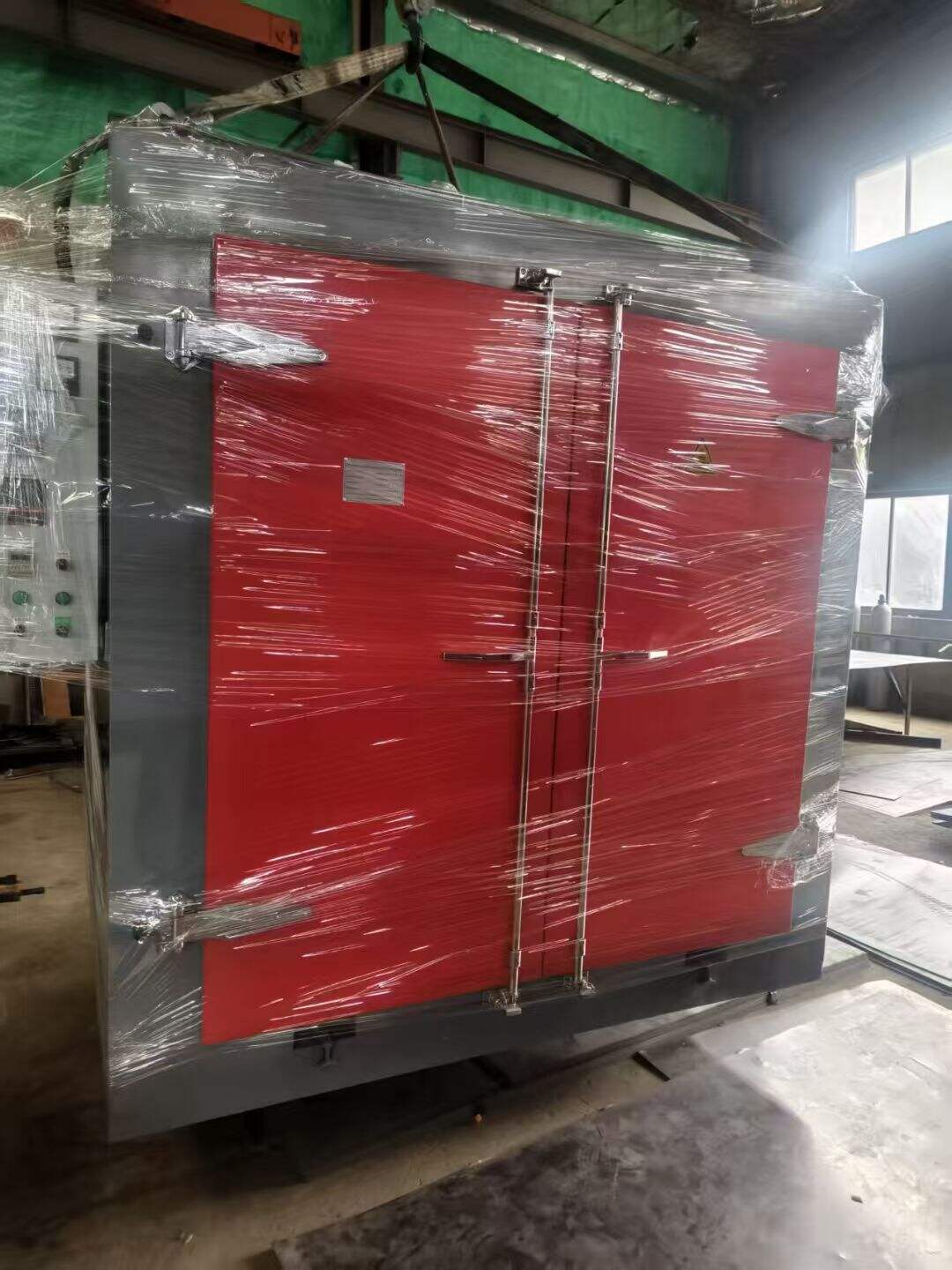
transformer drying oven
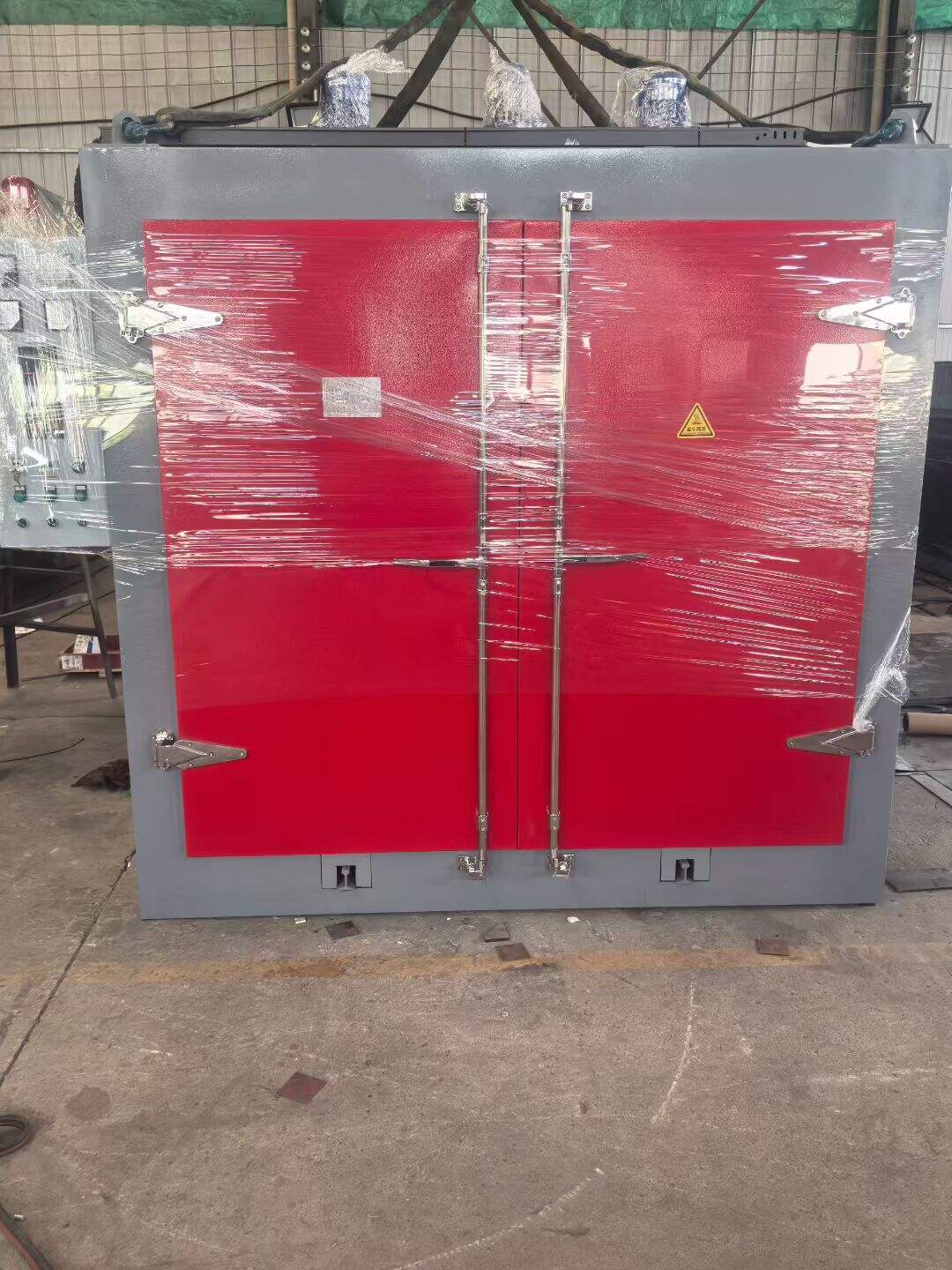
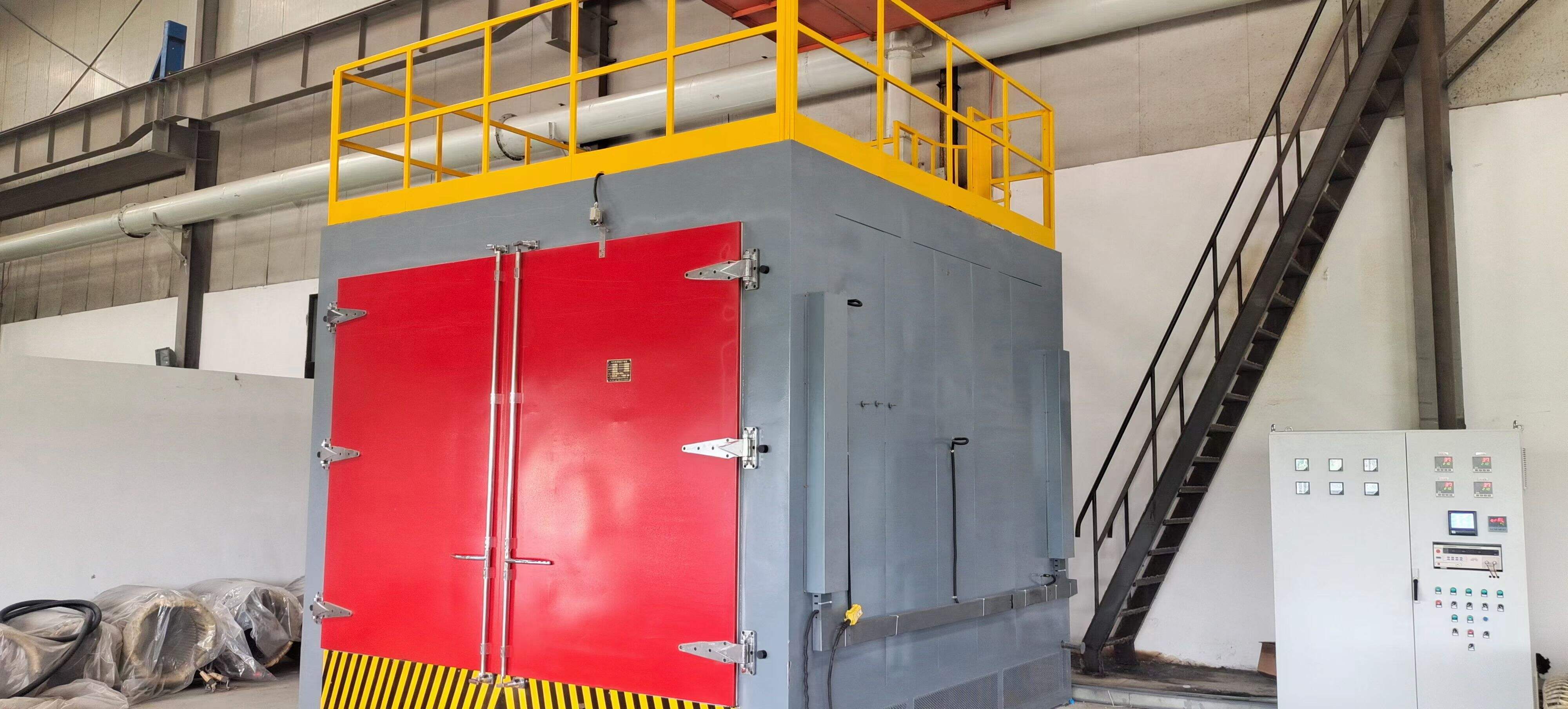
A transformer drying oven represents essential equipment designed specifically for removing moisture from electrical transformers and their components before installation or after maintenance procedures. This specialized industrial heating system operates through controlled temperature environments that effectively eliminate water content from transformer windings, insulation materials, and core assemblies. The transformer drying oven utilizes advanced heating technology to create uniform temperature distribution throughout the chamber, ensuring thorough moisture removal without damaging sensitive electrical components. Modern transformer drying ovens incorporate sophisticated temperature control systems, humidity monitoring devices, and programmable automation features that enable precise regulation of the drying process. These ovens come in various sizes and configurations to accommodate different transformer types, from small distribution transformers to large power transformers weighing several tons. The main functions include moisture extraction, insulation resistance restoration, and preparation of transformer components for oil impregnation processes. Technological features encompass digital temperature controllers, forced air circulation systems, heat-resistant insulation panels, and safety interlocks that prevent operational errors. The equipment typically operates within temperature ranges of 80 to 120 degrees Celsius, though some specialized models can reach higher temperatures for specific applications. Applications span across electrical utilities, transformer manufacturing facilities, power plant maintenance departments, and industrial electrical repair workshops. The transformer drying oven plays a critical role in extending transformer service life, improving operational reliability, and preventing premature equipment failures caused by moisture contamination. Industries including power generation, transmission and distribution, renewable energy, transportation, and heavy manufacturing rely on this equipment to maintain their electrical infrastructure. The drying process typically involves gradual heating cycles, stabilization periods, and controlled cooling phases to achieve optimal results while preserving component integrity and dielectric properties of insulation materials.
 ×


 EN