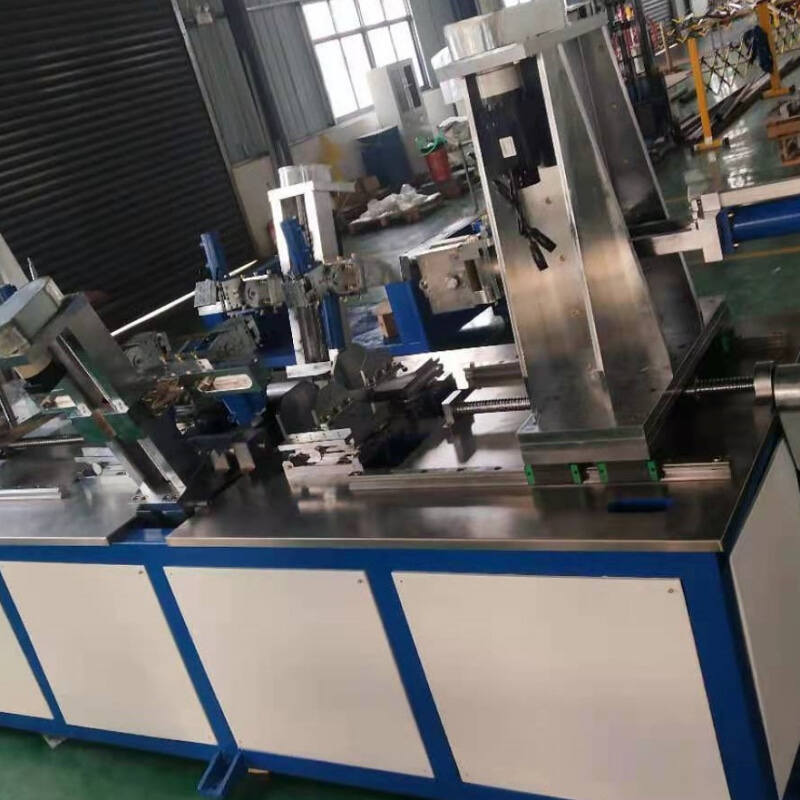
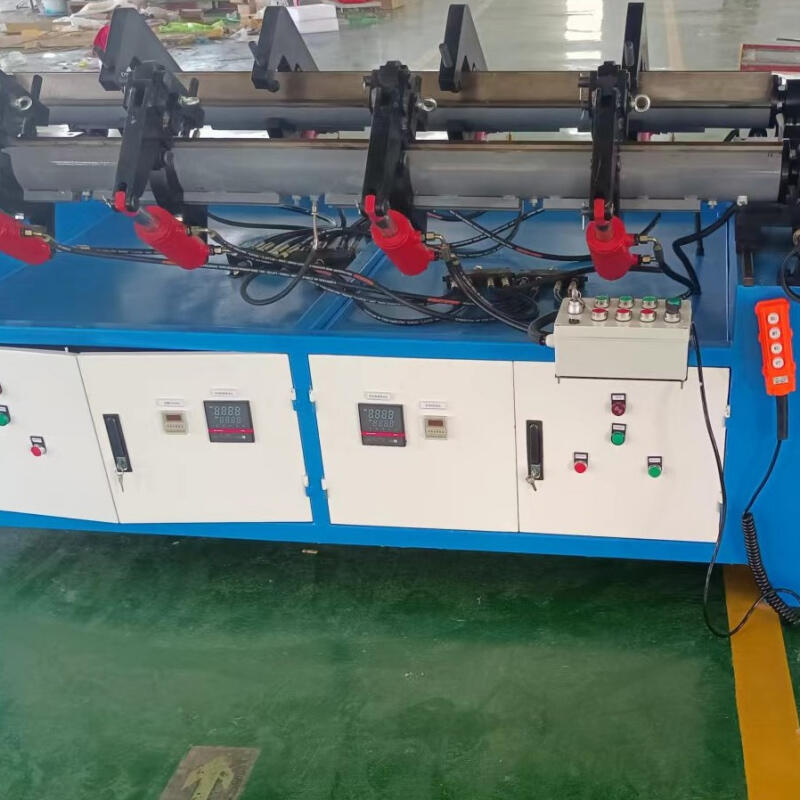
Auto Transformer Winding Machine - Precision Automated Coil Winding Solutions for Transformer Manufacturing

Get a Free Quote

Our representative will contact you soon.
Email
Name
Mobile/WhatsApp
Company Name
Message
0/1000

auto transformer winding machine

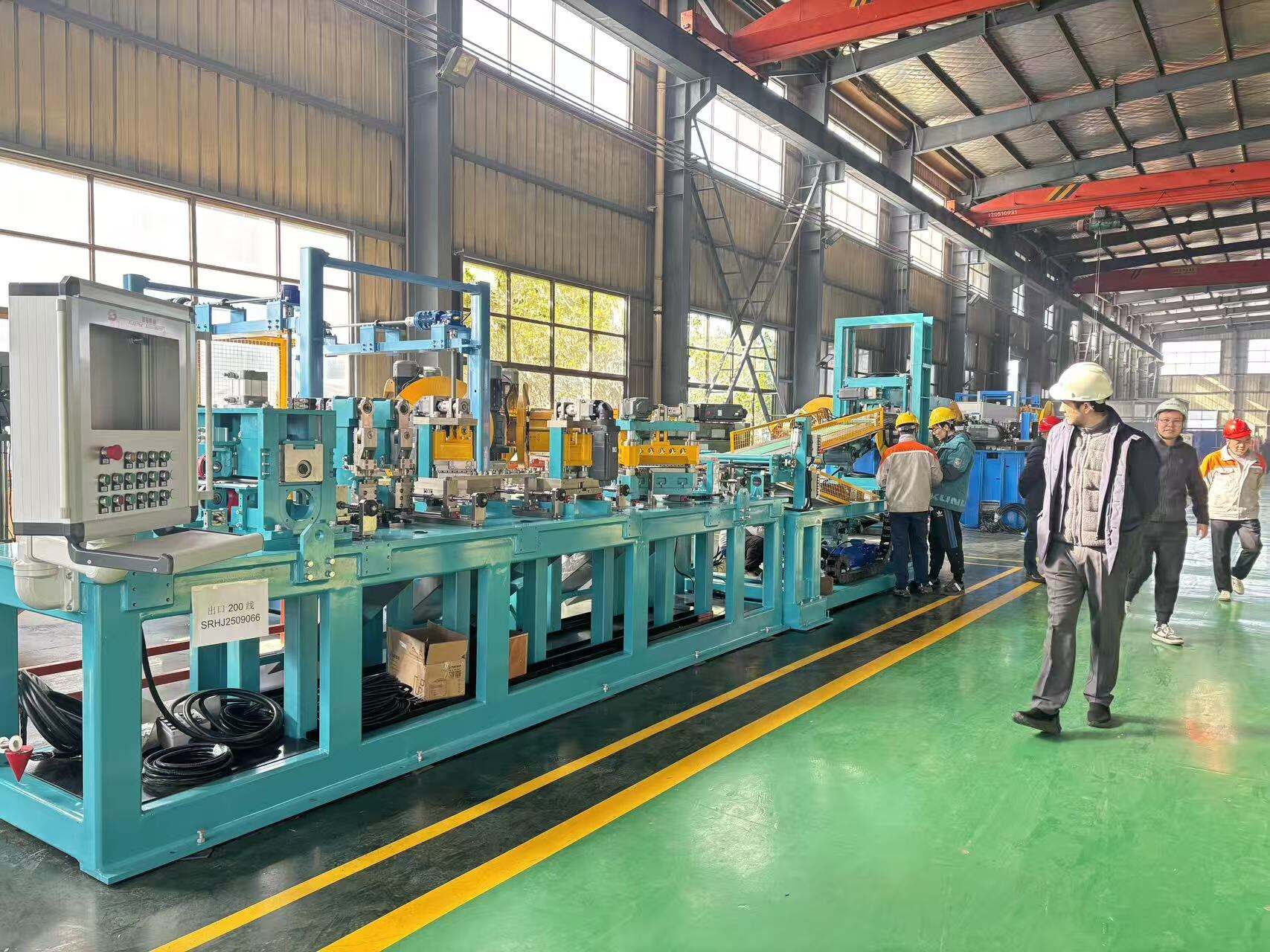
An auto transformer winding machine represents a specialized piece of manufacturing equipment designed to automate the precise winding of copper or aluminum wire onto transformer cores. This sophisticated machinery has revolutionized transformer production by replacing labor-intensive manual winding processes with computer-controlled precision systems. The auto transformer winding machine integrates advanced mechanical components with intelligent software controls to create consistent, high-quality transformer coils that meet exact specifications every time. At its core, this equipment performs the fundamental task of wrapping conductive wire around magnetic cores in predetermined patterns and layer configurations. The machine maintains precise tension control throughout the winding process, ensuring that each turn of wire sits perfectly against the previous layer without gaps or overlaps that could compromise transformer performance. Modern auto transformer winding machines feature programmable logic controllers that store multiple winding patterns, allowing manufacturers to switch between different transformer designs quickly without extensive retooling. The main functions include automatic wire feeding, tension regulation, precise turn counting, layer insulation placement, and tapping point identification. These machines accommodate various transformer sizes, from small electronic components to large industrial power transformers. Technological features include servo motor drives for accurate positioning, digital displays for real-time monitoring, automatic wire break detection systems, and programmable winding speeds that adjust based on wire gauge and core diameter. The equipment typically incorporates safety mechanisms such as emergency stop buttons, protective guards, and overload protection circuits. Applications span across electrical equipment manufacturing, including distribution transformers, power supply units, industrial control systems, renewable energy inverters, and automotive electrical components. The auto transformer winding machine has become indispensable in facilities producing transformers for telecommunications infrastructure, medical equipment, aerospace systems, and consumer electronics. By delivering repeatable accuracy and significantly faster production cycles compared to manual methods, this equipment enables manufacturers to meet growing demand while maintaining stringent quality standards that modern electrical systems require.

New Product Releases

Investing in an auto transformer winding machine delivers substantial practical benefits that directly impact your production efficiency and bottom line. First and foremost, this equipment dramatically increases manufacturing speed compared to hand-winding methods. What might take a skilled technician several hours to complete manually, the machine accomplishes in minutes with superior consistency. This time savings translates directly into higher production volumes without requiring additional labor costs or extended work shifts. The precision offered by automated winding technology eliminates the human error factor that can lead to rejected products and wasted materials. Every transformer coil produced meets your exact specifications, reducing scrap rates and ensuring that quality remains consistent across thousands of units. This reliability means fewer warranty claims and stronger customer satisfaction ratings. Labor cost reduction represents another significant advantage. While skilled transformer winders command premium wages and require years of training, the auto transformer winding machine requires only a basic operator who can load materials and monitor the automated process. This allows you to redeploy experienced technicians to more complex tasks that add greater value to your operation. The machine operates with remarkable material efficiency, calculating the exact wire length needed and maintaining optimal tension throughout the winding process. This minimizes wire waste and reduces the likelihood of damage to expensive copper or aluminum wire during production. Consistent tension control also improves the electrical characteristics of finished transformers, resulting in better performance and longer service life. Flexibility stands out as a major operational benefit. Modern auto transformer winding machines store multiple program settings, allowing rapid changeover between different transformer designs. This capability supports smaller batch production and custom orders without significant downtime, making your operation more responsive to market demands. The equipment requires minimal maintenance when properly cared for, with most systems operating reliably for years with routine cleaning and occasional component replacement. This dependability reduces unexpected downtime that can disrupt production schedules and delay customer deliveries. Safety improvements cannot be overlooked. Automated winding eliminates repetitive motion injuries associated with manual coil winding and reduces worker exposure to sharp wire ends and pinch points. The enclosed design of most auto transformer winding machines contains any wire breaks or mechanical failures, protecting operators from potential hazards. Documentation and traceability become effortless as the machine automatically records production parameters for each transformer, supporting quality management systems and regulatory compliance requirements. This digital record-keeping proves invaluable when tracking production batches or investigating field performance issues.

Tips And Tricks

January 15th, 2026 Air Conditioner BLDC Motor Production line Dispatch to India

08

Apr

January 15th, 2026 Air Conditioner BLDC Motor Production line Dispatch to India

View More
August 30th, 2025, 45W Air conditioner ODU BLDC motor Assembly line Inspection From India customer

08

Apr

August 30th, 2025, 45W Air conditioner ODU BLDC motor Assembly line Inspection From India customer

View More
January 5th , 2026 CNC Coil Forming Machine For High Voltage Motors dispatched to UZ (Uzbekistan)

07

Apr

January 5th , 2026 CNC Coil Forming Machine For High Voltage Motors dispatched to UZ (Uzbekistan)

View More

Get a Free Quote

Our representative will contact you soon.
Email
Name
Mobile/WhatsApp
Company Name
Message
0/1000

auto transformer winding machine

Precision Control System Ensures Perfect Winding Every Time

Precision Control System Ensures Perfect Winding Every Time

The precision control system integrated into the auto transformer winding machine represents the technological heart that sets this equipment apart from traditional manufacturing methods. This sophisticated system combines high-resolution servo motors, advanced sensors, and intelligent software algorithms to maintain exacting control over every aspect of the winding process. The servo motors provide positioning accuracy measured in fractions of a degree, ensuring that wire placement remains consistent within microscopic tolerances across thousands of rotations. This level of precision proves critical when creating multi-layer transformer coils where even slight variations in wire spacing can affect electrical performance, efficiency ratings, and heat dissipation characteristics. The tension control subsystem continuously monitors wire resistance throughout the winding operation, making real-time adjustments to maintain optimal pressure that prevents wire stretching while avoiding excessive tightness that could damage insulation or deform the core. This dynamic tension management adapts automatically when transitioning between winding layers or when wire diameter changes, eliminating the guesswork and constant adjustments required in manual operations. The turn-counting mechanism employs optical or magnetic sensors that track each individual wrap with absolute accuracy, ensuring that primary and secondary windings contain precisely the correct number of turns to achieve specified voltage ratios and impedance values. This eliminates counting errors that can render an entire transformer unusable. The programmable logic controller stores comprehensive winding recipes that define wire gauge, winding direction, layer configuration, tapping points, and speed parameters for different transformer models. Operators simply select the appropriate program, and the auto transformer winding machine executes the entire sequence automatically, guaranteeing repeatable results regardless of which shift produces the unit. The control interface typically features an intuitive touchscreen display that shows real-time production data, including current layer number, turns completed, wire tension readings, and estimated completion time. This transparency allows operators to monitor progress and quickly identify any irregularities before they result in defective products. Advanced systems incorporate self-diagnostic capabilities that alert operators to potential issues such as wire supply depletion, tension anomalies, or mechanical wear before these problems cause production stoppages or quality defects.
Versatile Configuration Options Accommodate Diverse Production Needs

Versatile Configuration Options Accommodate Diverse Production Needs

The versatile configuration options available in modern auto transformer winding machines empower manufacturers to address widely varying production requirements without investing in multiple specialized machines. This adaptability begins with adjustable mandrel systems that accommodate different core sizes and shapes, from small toroidal cores measuring just centimeters in diameter to large rectangular cores used in industrial power transformers. Quick-change mandrel mounting systems allow operators to swap between core sizes in minutes rather than hours, minimizing downtime when transitioning between production runs. The wire feeding mechanism adjusts to handle various wire gauges, from fine magnet wire used in precision electronics to heavy-gauge conductors required for high-current applications. Automatic wire guides reposition themselves based on the selected program, maintaining optimal approach angles that prevent wire damage and ensure uniform layer formation. Multiple wire head configurations support different winding patterns, including layer winding for standard transformers, universal winding for rotating electrical machines, and specialized patterns for autotransformers and tapped coils. Some auto transformer winding machines feature dual wire heads that can wind primary and secondary coils simultaneously, effectively doubling production speed for certain transformer designs. The equipment accommodates both manual and automatic wire termination methods, integrating with soldering stations or terminal crimping equipment to complete finished coils without removing them from the winding mandrel. Programmable speed control allows the machine to operate at optimal rates for different wire gauges and core materials, running faster for robust designs while slowing down for delicate windings that require gentler handling. Variable traverse speed settings control how quickly the wire guide moves across the core width, affecting layer density and enabling creation of both tightly packed coils and looser windings with specific spacing requirements. The auto transformer winding machine easily integrates into larger production systems, with communication protocols that connect to factory automation networks for coordinated operation with upstream wire preparation equipment and downstream testing stations. Optional automatic core loading systems further reduce manual handling requirements, presenting cores to the winding station from bulk storage and removing completed coils for subsequent processing. Modular construction philosophy allows manufacturers to start with basic configurations and add capabilities as production needs evolve, protecting equipment investments while maintaining upgrade flexibility.
Enhanced Quality Control Features Guarantee Consistent Output Standards

Enhanced Quality Control Features Guarantee Consistent Output Standards

Enhanced quality control features built into the auto transformer winding machine establish new benchmarks for manufacturing consistency and defect prevention that manual processes simply cannot match. These integrated quality systems begin operating before the first wire turn, with pre-start verification routines that confirm proper core installation, adequate wire supply, correct program selection, and optimal machine operating conditions. This preliminary check prevents operators from beginning production runs that would inevitably produce defective units due to setup errors. Real-time monitoring systems track critical parameters throughout every winding cycle, comparing actual performance against programmed specifications and immediately alerting operators when measurements drift outside acceptable tolerances. Wire tension sensors detect breaks or supply interruptions within milliseconds, automatically stopping the machine before damaged wire gets wound into the coil where it would create hidden defects that might not appear until final testing or field installation. Layer insulation placement verification ensures that dielectric materials get positioned correctly between winding layers, preventing electrical shorts that represent one of the most common transformer failure modes. The auto transformer winding machine employs vision systems or contact sensors to confirm insulation presence and proper alignment before proceeding with the next winding layer. Turn count verification compares actual rotations against programmed values continuously rather than relying on final inspection, catching discrepancies immediately when they can still be corrected rather than after completing an entire unusable coil. Automatic data logging creates comprehensive production records for every transformer wound, documenting wire batch numbers, production date and time, operator identification, actual parameter values, and any anomalies encountered during manufacturing. This traceability supports quality management system requirements and provides invaluable information for investigating field failures or optimizing production processes. Statistical process control capabilities analyze production data across multiple units, identifying trends that might indicate gradual machine wear, material quality variations, or process drift before these issues result in defects. Predictive maintenance algorithms monitor machine operating characteristics, recommending service intervals based on actual usage patterns rather than arbitrary calendar schedules, maximizing uptime while preventing unexpected failures. Built-in testing capabilities allow some advanced auto transformer winding machines to perform basic electrical measurements immediately after completing each coil, verifying resistance values and detecting shorted turns without transferring the coil to separate test equipment. This immediate feedback enables rapid correction of any process deviations before producing large quantities of defective units.

Get a Free Quote

Our representative will contact you soon.
Email
Name
Mobile/WhatsApp
Company Name
Message
0/1000