Enhanced Productivity Through Intelligent Automation Features
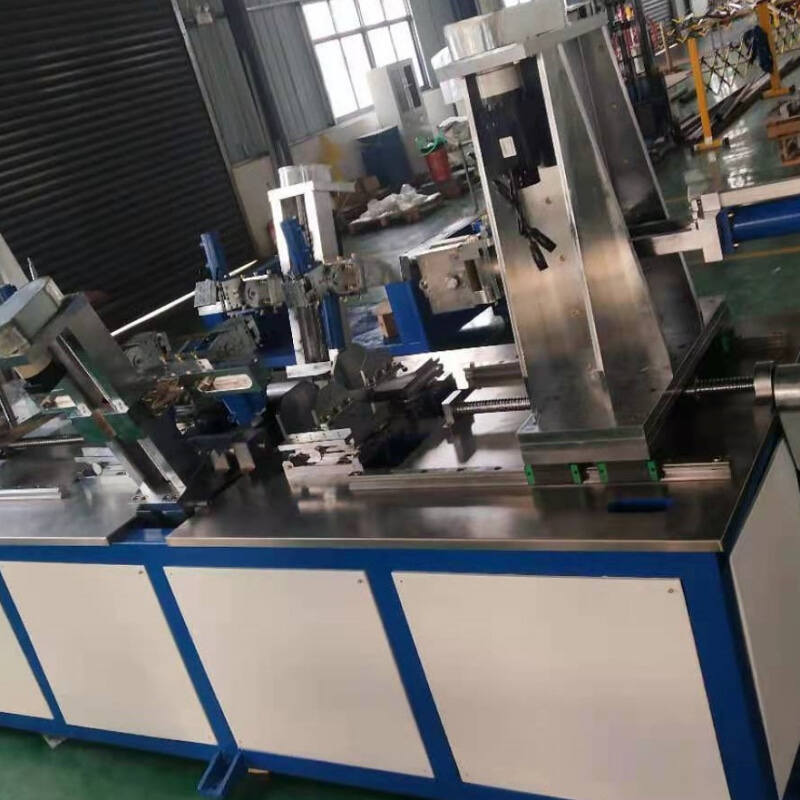
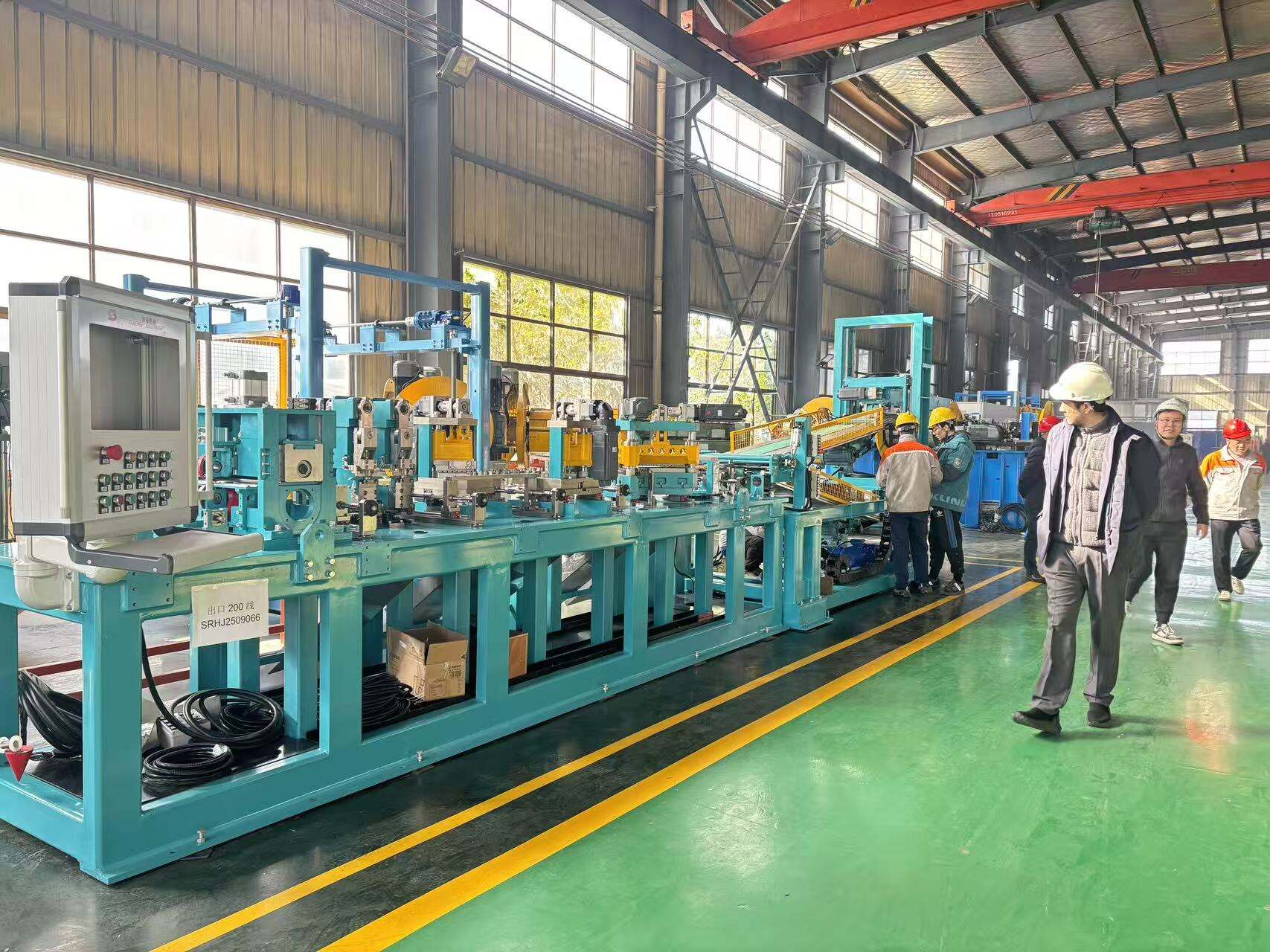
Modern transformer coil winding machine technology incorporates intelligent automation features that extend far beyond basic winding functions, creating integrated production systems that maximize throughput while minimizing operator workload and potential error points. Automatic wire feeding systems eliminate the need for operators to manually thread wire through tensioning mechanisms and guide systems, instead automatically drawing wire from supply spools, routing it through the tension control system, and positioning it at the starting point on the coil former with the push of a button. This automation not only saves setup time but also ensures consistent wire path geometry that contributes to uniform tension control throughout the winding process. Wire break detection systems continuously monitor electrical continuity or mechanical tension, immediately stopping the transformer coil winding machine if wire breakage occurs and alerting the operator to the problem, preventing the production of defective coils that would waste materials and require rework. Smart tension compensation algorithms analyze real-time feedback from tension sensors and automatically adjust feed rates to compensate for changes in wire supply reel diameter as wire is consumed, maintaining optimal tension without operator intervention throughout multi-hour production runs. Integrated turn counting with automatic stop functionality ensures the machine completes the exact programmed number of turns and then automatically stops, eliminating overruns that waste wire and create out-of-specification coils while freeing operators to perform other tasks rather than constantly monitoring the winding process. Some sophisticated transformer coil winding machine models incorporate vision systems that optically inspect winding progress, detecting crossed wires, gaps between turns, or other defects in real-time and either automatically correcting minor issues or alerting operators to problems requiring intervention before continuing production. Recipe management systems store complete winding programs including all parameters for specific coil types, allowing operators to simply select the appropriate recipe from a menu rather than manually entering dozens of individual settings, which reduces setup time and eliminates transcription errors that could result in incorrect winding specifications. Predictive maintenance features monitor machine operating parameters such as motor temperatures, bearing vibration levels, and component cycle counts, alerting maintenance personnel when service is approaching due and helping prevent unexpected breakdowns that disrupt production schedules. Network connectivity in modern equipment enables integration with factory management systems, automatically reporting production volumes, machine status, and quality metrics to central databases that support inventory management, production scheduling, and performance analysis without requiring manual data collection and entry.
 ×



 EN