Professional Coil Winding Machine for Transformer Manufacturing | Precision Automated Winding Solutions

Get a Free Quote

Our representative will contact you soon.
Email
Name
Mobile/WhatsApp
Company Name
Message
0/1000

coil winding machine for transformer

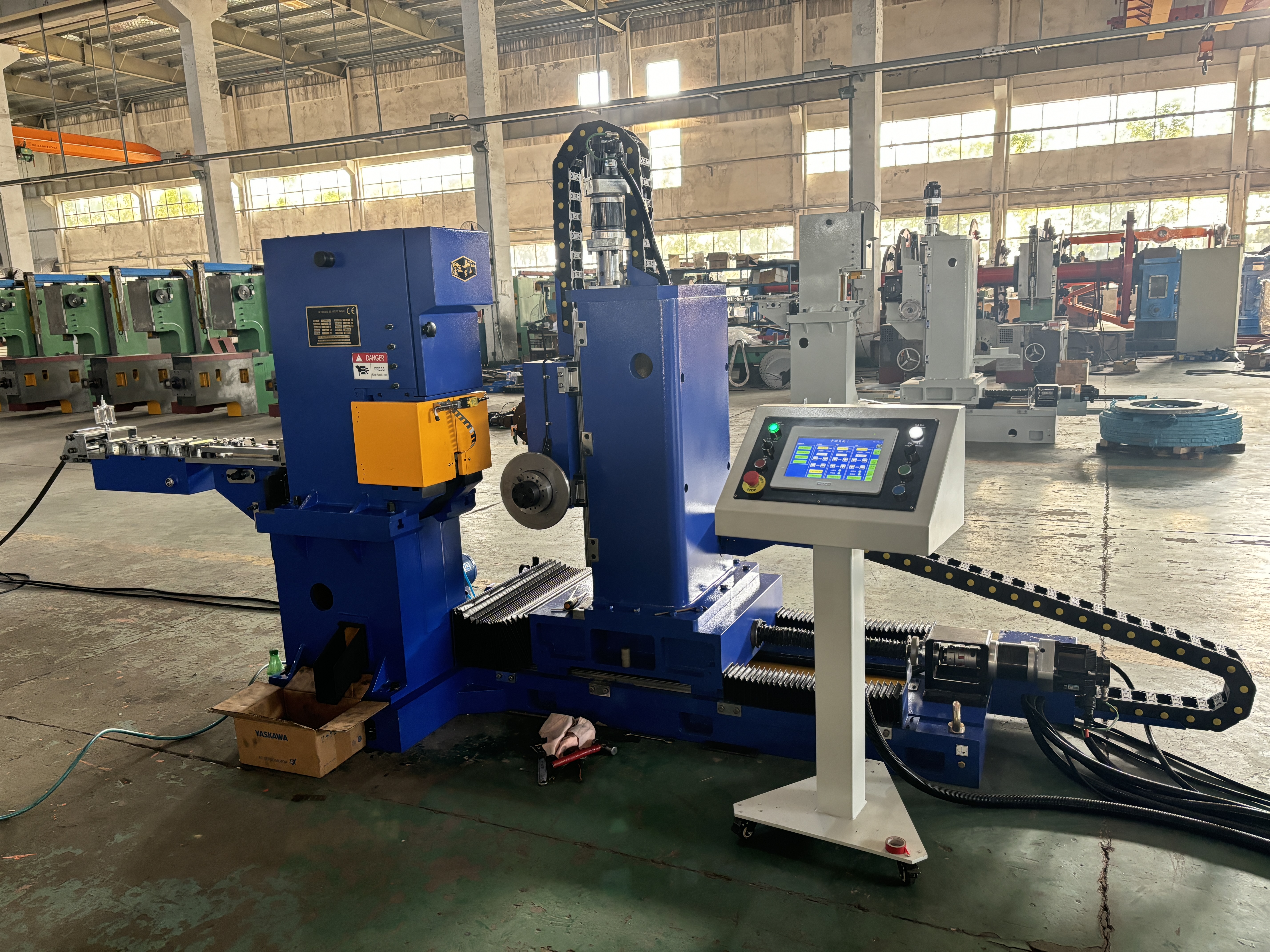
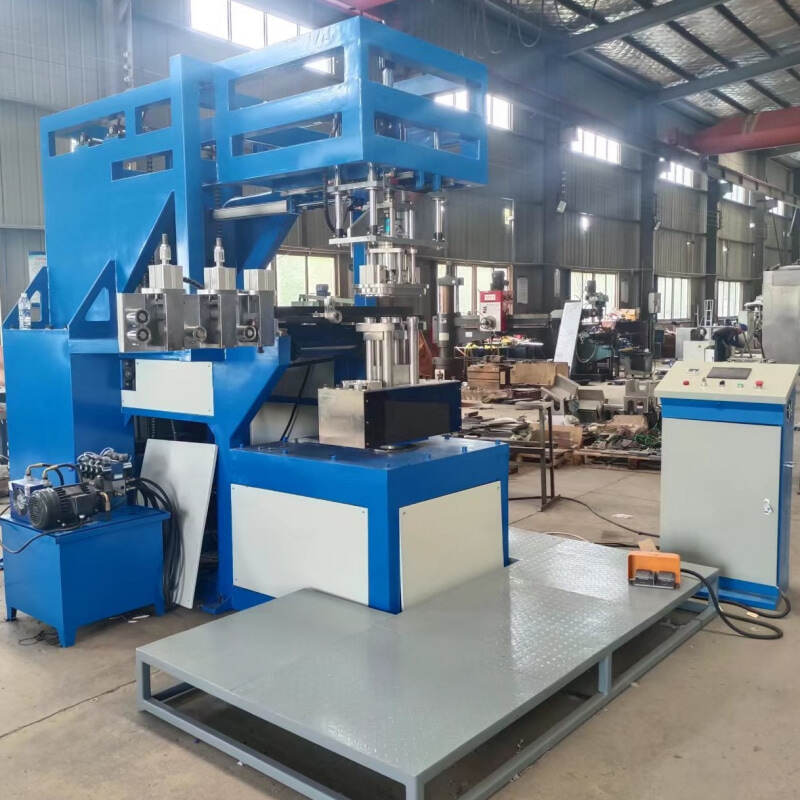
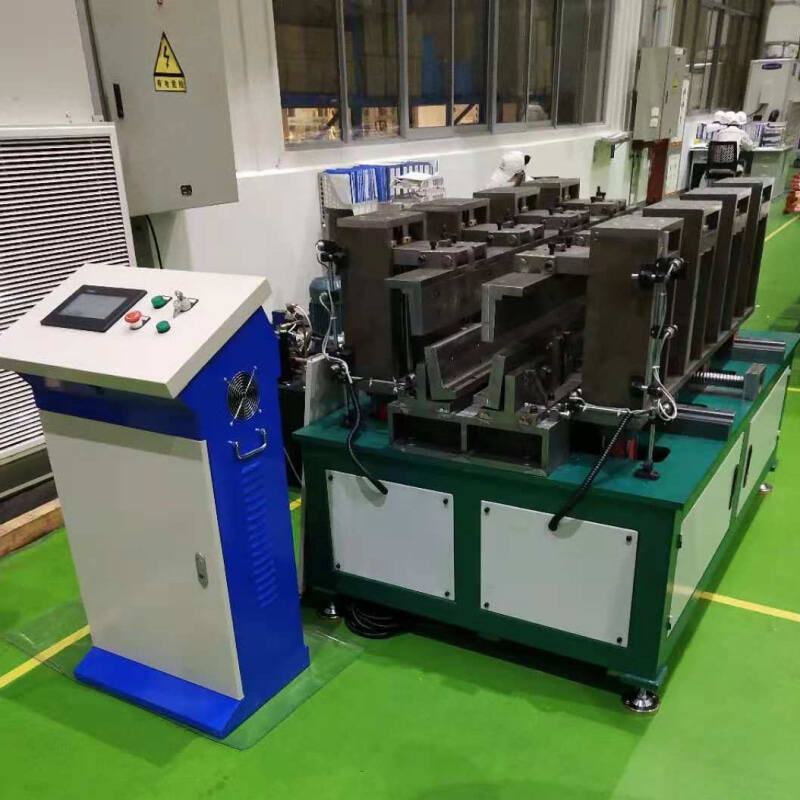
A coil winding machine for transformer represents essential manufacturing equipment designed to automate the precise winding of copper or aluminum wire around transformer cores. This sophisticated machinery has revolutionized transformer production by replacing manual winding processes with computer-controlled precision operations. The primary function of a coil winding machine for transformer involves creating consistent, tightly wound coils that meet exact specifications for electrical performance and dimensional accuracy. Modern systems integrate advanced servo motor technology, programmable logic controllers, and user-friendly interfaces that allow operators to configure winding parameters including tension control, wire spacing, layer transitions, and winding speed. These machines accommodate various transformer types, from small distribution transformers to large power transformers, handling wire gauges ranging from fine magnet wire to thick conductor cables. The technological features incorporated into contemporary coil winding machine for transformer systems include automatic wire tensioning mechanisms that maintain consistent wire stress throughout the winding process, preventing wire breakage and ensuring uniform coil density. Digital counters track the number of turns with exceptional accuracy, while layering systems facilitate smooth transitions between winding layers. Many models feature rotary indexing tables that enable continuous production workflows, and some advanced units incorporate wire guiding systems that position conductors with micron-level precision. Temperature monitoring sensors prevent overheating during high-speed operations, and safety interlocks protect operators from moving components. Applications for coil winding machine for transformer equipment span multiple industries including electrical utilities, renewable energy systems, industrial manufacturing, railway electrification, and consumer electronics. These machines produce coils for distribution transformers used in power grids, isolation transformers for sensitive equipment, auto-transformers for voltage regulation, and specialized transformers for medical devices, welding equipment, and audio systems. The versatility and reliability of modern coil winding machine for transformer technology make it indispensable for manufacturers seeking to maintain competitive advantages through improved quality consistency and production efficiency.

New Products

Investing in a coil winding machine for transformer production delivers substantial practical benefits that directly impact your bottom line and operational capabilities. First and foremost, these machines dramatically increase production speed compared to manual winding methods. Where hand-winding might take hours to complete a single transformer coil, automated equipment completes the same task in minutes, allowing manufacturers to fulfill larger orders and reduce lead times. This speed advantage translates to faster revenue generation and improved customer satisfaction through quicker delivery schedules. The consistency achieved by a coil winding machine for transformer eliminates the variability inherent in manual processes. Each coil emerges with identical specifications, ensuring uniform electrical characteristics across production batches. This consistency reduces rejection rates, minimizes quality control interventions, and enhances your reputation for reliability. Labor cost savings represent another significant advantage, as one operator can supervise multiple machines or handle other value-added tasks while the equipment runs autonomously. This efficiency allows you to optimize workforce deployment and reduce per-unit production costs substantially. The precision offered by computerized coil winding machine for transformer systems ensures that wire placement follows exact patterns, maintaining proper insulation distances and achieving specified inductance values. This precision prevents short circuits, reduces electrical losses, and extends transformer service life, which means fewer warranty claims and stronger customer relationships. Material waste decreases significantly because automated tension control prevents wire breakage and the programmable systems calculate exact wire lengths needed, eliminating excess material usage. These savings accumulate substantially over thousands of production cycles. Safety improvements benefit both workers and business operations, as automated processes keep operators away from rotating components and repetitive strain injuries decrease when manual winding tasks are eliminated. Reduced workplace accidents mean lower insurance premiums and fewer productivity disruptions. Flexibility represents a key competitive advantage, as modern coil winding machine for transformer equipment adapts quickly to different product specifications through simple program changes rather than requiring extensive retooling. This adaptability enables manufacturers to pursue diverse market opportunities and respond rapidly to custom orders without significant setup costs. Data collection capabilities built into these machines provide valuable production insights, tracking cycle times, identifying bottlenecks, and documenting quality metrics that support continuous improvement initiatives. The professional appearance of machine-wound coils enhances product marketability, as consistent, neat windings signal quality craftsmanship to customers. Finally, the long-term return on investment proves compelling when considering reduced labor costs, increased throughput, lower defect rates, and expanded production capacity that a coil winding machine for transformer brings to manufacturing operations.

Latest News

January 15th, 2026 Air Conditioner BLDC Motor Production line Dispatch to India

08

Apr

January 15th, 2026 Air Conditioner BLDC Motor Production line Dispatch to India

View More
August 30th, 2025, 45W Air conditioner ODU BLDC motor Assembly line Inspection From India customer

08

Apr

August 30th, 2025, 45W Air conditioner ODU BLDC motor Assembly line Inspection From India customer

View More
January 5th , 2026 CNC Coil Forming Machine For High Voltage Motors dispatched to UZ (Uzbekistan)

07

Apr

January 5th , 2026 CNC Coil Forming Machine For High Voltage Motors dispatched to UZ (Uzbekistan)

View More

Get a Free Quote

Our representative will contact you soon.
Email
Name
Mobile/WhatsApp
Company Name
Message
0/1000

coil winding machine for transformer

Advanced Precision Control Systems Ensure Superior Coil Quality

Advanced Precision Control Systems Ensure Superior Coil Quality

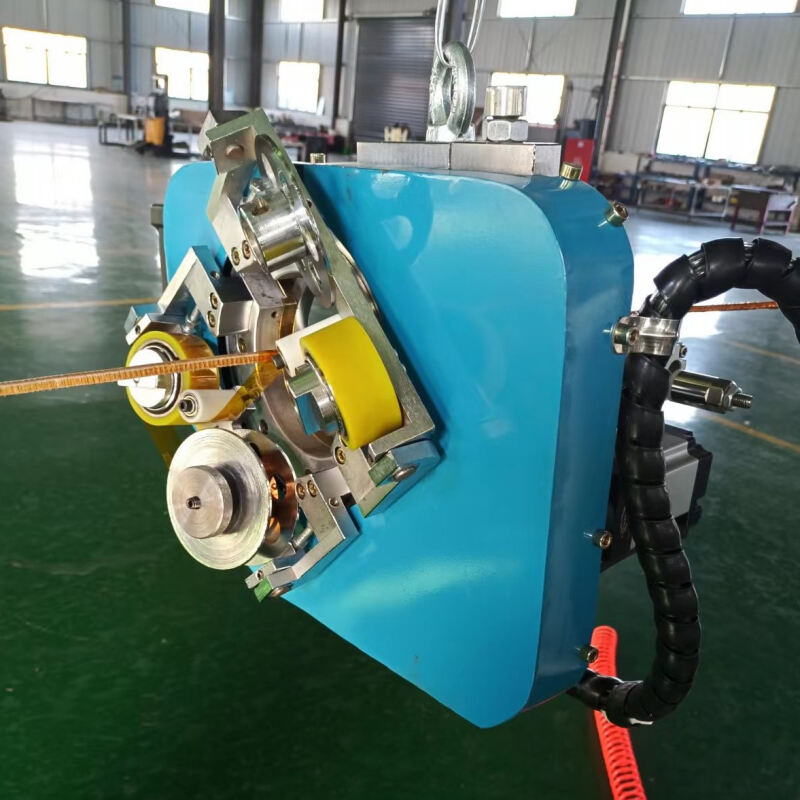
The precision control systems integrated into modern coil winding machine for transformer equipment represent a technological breakthrough that fundamentally transforms coil quality and manufacturing reliability. At the heart of these systems lies sophisticated servo motor technology that regulates winding speed with exceptional accuracy, adjusting dynamically to maintain optimal performance across different wire gauges and coil geometries. Unlike older mechanical systems that operated at fixed speeds, contemporary coil winding machine for transformer units modulate velocity during critical operations such as layer transitions, corner turns, and winding initiation, preventing wire damage and ensuring proper conductor placement. The tension control subsystem maintains consistent wire stress throughout the entire winding process, automatically compensating for spool depletion, wire diameter variations, and changing coil radii. This constant tension proves critical because insufficient tension creates loose windings with poor electrical characteristics, while excessive tension risks wire breakage and insulation damage. The programmable logic controller serves as the central intelligence, storing multiple winding programs that operators recall instantly when changing product specifications. These programs define every parameter including turn counts per layer, traverse speeds, wire pitch dimensions, and pause points for insulation insertion. Digital encoders provide real-time feedback on spindle position and wire feed rates, enabling closed-loop control that corrects deviations immediately. The wire guidance system employs precision traversing mechanisms that position conductors with tolerances measured in hundredths of millimeters, ensuring each turn sits exactly where specified in the design parameters. This micron-level accuracy prevents wire crossovers, maintains uniform insulation spacing, and creates coils with predictable electrical properties. Automatic turn counting eliminates human error from this critical measurement, with optical or magnetic sensors verifying each complete rotation and triggering layer advancement at precisely the programmed count. The layer transition mechanism executes smooth shifts between winding layers, maintaining proper wire positioning during these vulnerable moments when improper technique can create bulges or gaps that compromise coil integrity. Temperature monitoring protects both the wire insulation and machine components from thermal damage during extended production runs, with automatic speed reduction or pause functions activating when thermal thresholds approach. These precision control features collectively ensure that every coil winding machine for transformer produces components meeting stringent electrical specifications, reducing testing failures and enhancing customer satisfaction through consistent performance delivery.
Versatile Configuration Options Accommodate Diverse Production Requirements

Versatile Configuration Options Accommodate Diverse Production Requirements

The remarkable versatility built into contemporary coil winding machine for transformer systems enables manufacturers to address diverse market segments and product categories with a single equipment investment. This adaptability begins with adjustable spindle configurations that accommodate transformer cores ranging from compact units measuring just a few centimeters to massive industrial cores exceeding two meters in diameter. Quick-change mandrel systems allow operators to switch between different core sizes in minutes rather than hours, minimizing downtime between production batches and supporting efficient job scheduling. Wire handling capabilities span an impressive range, with modern coil winding machine for transformer equipment processing fine magnet wire as thin as 0.1 millimeters for small electronic transformers while also managing heavy rectangular conductors several centimeters wide for high-current power transformers. This wire size flexibility eliminates the need for separate specialized machines, consolidating capital investments and simplifying operator training requirements. The programmable nature of these systems means manufacturers can store dozens or even hundreds of different winding recipes in the controller memory, each containing complete specifications for a particular transformer model. Operators simply select the appropriate program, load the correct wire and core, and initiate the cycle, with the machine automatically configuring all parameters for that specific product. This program library approach proves invaluable for manufacturers serving diverse customers or producing seasonal product mixes, as changeovers become simple menu selections rather than complex mechanical adjustments. Many coil winding machine for transformer models offer modular accessory systems that expand capabilities as business needs evolve. Optional wire tensioning devices handle specialized materials like aluminum conductors or insulated wires requiring gentler handling. Programmable wire cutters and strippers automate lead preparation, while automatic taping heads apply insulation layers at programmed intervals without operator intervention. Multi-spindle configurations enable simultaneous winding of multiple coils, multiplying productivity for high-volume products. Some advanced systems incorporate vision systems that verify wire placement and detect winding defects in real-time, adding quality assurance directly into the production process. The control interfaces on modern coil winding machine for transformer equipment support multiple operator skill levels, offering simple one-touch operation for routine production while providing detailed parameter access for engineering staff developing new products. Remote connectivity options enable technical support specialists to diagnose issues, update software, and optimize programs without site visits, reducing downtime and accelerating problem resolution. This comprehensive versatility ensures that your coil winding machine for transformer investment remains productive and relevant even as product requirements evolve, protecting capital expenditures and supporting long-term manufacturing flexibility that keeps pace with changing market demands and technological advancements in transformer design.
Robust Construction and Reliability Minimize Production Disruptions

Robust Construction and Reliability Minimize Production Disruptions

The robust engineering and reliability features incorporated into quality coil winding machine for transformer equipment deliver sustained production capability that minimizes costly downtime and maximizes return on investment through years of dependable service. Manufacturers construct these machines using heavy-duty steel frames and precision-machined components designed to withstand the continuous mechanical stresses of industrial production environments. The structural integrity prevents vibration and deflection during high-speed winding operations, maintaining dimensional accuracy even after millions of operational cycles. This solid foundation contrasts sharply with lighter commercial equipment that may exhibit performance degradation as components wear or frames distort under sustained loads. The drive systems employed in professional coil winding machine for transformer units utilize industrial-grade servo motors and gearboxes rated for continuous duty cycles, providing consistent torque delivery and precise speed control throughout extended production shifts. These components incorporate thermal protection, sealed bearings, and robust electrical connections that resist contamination from copper dust and insulation particles common in winding environments. The wire tensioning mechanisms feature hardened guides and ceramic eyelets that resist wear from conductor friction, maintaining consistent tension characteristics over long service periods without frequent adjustment or replacement. Control electronics utilize industrial-standard PLCs and touchscreen interfaces designed for manufacturing environments, with sealed enclosures protecting sensitive circuits from dust, moisture, and temperature variations typical in production facilities. Redundant safety systems ensure that electrical faults, emergency stops, or sensor failures trigger safe shutdown sequences rather than uncontrolled machine behavior that could damage workpieces or endanger operators. The electrical cabinets incorporate thermal management systems that dissipate heat from power components and maintain optimal operating temperatures for control electronics, preventing premature failures and extending component service life. Maintenance accessibility receives careful attention in professional coil winding machine for transformer designs, with inspection doors, removable covers, and clearly labeled service points enabling technicians to perform routine maintenance efficiently. Comprehensive lubrication systems deliver precisely metered oil to bearings, slides, and rotating assemblies, with reservoir level indicators and filter change reminders helping maintenance teams prevent wear-related failures. The wire path components utilize quick-release mechanisms that facilitate rapid replacement when serving particularly abrasive conductors or high-production volumes necessitate component rotation. Diagnostic systems built into modern coil winding machine for transformer controllers monitor critical parameters continuously, alerting operators to developing issues before catastrophic failures occur. These predictive maintenance capabilities track motor currents, bearing temperatures, cycle counts, and tension variations, flagging anomalies that indicate needed adjustments or impending component failures. Comprehensive documentation packages include electrical schematics, mechanical drawings, parts lists, and troubleshooting guides that empower in-house maintenance teams to resolve issues quickly without waiting for external service support. Many manufacturers offer long-term parts availability commitments and technical support programs that ensure your coil winding machine for transformer remains fully operational throughout its extended service life, protecting your production capacity and investment value for decades of reliable manufacturing performance.

Get a Free Quote

Our representative will contact you soon.
Email
Name
Mobile/WhatsApp
Company Name
Message
0/1000