Comprehensive Automation and Integration Capabilities
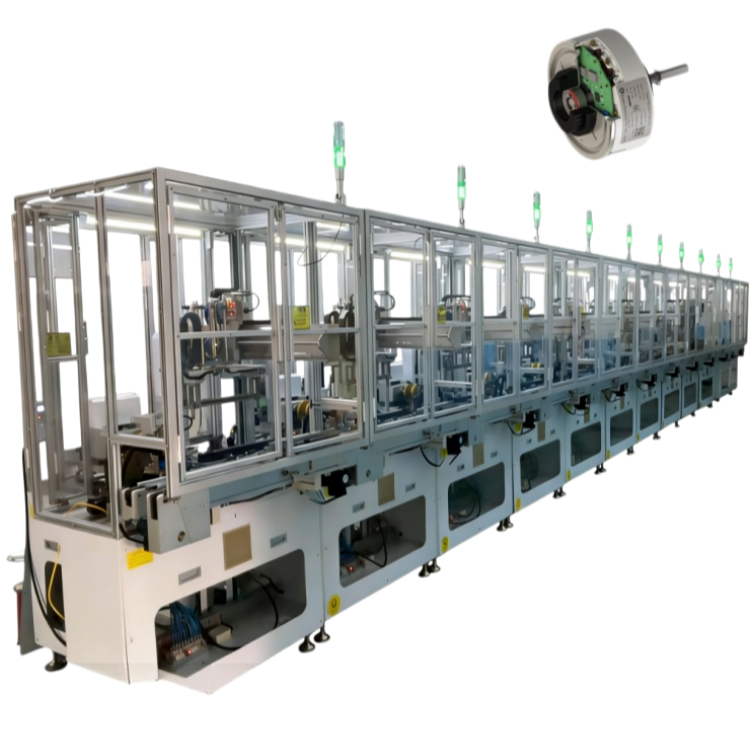
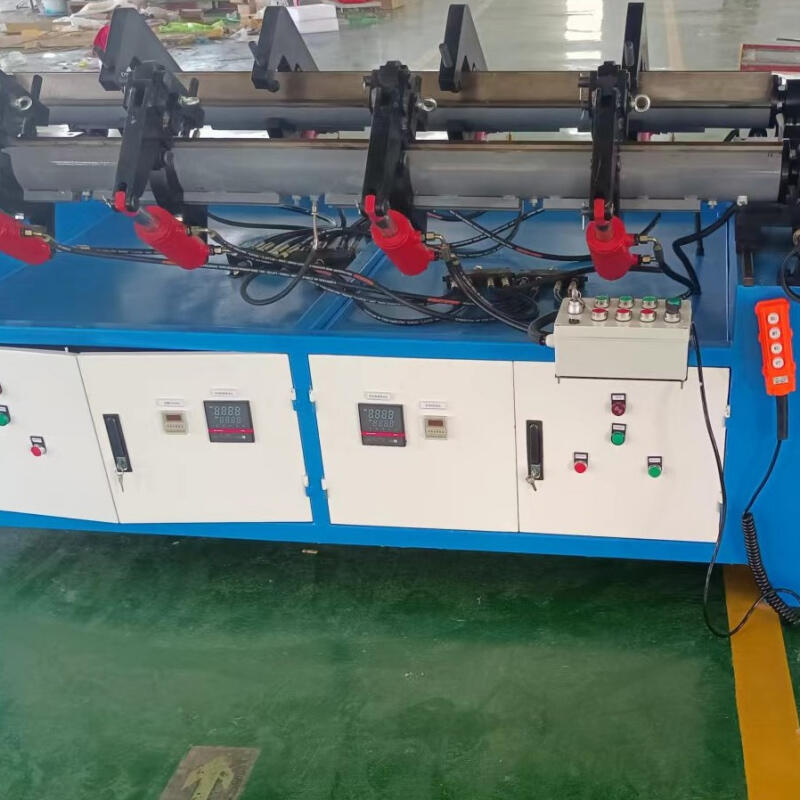
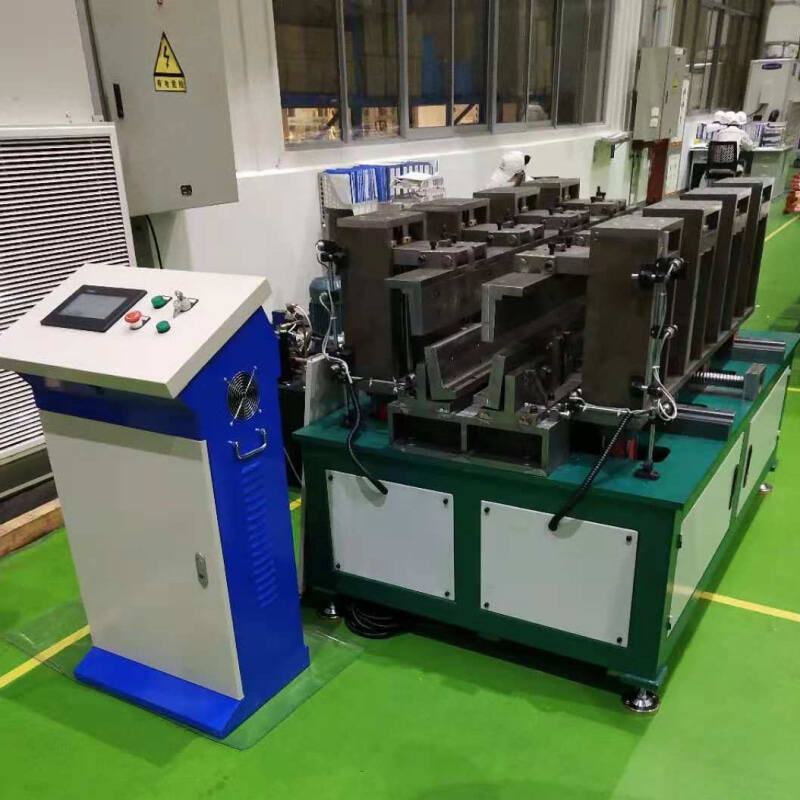
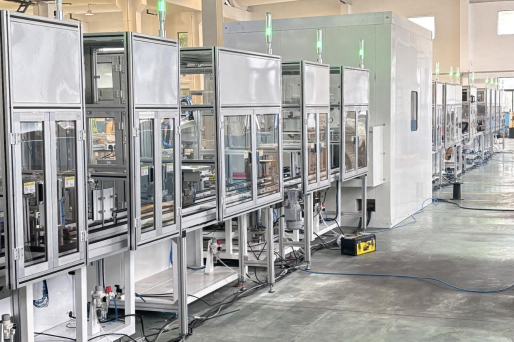
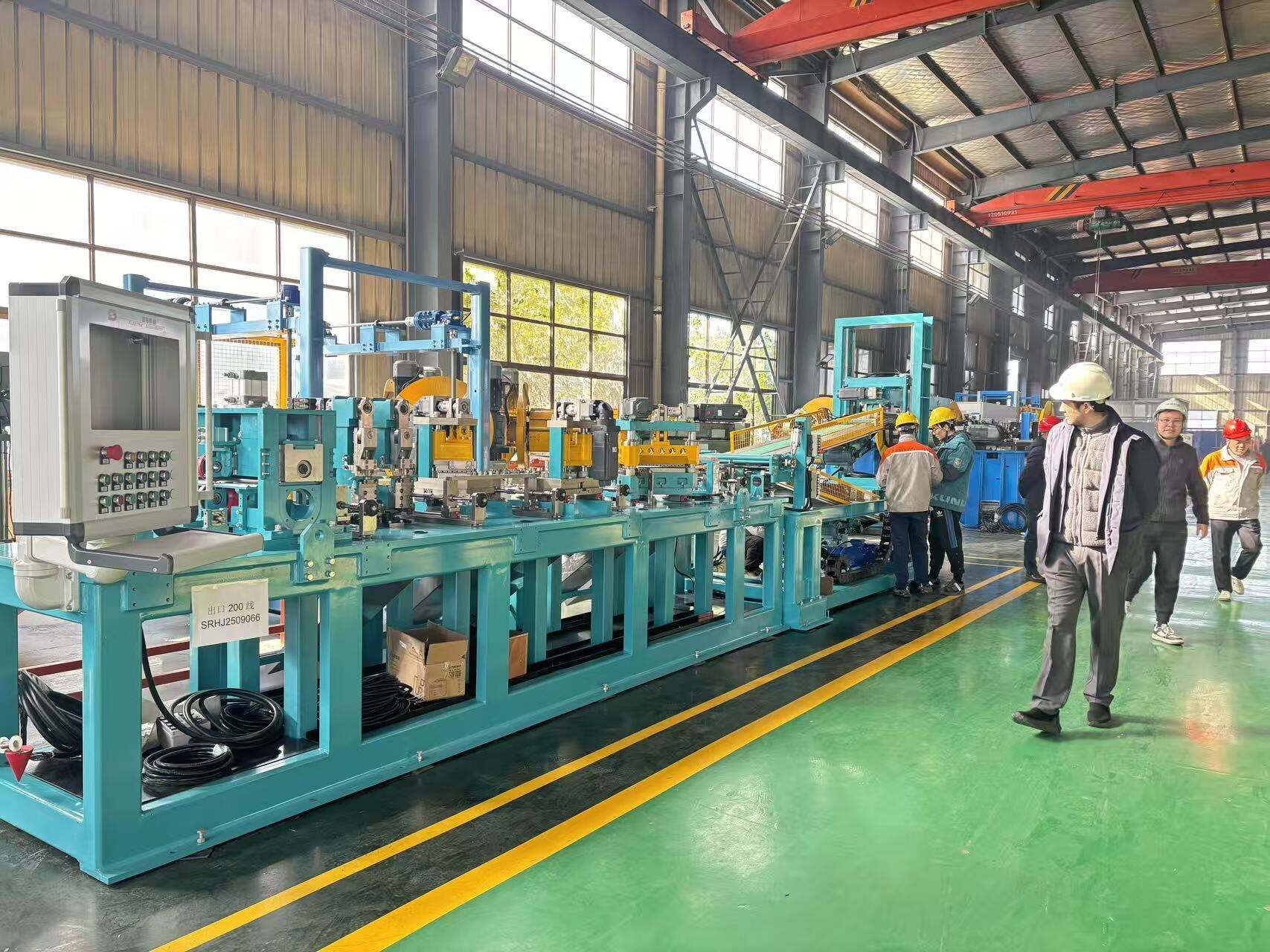
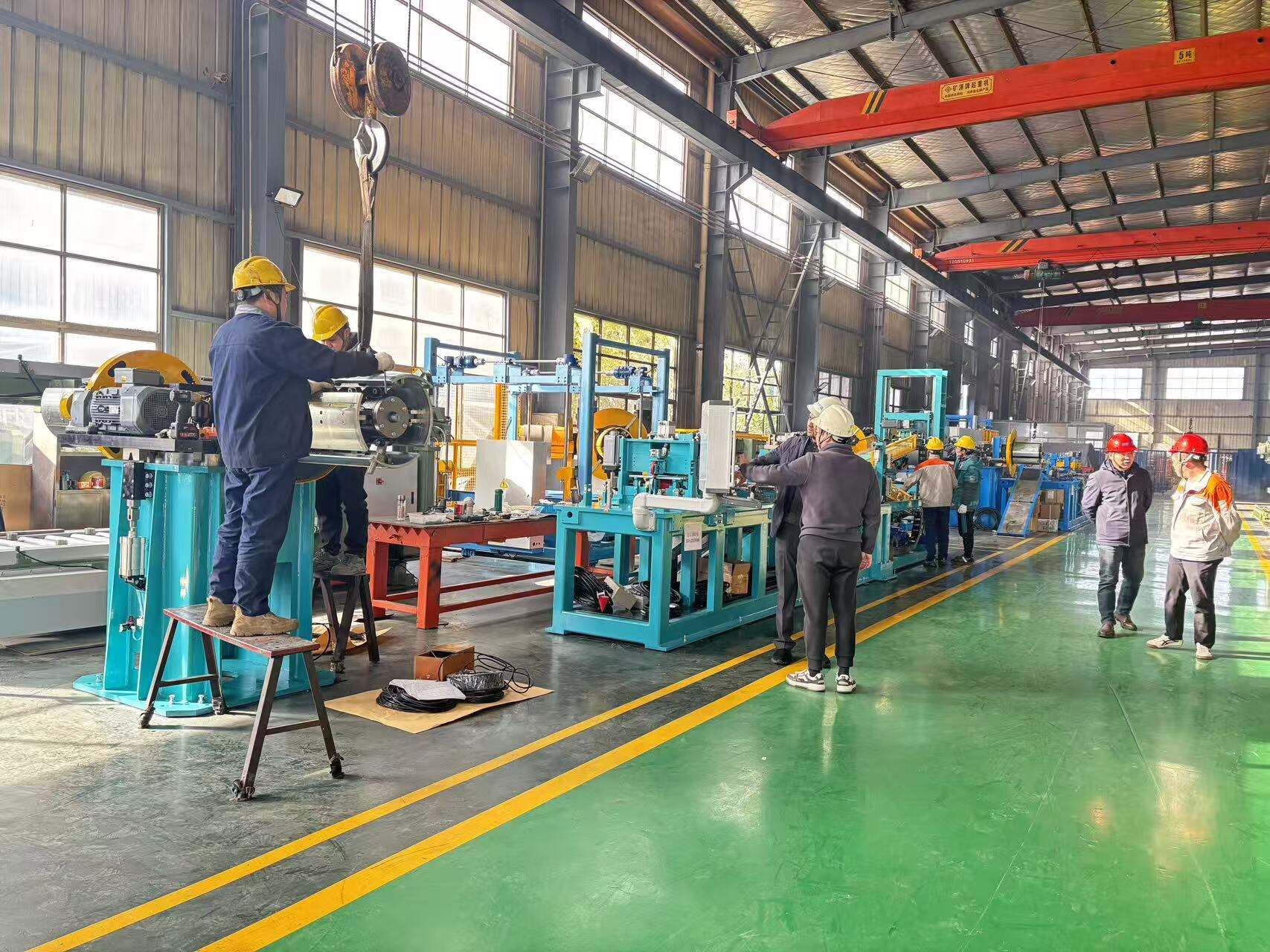
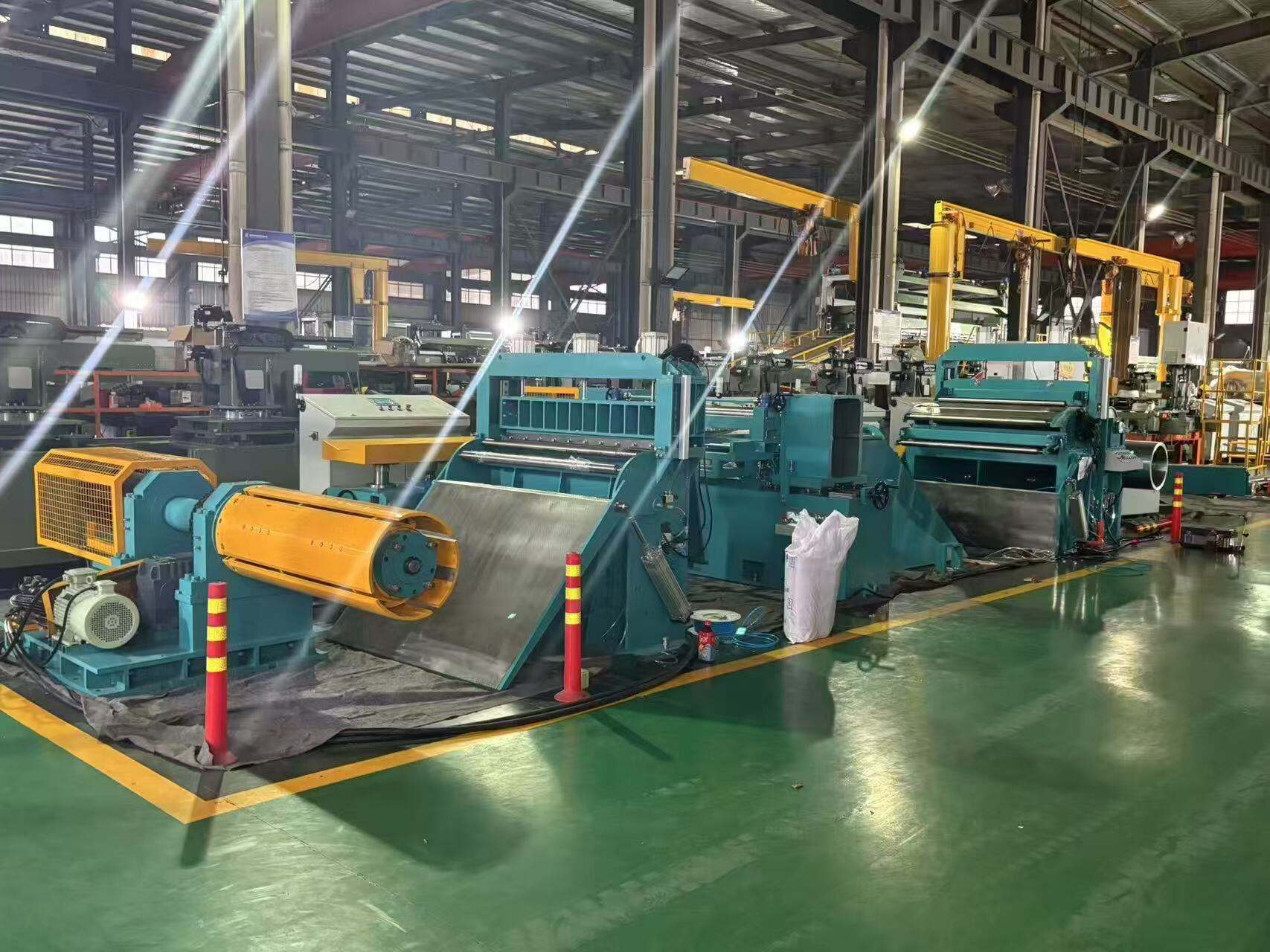
Modern transformer core processing machines offer comprehensive automation features that transform manufacturing operations from labor-intensive processes into streamlined, efficient production systems. The automation begins with sophisticated material handling systems that automatically feed silicon steel sheets into the processing area, eliminating manual loading tasks that slow production and create ergonomic challenges for workers. Automatic positioning systems align materials precisely before processing begins, using optical sensors and mechanical guides to ensure perfect placement every time, regardless of operator skill level. Once processing starts, the transformer core processing machine executes complex sequences of operations without human intervention, moving materials through multiple stations for cutting, notching, and stacking as programmed. Advanced models incorporate robotic systems that handle delicate laminations without damage, carefully stacking processed cores according to specified patterns and orientations that optimize magnetic properties in the finished transformer. The automation extends to quality inspection, with integrated vision systems that examine each piece for defects such as burrs, cracks, or dimensional errors, automatically sorting rejected pieces and alerting operators to potential issues before they affect large quantities. Integration capabilities allow the transformer core processing machine to communicate with broader factory management systems, sharing production data, maintenance alerts, and performance metrics that support informed decision-making at all organizational levels. This connectivity enables manufacturers to implement Industry 4.0 concepts, using data analytics to predict maintenance needs before breakdowns occur, optimize production schedules based on actual throughput rates, and identify opportunities for process improvements that incrementally enhance efficiency. The automation reduces dependence on specialized skills, as the machine handles complex operations that previously required experienced craftsmen, helping manufacturers address workforce challenges and maintain consistent quality even with relatively inexperienced operators. Flexibility remains high despite the automation, as quick-change tooling systems and stored programs allow rapid switching between different products without sacrificing the benefits of automated operation. The comprehensive automation also improves workplace safety by removing workers from potentially hazardous processing areas, while sensors and interlocks prevent machine operation when safety conditions are not met, protecting both personnel and equipment from damage.
 ×


 EN