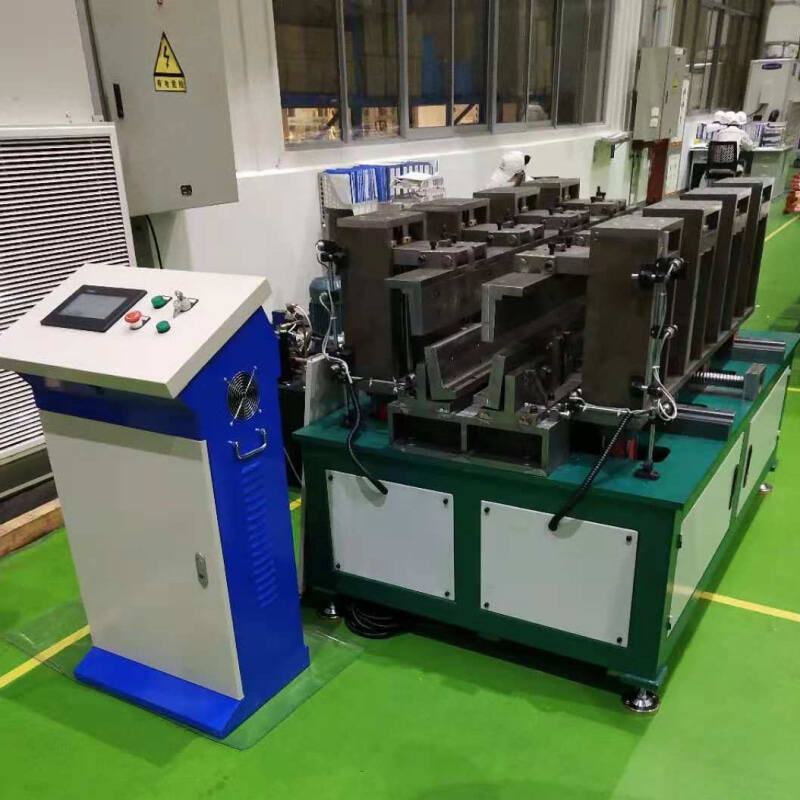
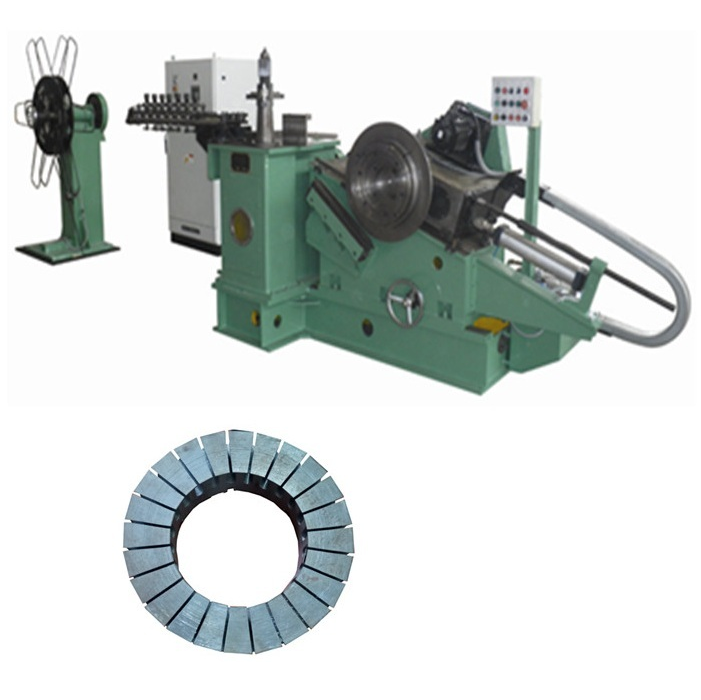
Professional Wheel Rim Forming Machine - High Precision Manufacturing Solutions

Get a Free Quote

Our representative will contact you soon.
Email
Name
Mobile/WhatsApp
Company Name
Message
0/1000

wheel rim forming machine

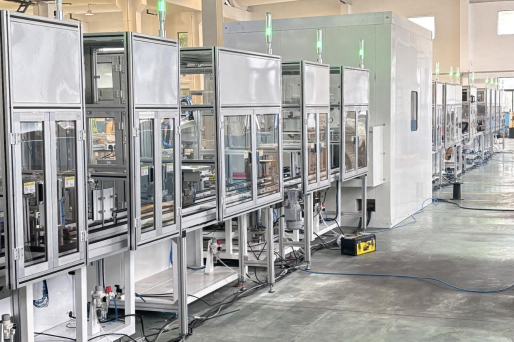
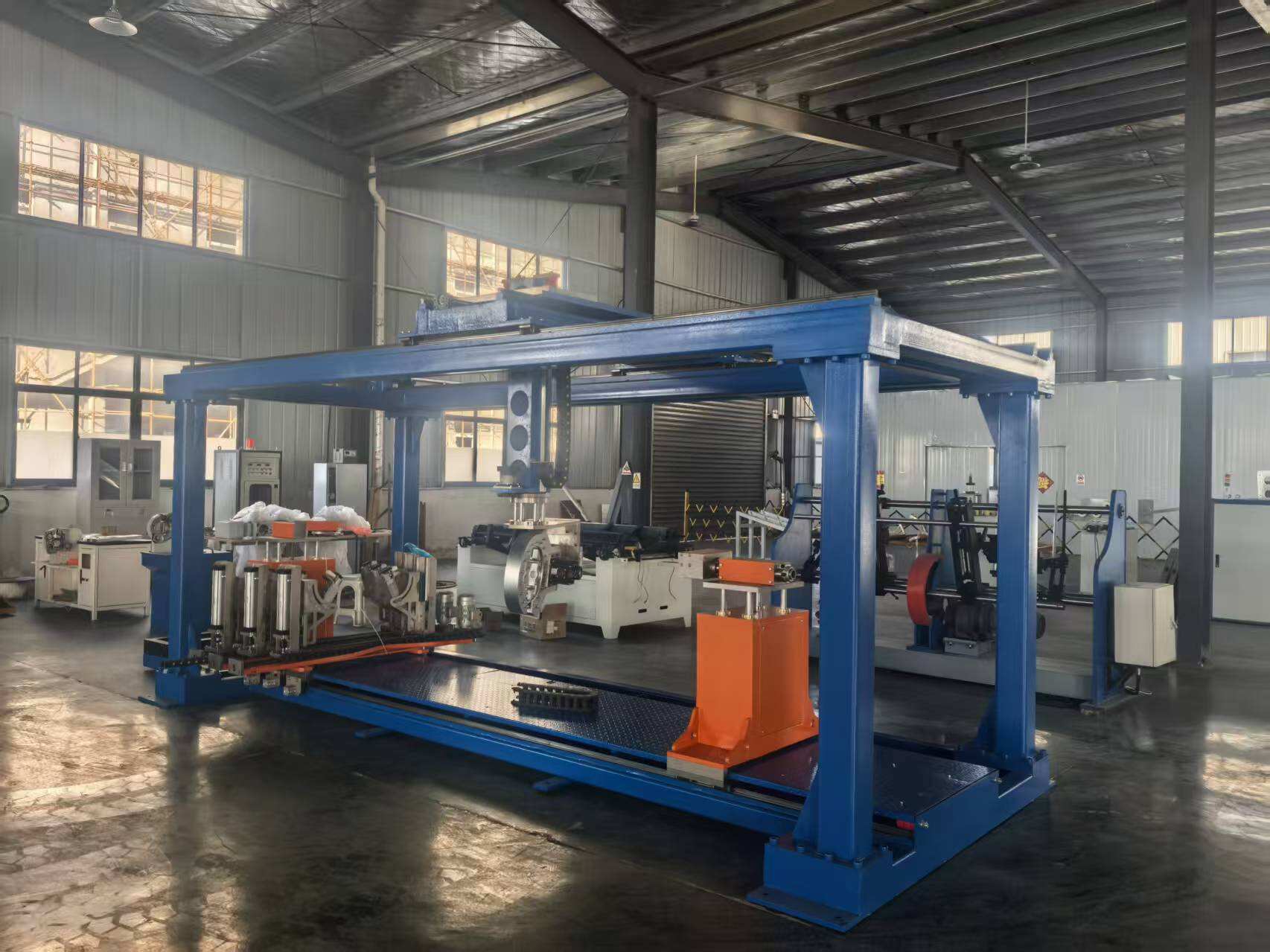
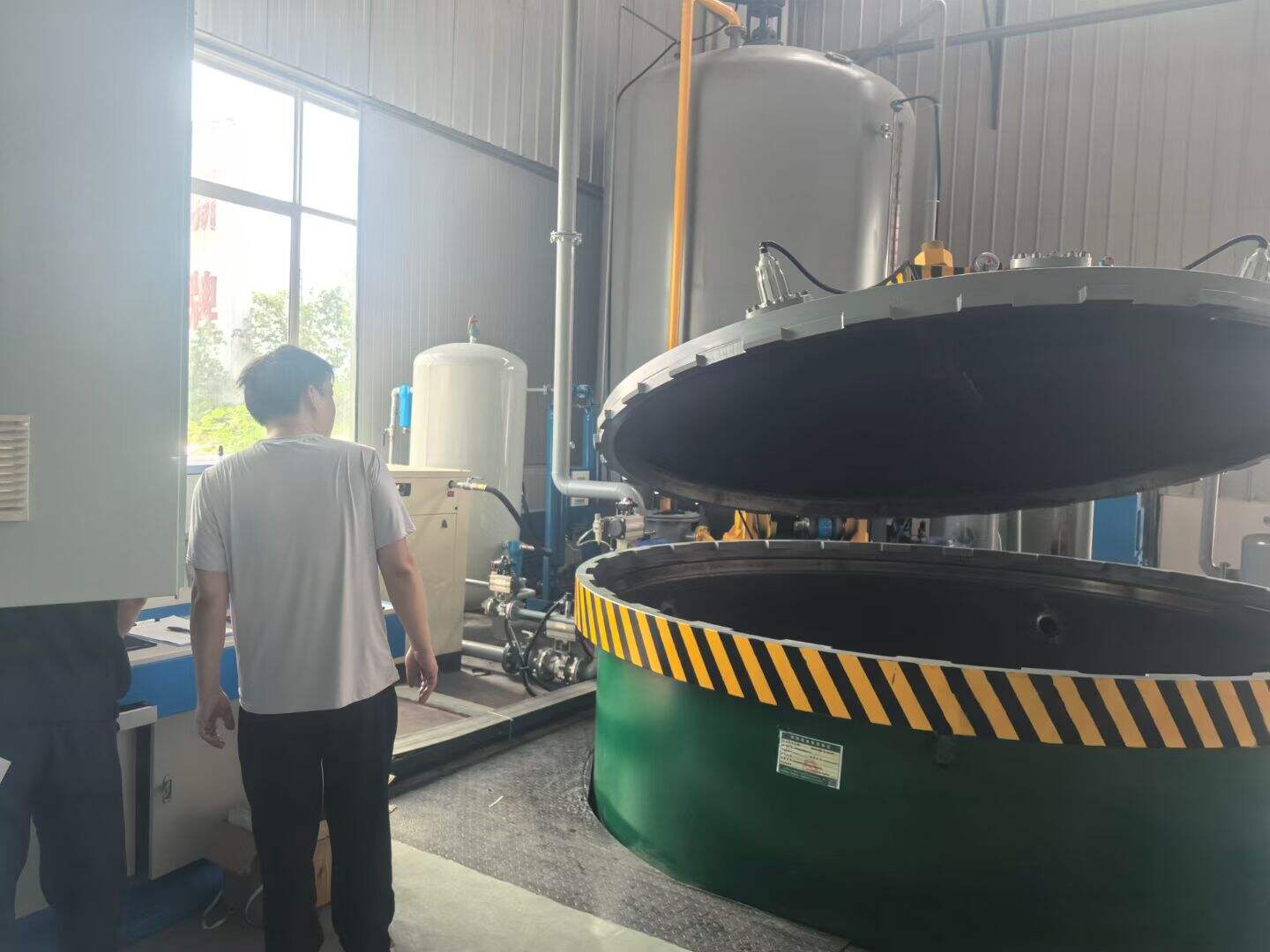
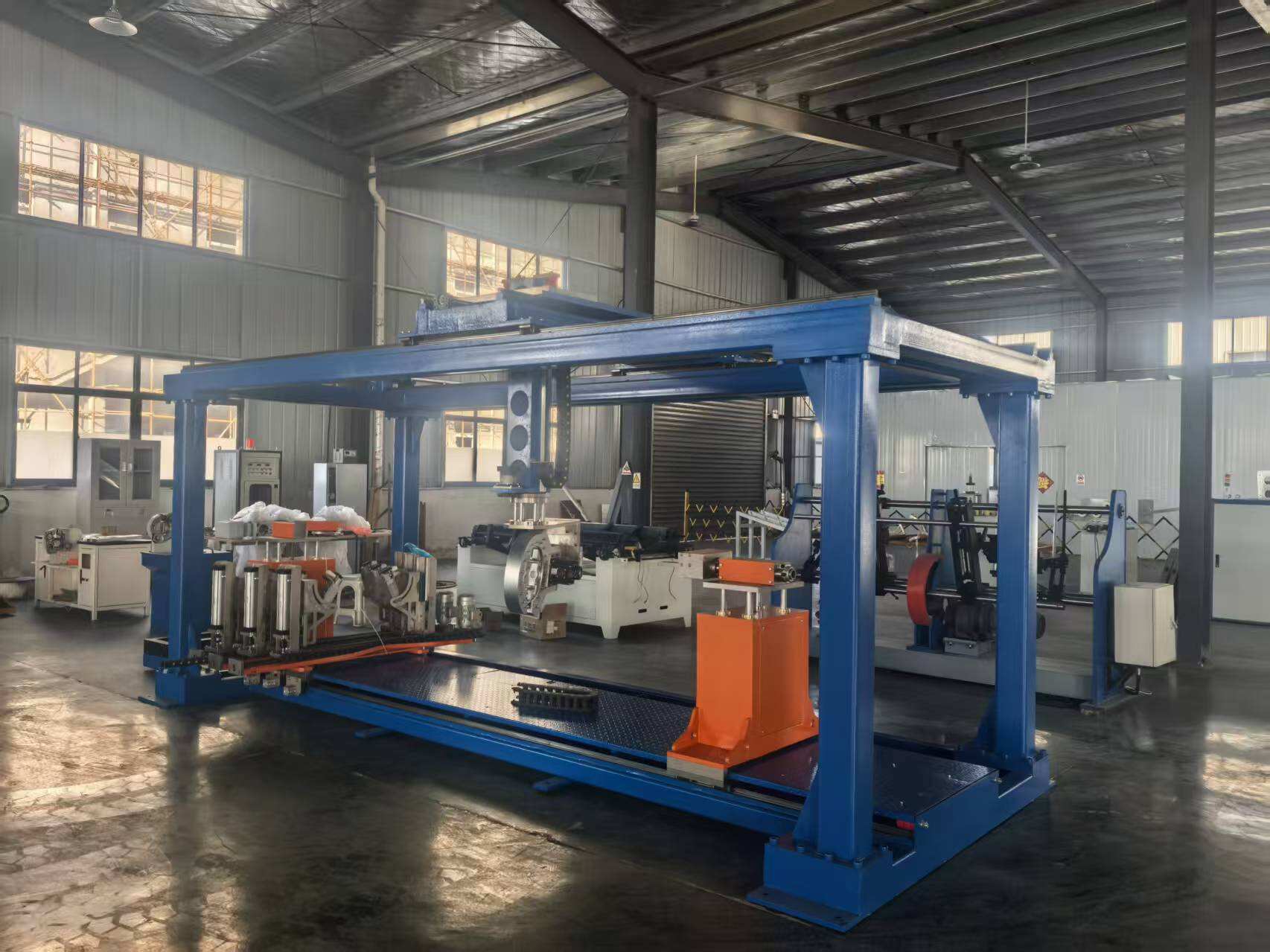
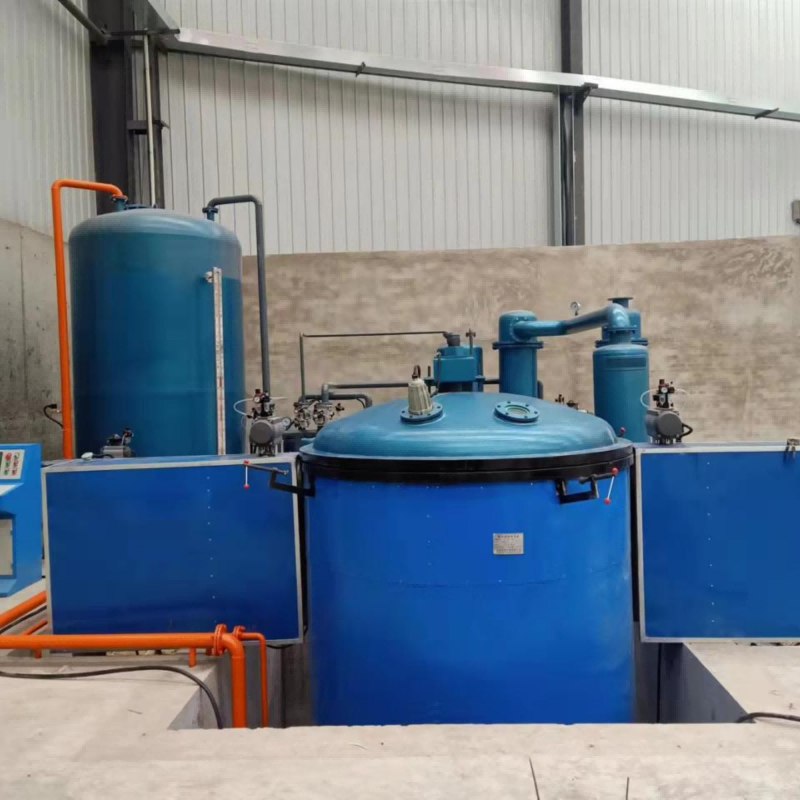
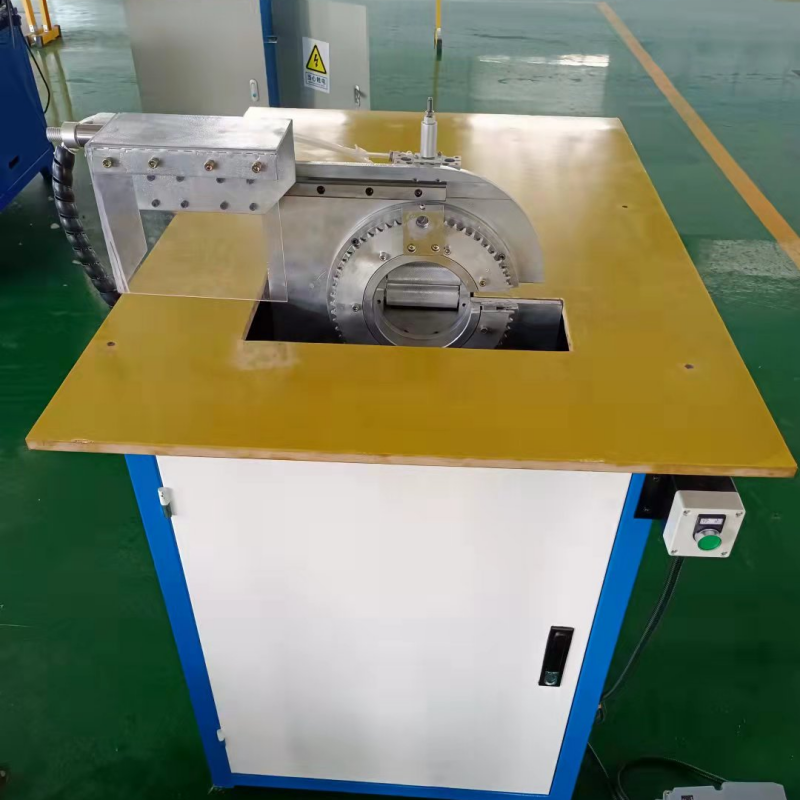
The wheel rim forming machine represents a cornerstone of modern automotive and transportation manufacturing, designed specifically to transform raw metal materials into precision-engineered wheel rims through advanced forming processes. This sophisticated equipment combines mechanical engineering excellence with automated control systems to deliver consistent, high-quality results in industrial production environments. At its core, the wheel rim forming machine performs multiple critical functions including metal sheet feeding, progressive forming through roller sets, diameter adjustment, profile shaping, and final dimensional calibration. The technology integrates hydraulic systems, servo-driven motors, and programmable logic controllers to manage the complex sequence of operations required to produce wheel rims meeting strict industry standards. Modern wheel rim forming machines accommodate various rim sizes, profiles, and specifications, making them versatile solutions for manufacturers serving diverse market segments from passenger vehicles to commercial trucks and specialized equipment. The machine's operational principle involves feeding metal coils or pre-cut blanks through a series of forming stations where strategically positioned rollers gradually shape the material into the desired rim profile without compromising structural integrity. Advanced sensor systems monitor critical parameters throughout the forming process, including material thickness, forming pressure, dimensional accuracy, and surface quality, ensuring every produced rim meets predefined specifications. The integration of computerized controls enables operators to quickly switch between different rim configurations, store production recipes, and maintain detailed records for quality assurance purposes. Contemporary wheel rim forming machines incorporate safety features such as emergency stop systems, protective guards, and automated fault detection mechanisms that protect both operators and equipment. The machine's robust construction ensures long-term reliability even under continuous production demands, while modular design facilitates maintenance and component replacement. As manufacturing standards evolve and environmental regulations become more stringent, wheel rim forming machines continue advancing with energy-efficient drives, reduced material waste systems, and smart manufacturing capabilities that connect seamlessly with Industry 4.0 production environments.

New Product Releases

Investing in a wheel rim forming machine delivers substantial practical benefits that directly impact your manufacturing operations and bottom line. The primary advantage lies in dramatically increased production efficiency, as these machines can continuously produce wheel rims at rates far exceeding manual or semi-automated methods, often completing units in minutes rather than hours. This speed translates directly into higher output volumes, enabling manufacturers to meet growing market demands and fulfill larger orders without proportionally expanding workforce requirements. The precision engineering inherent in wheel rim forming machines ensures exceptional consistency across production runs, eliminating the variability that often plagues manual fabrication processes. Every rim emerges with identical dimensional accuracy, uniform wall thickness, and consistent mechanical properties, reducing rejection rates and minimizing costly rework. This consistency proves particularly valuable when supplying major automotive manufacturers who maintain strict quality control standards and zero-defect expectations. Material utilization represents another significant advantage, as the forming process optimizes metal usage and minimizes scrap generation compared to traditional cutting or stamping methods. The progressive forming approach works the material efficiently, reducing waste percentages and lowering raw material costs over time. These savings accumulate substantially across high-volume production scenarios, improving profit margins and competitive positioning. Labor cost reduction emerges as a compelling benefit, since wheel rim forming machines require minimal operator intervention once properly configured. A single trained technician can often supervise multiple machines simultaneously, dramatically reducing per-unit labor costs compared to manual fabrication requiring multiple skilled workers. The automation also addresses workforce challenges many manufacturers face, reducing dependence on increasingly difficult-to-find specialized craftspeople. Flexibility in production planning becomes possible as modern machines quickly adapt to different rim specifications through programmable settings rather than requiring extensive retooling or setup changes. This agility allows manufacturers to respond rapidly to market shifts, accommodate custom orders, and diversify product offerings without significant downtime or capital investment. Quality improvements extend beyond dimensional accuracy to include superior surface finishes and structural integrity, as computer-controlled forming processes apply consistent pressure and avoid stress concentrations that manual methods might introduce. The resulting rims exhibit enhanced durability and performance characteristics that satisfy demanding application requirements. Long-term reliability and low maintenance requirements characterize well-engineered wheel rim forming machines, with robust components designed for millions of cycles and straightforward service procedures that minimize downtime. Predictable maintenance schedules and readily available replacement parts ensure production continuity and protect your investment over decades of operation. Finally, the enhanced workplace safety provided by modern machines with comprehensive guarding, emergency systems, and automated material handling reduces accident risks and associated costs while creating better working conditions that improve employee satisfaction and retention.

Latest News

January 15th, 2026 Air Conditioner BLDC Motor Production line Dispatch to India

08

Apr

January 15th, 2026 Air Conditioner BLDC Motor Production line Dispatch to India

View More
August 30th, 2025, 45W Air conditioner ODU BLDC motor Assembly line Inspection From India customer

08

Apr

August 30th, 2025, 45W Air conditioner ODU BLDC motor Assembly line Inspection From India customer

View More
January 5th , 2026 CNC Coil Forming Machine For High Voltage Motors dispatched to UZ (Uzbekistan)

07

Apr

January 5th , 2026 CNC Coil Forming Machine For High Voltage Motors dispatched to UZ (Uzbekistan)

View More

Get a Free Quote

Our representative will contact you soon.
Email
Name
Mobile/WhatsApp
Company Name
Message
0/1000

wheel rim forming machine

Advanced Precision Control Technology for Superior Product Quality

Advanced Precision Control Technology for Superior Product Quality

The wheel rim forming machine incorporates cutting-edge precision control technology that fundamentally elevates product quality and manufacturing reliability. At the heart of this capability lies an integrated servo control system that manages every aspect of the forming process with micrometer-level accuracy. Unlike older hydraulic or mechanical systems that operate within broader tolerances, modern servo-driven wheel rim forming machines continuously monitor and adjust forming parameters in real-time, responding instantly to variations in material properties, ambient conditions, or operational factors. This sophisticated control architecture employs multiple feedback loops connecting position sensors, force transducers, and quality inspection cameras that collectively ensure each rim meets exact specifications. The precision control extends to critical dimensions including rim diameter, width, flange height, bead seat angles, and wall thickness uniformity, all maintained within tolerances measured in fractions of millimeters. For manufacturers supplying original equipment manufacturers or premium aftermarket segments, this precision proves essential, as even minor dimensional deviations can result in rejected batches and damaged customer relationships. The control system's programmability enables storage of unlimited rim profiles and production recipes, allowing operators to switch between different specifications through simple touchscreen selections rather than manual adjustments requiring specialized knowledge and significant time. This digital recipe management eliminates human error in setup procedures and ensures perfect repeatability when returning to previously produced rim styles. The precision control technology also optimizes the forming sequence itself, calculating ideal roller positions, forming speeds, and pressure applications based on material characteristics and desired final geometry. This optimization reduces stress concentrations in the formed metal, enhancing structural integrity and fatigue resistance of finished rims. Advanced diagnostic capabilities built into the control system continuously monitor machine health, predicting maintenance requirements before failures occur and providing detailed performance analytics that support continuous improvement initiatives. The user interface presents complex data through intuitive visualizations, enabling operators without extensive technical backgrounds to effectively manage sophisticated production processes. Quality documentation becomes automatic, with the system recording all relevant parameters for each produced rim, creating comprehensive traceability that satisfies automotive industry quality standards and facilitates rapid root-cause analysis if issues arise. The precision control technology additionally enables integration with upstream and downstream manufacturing processes, communicating with material preparation equipment, robotic handling systems, and quality inspection stations to create seamless automated production cells. This connectivity supports smart manufacturing initiatives and provides the data infrastructure necessary for predictive analytics and artificial intelligence applications that further enhance operational efficiency.
Versatile Multi-Specification Production Capability

Versatile Multi-Specification Production Capability

The remarkable versatility of modern wheel rim forming machines represents a transformative advantage for manufacturers seeking to maximize equipment utilization and market responsiveness. This multi-specification production capability stems from intelligent mechanical design combined with flexible control systems that accommodate an extensive range of rim dimensions, profiles, and material types within a single machine platform. The adjustable forming stations feature quick-change roller assemblies and movable positioning mechanisms that reconfigure the forming path to produce rims ranging from compact passenger car specifications to large commercial truck dimensions. This adaptability eliminates the traditional requirement for dedicated machinery for each rim category, substantially reducing capital investment requirements and factory floor space consumption. Manufacturers operating wheel rim forming machines with versatile capabilities can economically serve diverse customer segments and application categories without maintaining separate production lines for each product type. The machine's material handling system accommodates various input formats including pre-cut blanks, coiled strip material in different widths and thicknesses, and even pre-formed sections requiring final calibration. This flexibility in material acceptance simplifies supply chain management and enables manufacturers to optimize raw material sourcing based on cost, availability, and specific project requirements. The forming process itself adapts to different metal types including traditional steel alloys, lightweight aluminum compositions, and specialty materials with unique forming characteristics, automatically adjusting pressure levels, forming speeds, and temperature parameters to suit each material's properties. This material versatility proves increasingly important as the automotive industry pursues weight reduction goals and explores alternative material solutions for enhanced fuel efficiency and performance. The wheel rim forming machine's multi-specification capability extends to aesthetic and functional variations, producing rims with different flange styles, valve hole configurations, mounting patterns, and surface preparations as required by specific vehicle applications or customer preferences. Profile complexity presents no barrier, with the machine equally capable of forming simple cylindrical geometries or intricate contoured designs incorporating aesthetic elements and aerodynamic features. Production volume flexibility represents another dimension of versatility, as the machine operates efficiently across a spectrum from prototype quantities and small batch custom orders to high-volume continuous production runs. This economic scalability enables manufacturers to profitably accept diverse order types without the inefficiencies that plague dedicated high-volume equipment when processing smaller quantities. The quick-changeover capability deserves particular emphasis, as modern wheel rim forming machines complete specification transitions in minutes rather than hours, utilizing stored digital recipes and automated positioning systems that eliminate manual measurement and adjustment procedures. This rapid changeover capability transforms production planning, enabling mixed-model manufacturing strategies that produce multiple rim types within single shifts based on real-time demand signals rather than large batch runs driven by changeover cost avoidance. The versatility ultimately translates into superior return on investment, as manufacturers extract maximum productive value from their equipment investment while maintaining the agility necessary to navigate dynamic market conditions and evolving customer requirements.
Energy Efficiency and Sustainable Manufacturing Performance

Energy Efficiency and Sustainable Manufacturing Performance

Contemporary wheel rim forming machines exemplify the manufacturing industry's evolution toward sustainable production practices through comprehensive energy efficiency features and environmentally responsible operational characteristics. The energy efficiency begins with advanced servo motor technology that replaces older hydraulic systems, delivering precise mechanical power only when and where needed rather than continuously operating pumps and maintaining pressurized fluid systems. This fundamental architectural shift reduces electrical consumption by thirty to fifty percent compared to previous generation equipment, translating into substantial utility cost savings over the machine's operational lifetime. The servo drives additionally offer superior power factor characteristics and regenerative capabilities that return energy to facility electrical systems during deceleration phases, further enhancing overall efficiency. Intelligent standby modes automatically reduce power consumption during production pauses, operator breaks, or periods between orders, ensuring the wheel rim forming machine consumes minimal energy when not actively forming rims. The control system monitors energy usage in real-time, providing detailed consumption data that supports energy management initiatives and enables identification of optimization opportunities. Material efficiency represents another crucial sustainability dimension, as the forming process inherently generates less scrap compared to subtractive manufacturing methods that remove material to achieve desired geometries. The wheel rim forming machine works metal through plastic deformation rather than cutting, preserving material value and minimizing waste disposal requirements and associated environmental impacts. Advanced material handling systems ensure proper positioning and feeding, virtually eliminating setup scrap and reducing the offcuts generated when transitioning between different rim specifications. The reduced scrap generation directly lowers raw material procurement requirements, decreasing the environmental footprint associated with metal production, transportation, and processing. Noise reduction features including acoustic enclosures, vibration dampening systems, and optimized operating speeds create quieter production environments that benefit workers and comply with increasingly strict industrial noise regulations. The improved working conditions contribute to better employee health outcomes and satisfaction while reducing the facility's environmental impact on surrounding communities. Coolant and lubricant management systems minimize consumption of process fluids through precise application and effective recycling mechanisms, reducing both operating costs and disposal of potentially hazardous materials. The wheel rim forming machine's long operational lifespan and maintainable design philosophy embody sustainable manufacturing principles by maximizing equipment utility over decades rather than requiring premature replacement. Durable construction using high-quality components ensures reliable performance across millions of production cycles, while modular architecture facilitates component replacement and technology upgrades that extend useful life without complete machine replacement. This longevity reduces the environmental burden associated with manufacturing equipment production and disposal. The machine's compatibility with renewable energy sources enables manufacturers to further reduce carbon footprints by operating equipment using solar, wind, or other sustainable electricity generation methods. Digital connectivity and data analytics capabilities support continuous improvement initiatives focused on resource optimization, enabling manufacturers to systematically reduce per-unit energy, material, and resource consumption over time. These sustainability advantages align with corporate responsibility goals, regulatory compliance requirements, and growing customer preferences for products manufactured using environmentally conscious processes, providing competitive differentiation in markets increasingly sensitive to sustainability credentials.

Get a Free Quote

Our representative will contact you soon.
Email
Name
Mobile/WhatsApp
Company Name
Message
0/1000