Superior Quality Control Systems Ensuring Perfect Rims Every Time
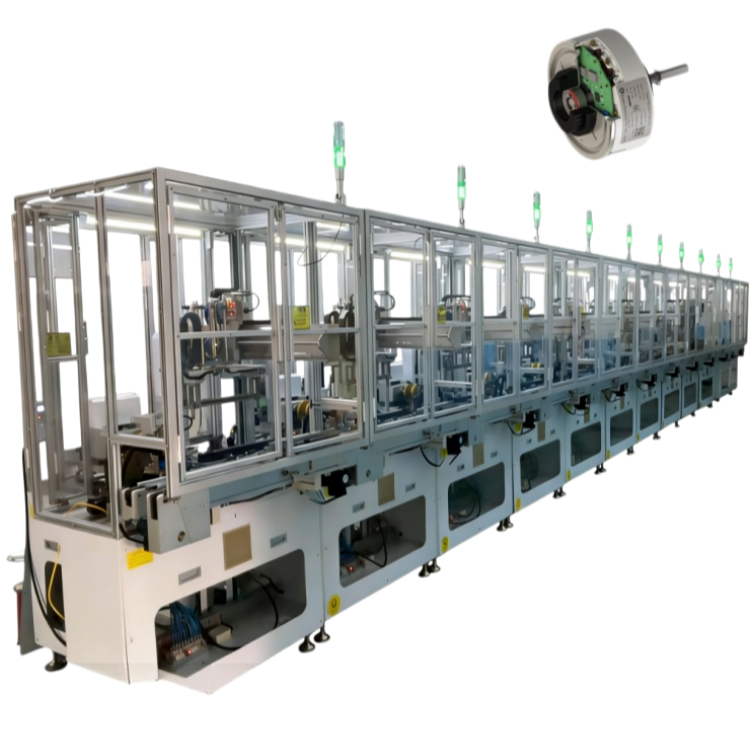
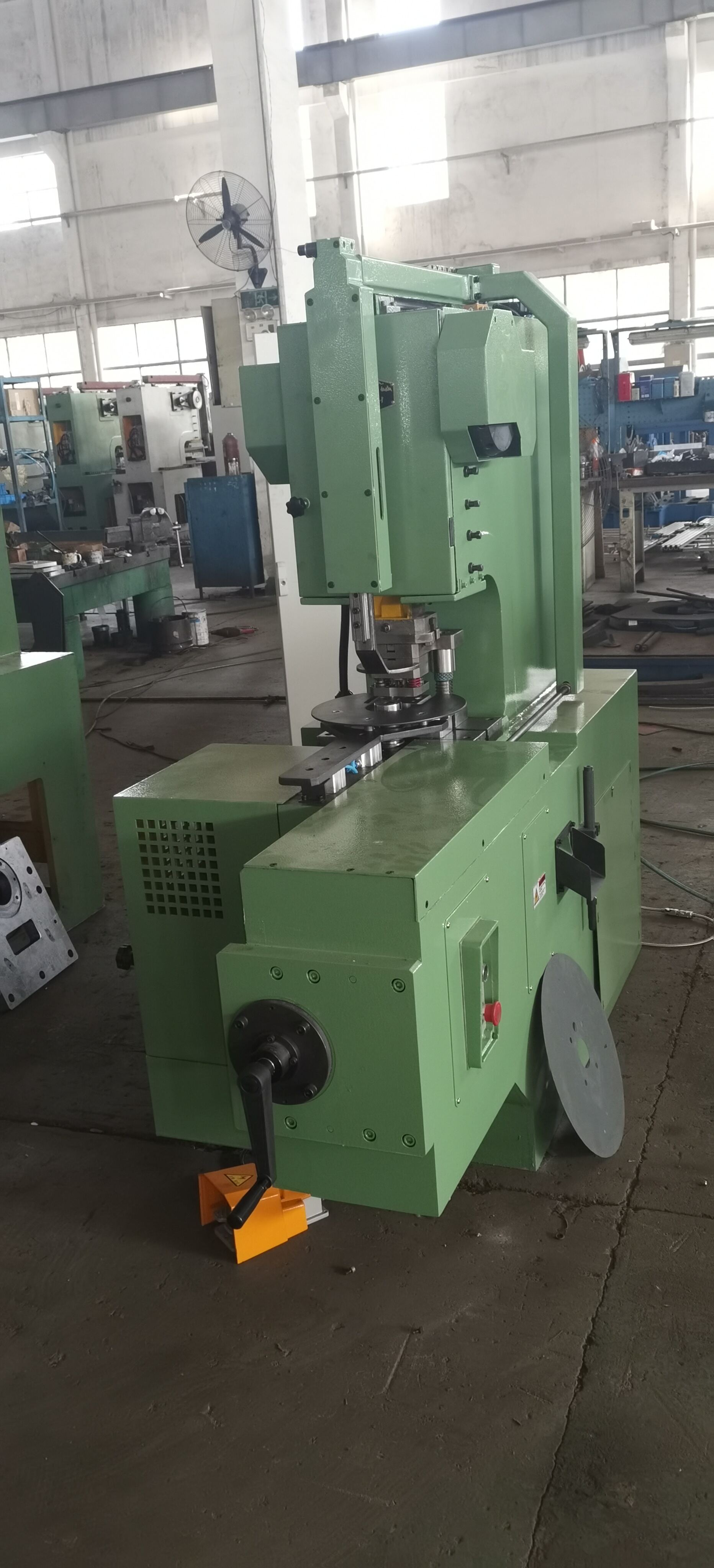
Quality assurance takes center stage in the wheel rim production machine through integrated inspection systems that verify dimensional accuracy and structural integrity throughout the manufacturing process. The quality control framework begins at the material input stage where optical sensors verify material specifications and detect surface defects before processing begins, preventing defective materials from entering the production stream. During the forming process, laser measurement systems continuously monitor rim dimensions in real-time, comparing actual measurements against programmed tolerances and automatically adjusting forming pressure to maintain precision. The wheel rim production machine employs ultrasonic testing modules that detect internal flaws such as voids, inclusions, or incomplete welds that would compromise structural strength but remain invisible to visual inspection. Surface finish is evaluated through automated camera systems that capture high-resolution images of every rim, applying image processing algorithms to identify scratches, dents, discoloration, or coating inconsistencies that could affect appearance or performance. Hardness testing stations verify that heat treatment processes have achieved specified material properties, ensuring rims possess the strength and durability required for their intended applications. Balancing mechanisms integrated into the production line detect weight distribution irregularities that could cause vibration issues when the rim is installed on a vehicle, allowing immediate correction before the rim proceeds to finishing operations. Traceability systems assign unique identifiers to each rim, linking it to production parameters, material lot numbers, operator information, and inspection results for complete accountability throughout the product lifecycle. Statistical process control algorithms analyze quality data trends, identifying gradual shifts in process performance that might indicate tool wear or calibration drift before they result in out-of-specification products. The quality management system generates automated reports documenting compliance with industry standards and customer specifications, simplifying certification processes and customer audits. Reject rates decrease substantially compared to traditional manufacturing methods because defects are identified and corrected immediately rather than discovered after multiple processing steps have added value to defective materials. The comprehensive quality approach embedded in the wheel rim production machine builds customer confidence through consistent delivery of perfect rims that meet or exceed performance expectations. This commitment to quality reduces warranty costs, enhances brand reputation, and opens opportunities in premium market segments where quality commands higher prices and customer loyalty.
 ×


 EN