Դաստանգիտական ավտոմատացում և արդյունավետություն
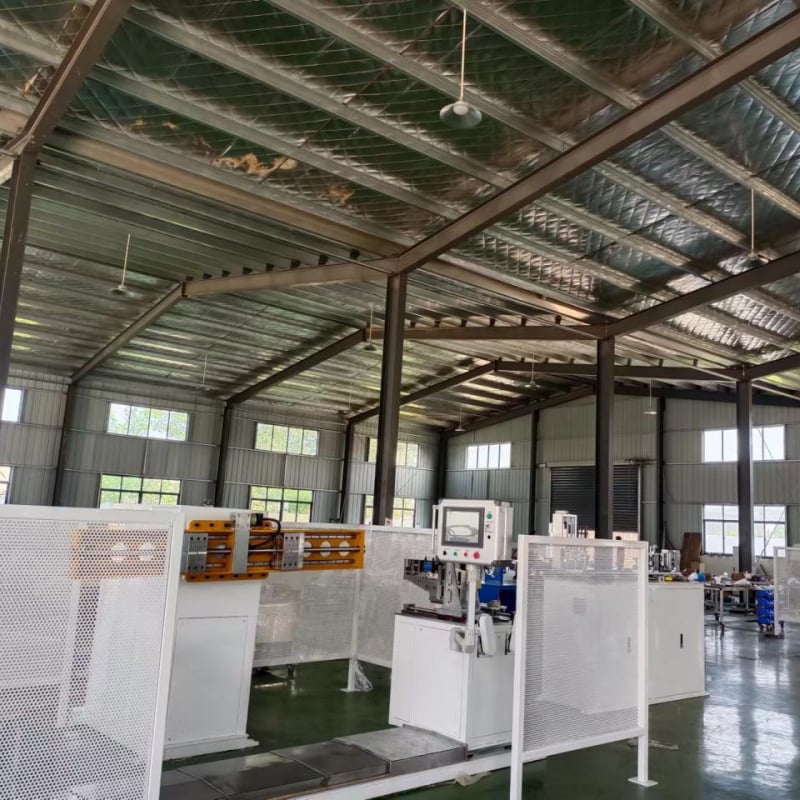
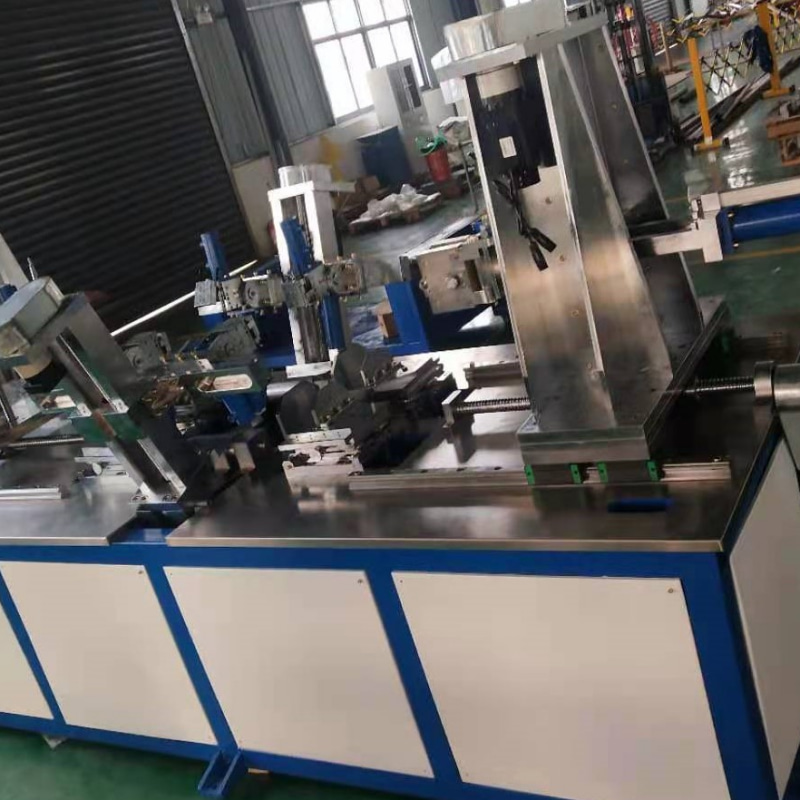
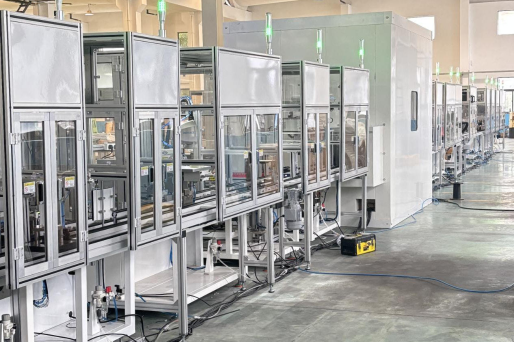
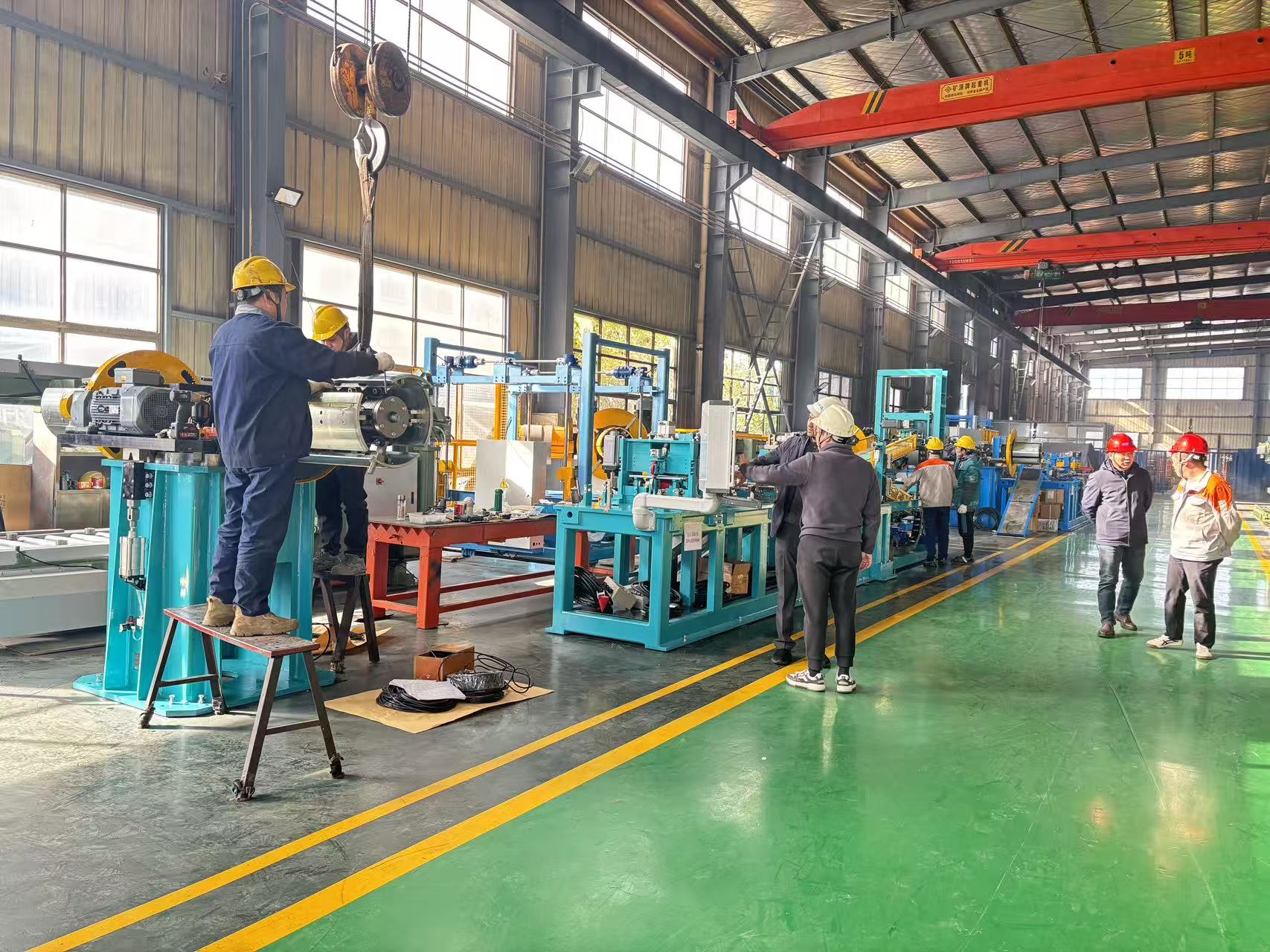
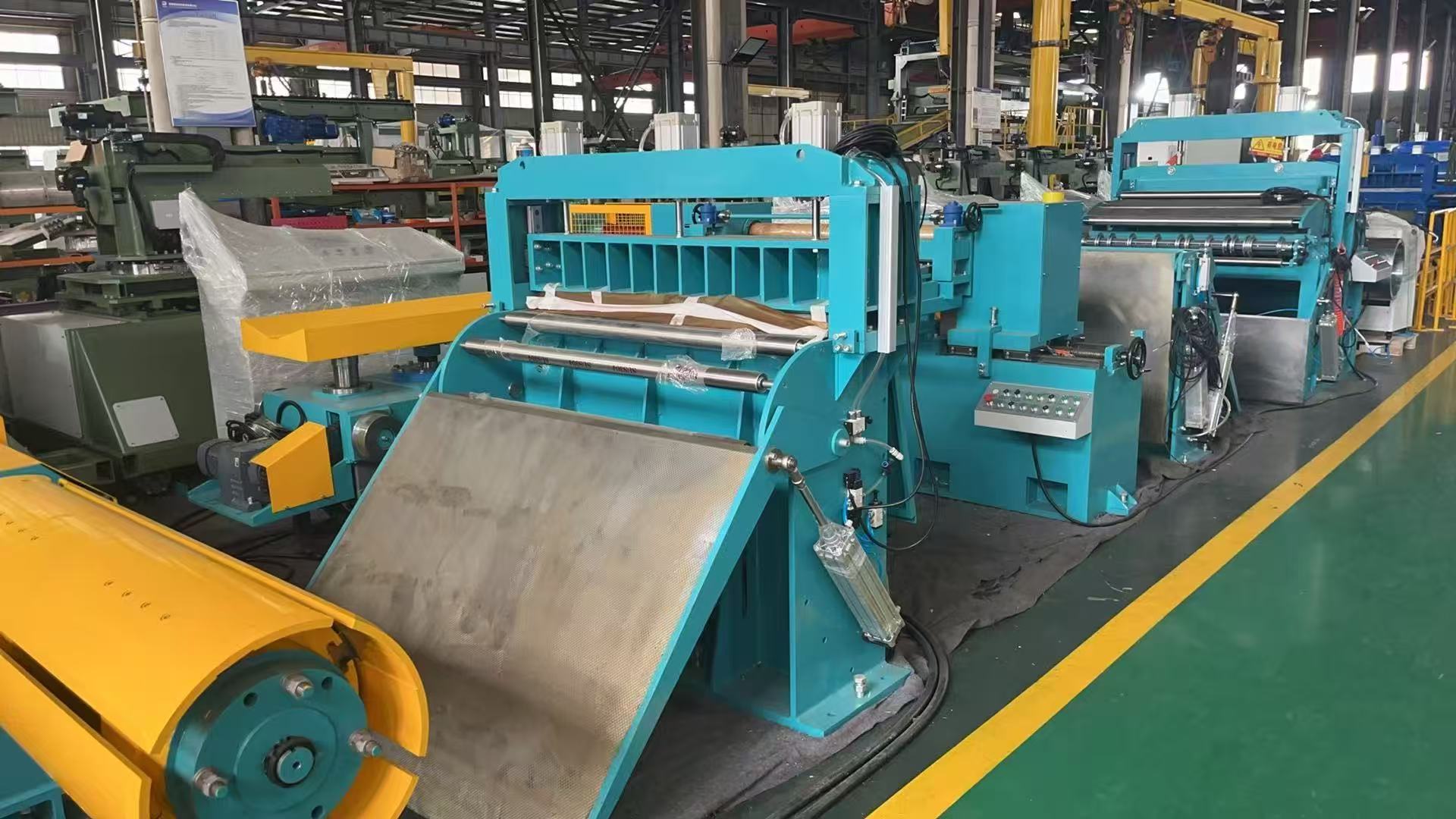
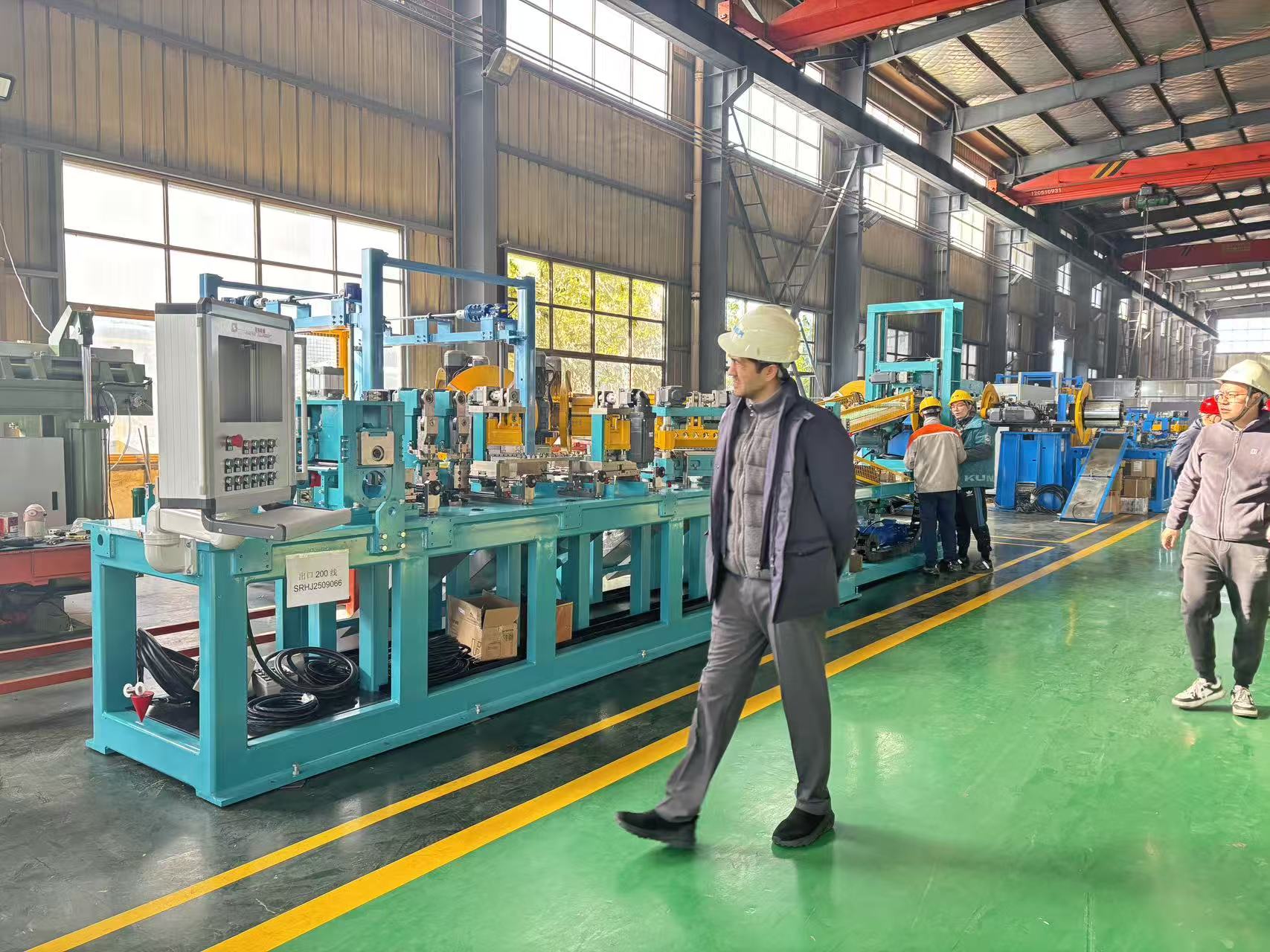
Ժամանակակից երկարությամբ կտրման գծերը ներկայացնում են մետաղամշակման մեջ ինտելեկտուալ ավտոմատացման գագաթնակետը՝ ներառելով առաջադեմ կառավարման համակարգեր, որոնք օպտիմալացնում են արտադրության բոլոր ասպեկտները՝ միաժամանակ նվազեցնելով մարդկային միջամտությունը և մաքսիմալացնելով արտադրողականության արդյունավետությունը: Ավտոմատացման ինտելեկտը սկսվում է մարդ-մեքենայի ինտերֆեյսից, որը սովորաբար տախտակավորված է շուշի վահանակով և օպերատորներին առաջարկում է ինտուիտիվ գրաֆիկական ցուցադրում՝ ցույց տալով իրական ժամանակում արտադրության վիճակը, նյութի հոսքի վիզուալիզացիան և արդյունավետության ցուցանիշները: Օպերատորները կարող են մուտքագրել արտադրանքի սպեցիֆիկացիաները պարզ պարամետրերի մուտքագրման էկրանների միջոցով, իսկ համակարգը ինքնաբերաբար հաշվարկում է օպտիմալ մշակման պարամետրերը՝ ներառյալ հարթացնողի ճնշման կարգավորումները, կտրման հաջորդականությունները և գծի արագության ճշգրտումները՝ հիմնված նյութի հատկությունների և չափսային պահանջների վրա: Այս ավտոմատացված պարամետրերի օպտիմալացումը վերացնում է ենթադրությունների և փորձի վրա հիմնված ճշգրտումները, որոնք բնորոշ են ձեռքով կատարվող գործողություններին, ապահովելով համասեռ արդյունքներ՝ անկախ օպերատորի մասնագիտական մակարդակից: Երկարությամբ կտրման գծերից ստացվող արտադրողականության արդյունավետության աճը պայմանավորված է դրանց կարողությամբ երկար ժամանակահատվածներում անընդհատ աշխատել՝ նվազագույն միջամտությամբ: Ավտոմատացված կոյլերի բեռնման համակարգերը, որոնք սարքավորված են կոյլերի վագոններով կամ վերին կախովի կրաններով, տեղադրում են հիմնական կոյլերը անբացվող մանդրելի վրա, իսկ հիդրավլիկ ընդլայնման մեխանիզմները ապահովում են կոյլի ամրացումը մշակման համար: Կոյլի վերջի եռակցման կայանները կարող են ինքնաբերաբար միացնել մեկ կոյլի վերջը հաջորդ կոյլի սկզբի հետ՝ ստեղծելով անընդհատ արտադրական հոսք, որը վերացնում է կոյլերի փոխարինման ժամանակ առաջացող դադարները: Համակարգը շարունակում է թերթերի կտրումը առաջին կոյլից, մինչդեռ օպերատորները երկրորդ կոյլը պատրաստում են եռակցման համար՝ ապահովելով անընդհատ արտադրանքի արտադրությունը: Ինտեգրված արտադրական կառավարման ծրագրային ապահովումը հետևում է նյութի սպառմանը, հաշվում է վերջնական թերթերի քանակը, հսկում է սարքավորումների արդյունավետությունը և ստեղծում մանրամասն արտադրական զեկույցներ, որոնք տրամադրում են տեսանելիություն գործառնական արդյունավետության վերաբերյալ: Այս տվյալների վրա հիմնված մոտեցումը հնարավորություն է տալիս իրականացնել շարունակական բարելավման նախաձեռնություններ՝ նույնականացնելով սահմանափակումները, քանակականորեն վերլուծելով դադարների պատճառները և չափելով իրական արդյունավետությունը տեսական հզորության համեմատ: Զարգացած երկարությամբ կտրման գծերում ներդրված կանխատեսող սպասարկման հնարավորությունները հսկում են կրիտիկական պարամետրերը՝ ներառյալ հիդրավլիկ ճնշումը, շարժիչների հոսանքի սպառումը, սայլակների ջերմաստիճանը և սրատակի մաշվածության ցուցանիշները: Համակարգը նախազգուշացնում է սպասարկման անձնակազմին մինչև բաղադրիչների անսարքությունների առաջացումը, ինչը թույլ է տալիս պլանային միջամտություններ իրականացնել պլանային սպասարկման ժամանակահատվածներում՝ այլ ոչ սպասված անսարքությունների փոխարեն, որոնք կարող են կանգնեցնել արտադրությունը: Որոշ համակարգեր միացված են հեռավար մոնիտորինգի ցանցերին, որոնք թույլ են տալիս սարքավորումների արտադրողներին առանց վայրում այցելության տրամադրել ախտորոշման աջակցություն և խնդիրների լուծման օգնություն, ինչը նվազեցնում է դադարների տևողությունը՝ երբ առաջանում են տեխնիկական խնդիրներ: Ավտոմատացումը տարածվում է նաև որակի վերահսկման գործառույթների վրա՝ ինտեգրված չափման և զննման համակարգերի միջոցով, որոնք ստուգում են թերթերի չափսերը և հայտնաբերում են մակերեսային թերությունները արտադրության ընթացքում: Ավտոմատացված մերժման մեխանիզմները ուղղում են չհամապատասխանող թերթերը առանձին կույտավորման տարածքներ, այդ կերպ կանխելով այն, որ անորակ նյութը խառնվի որակյալ արտադրանքի հետ և վերացնելով ձեռքով տեսակավորման անհրաժեշտությունը: Վիճակագրական գործընթացի վերահսկման ալգորիթմները իրական ժամանակում վերլուծում են չափման տվյալները՝ նույնականացնելով միտումներ, որոնք ցույց են տալիս զարգացող խնդիրները՝ մինչ դրանք առաջացնեն սպեցիֆիկացիայից դուրս գտնվող նյութ: Էներգախնայողությունը ներկայացնում է մեկ այլ չափանի ինտելեկտուալ ավտոմատացման, որը ներառված է ժամանակակից երկարությամբ կտրման գծերում: Փոփոխական հաճախականության վարիչները ճշգրտում են շարժիչների արագությունները՝ համապատասխանեցնելով այն ակնթարտ բեռնվածության պահանջներին, ինչը նվազեցնում է էներգիայի սպառումը՝ համեմատած անընդհատ առավելագույն հզորությամբ աշխատող ֆիքսված արագությամբ համակարգերի հետ: Ռեգեներատիվ արագության նվազեցման համակարգերը վերականգնում են էներգիան դանդաղեցման փուլերում և վերադարձնում են այն էլեկտրական համակարգին, ինչը հետագայում նվազեցնում է շահագործման ծախսերը՝ միաժամանակ աջակցելով շրջակա միջավայրի պահպանման նախաձեռնություններին:
 ×
×


 EN
EN