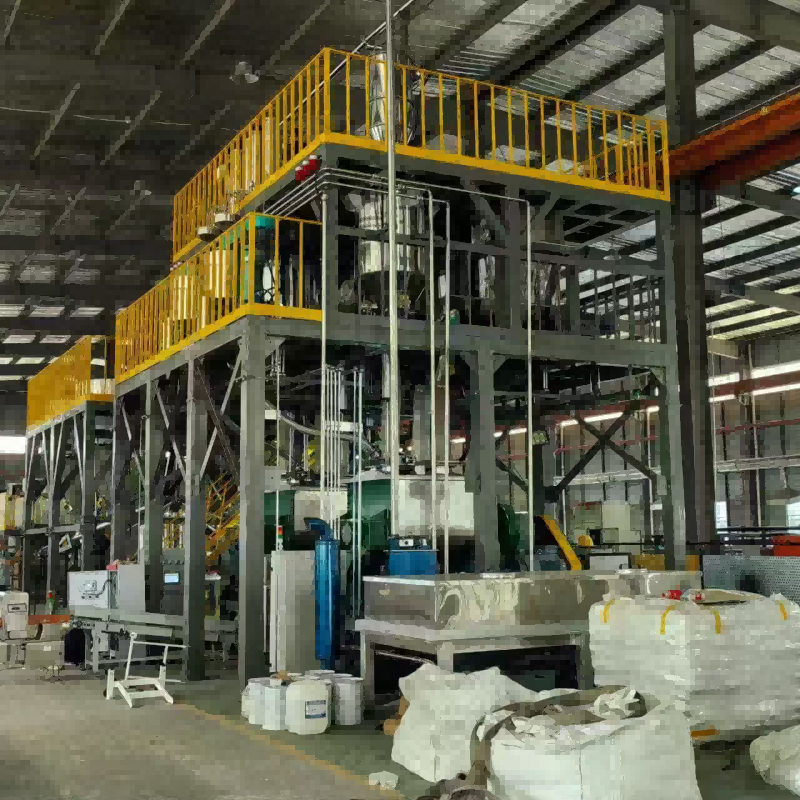
High Voltage Motor Winding Machine - Precision Automated Coil Winding Solutions for Industrial Motors

Get a Free Quote

Our representative will contact you soon.
Email
Name
Mobile/WhatsApp
Company Name
Message
0/1000

high voltage motor winding machine

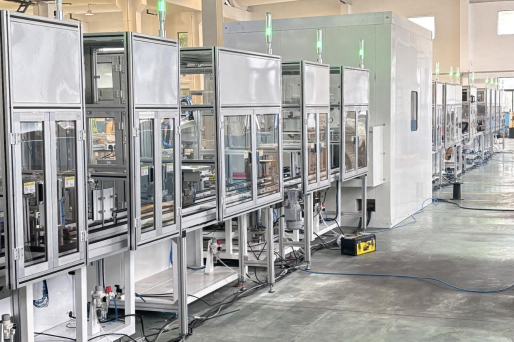
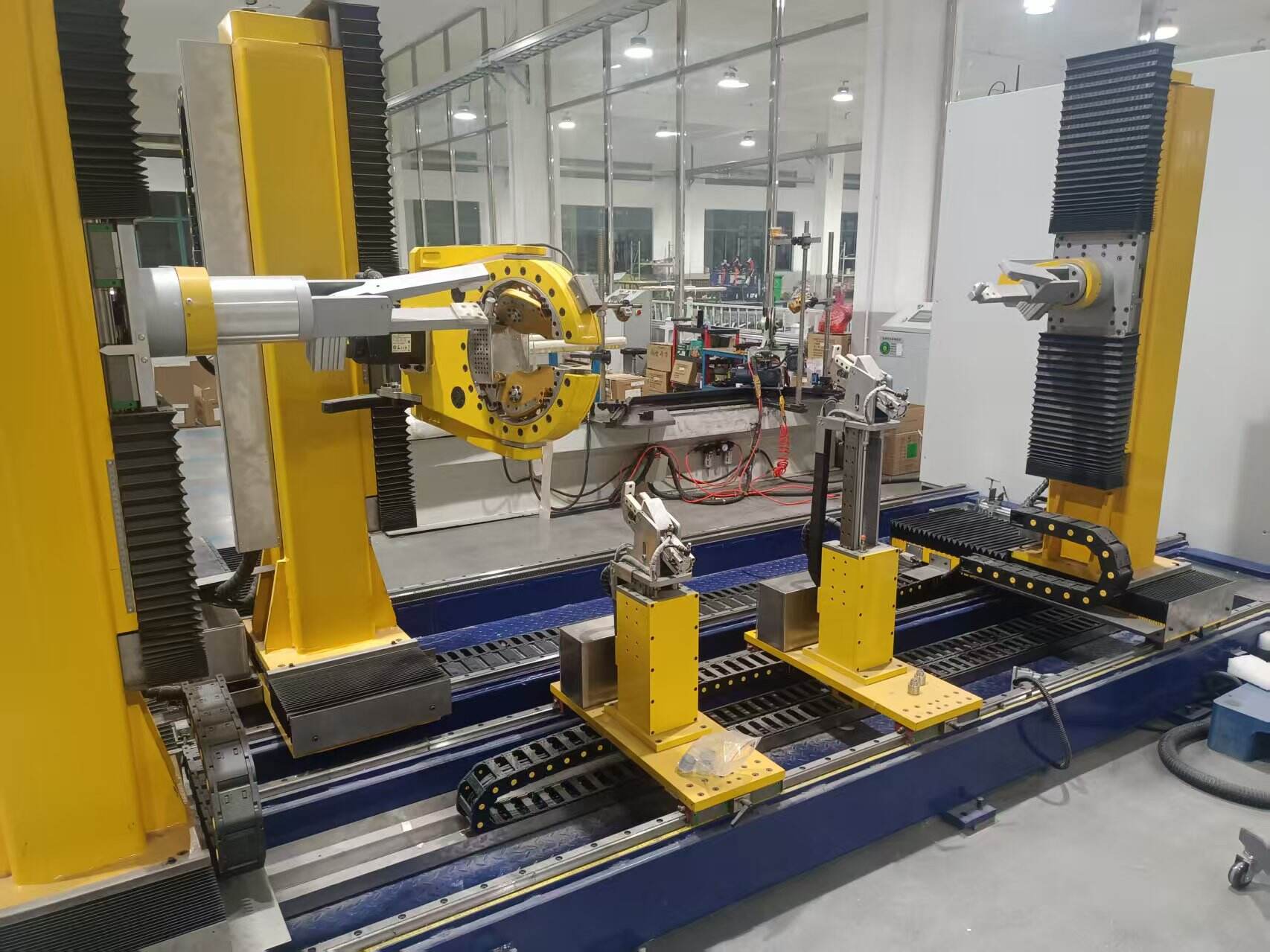
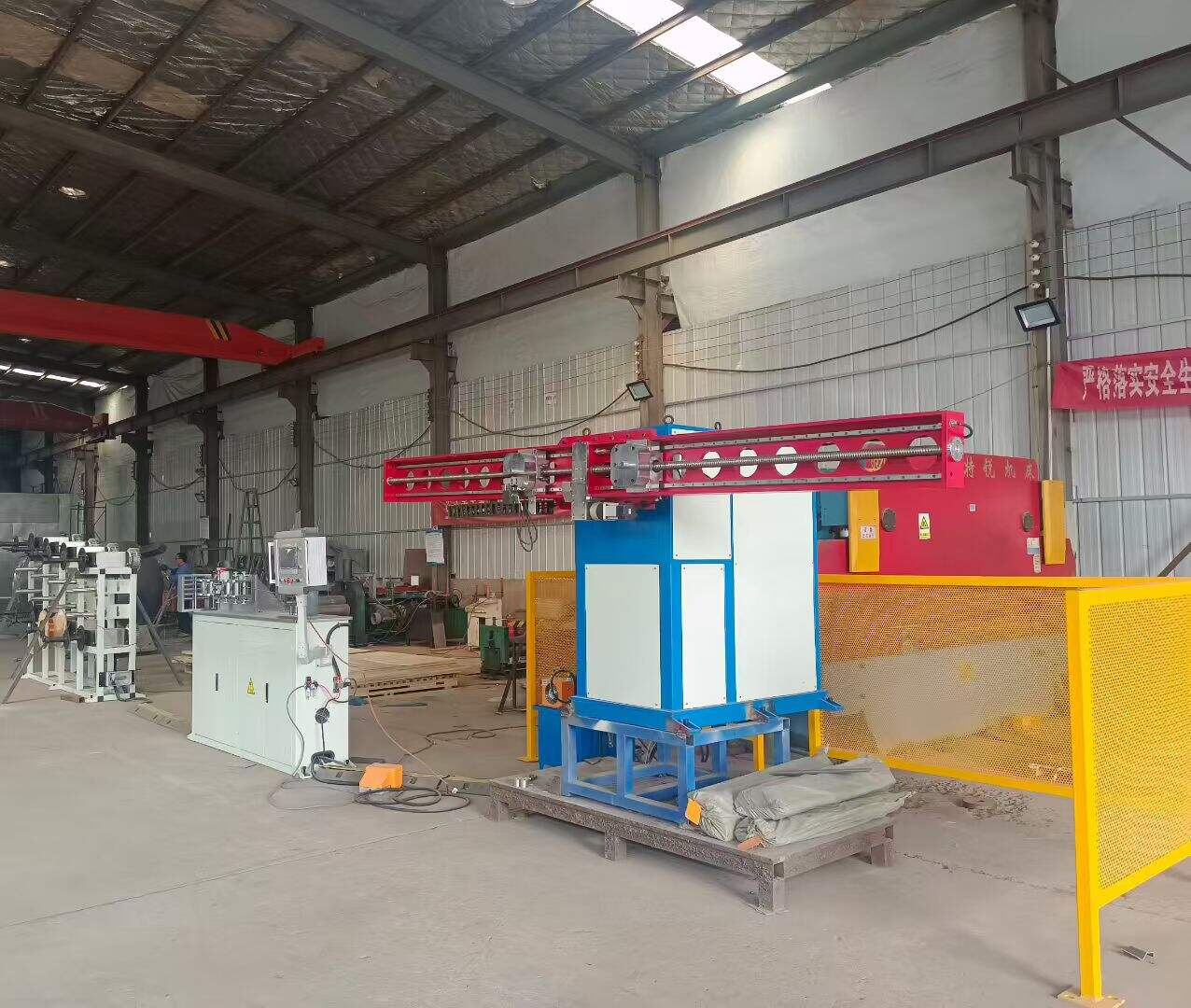
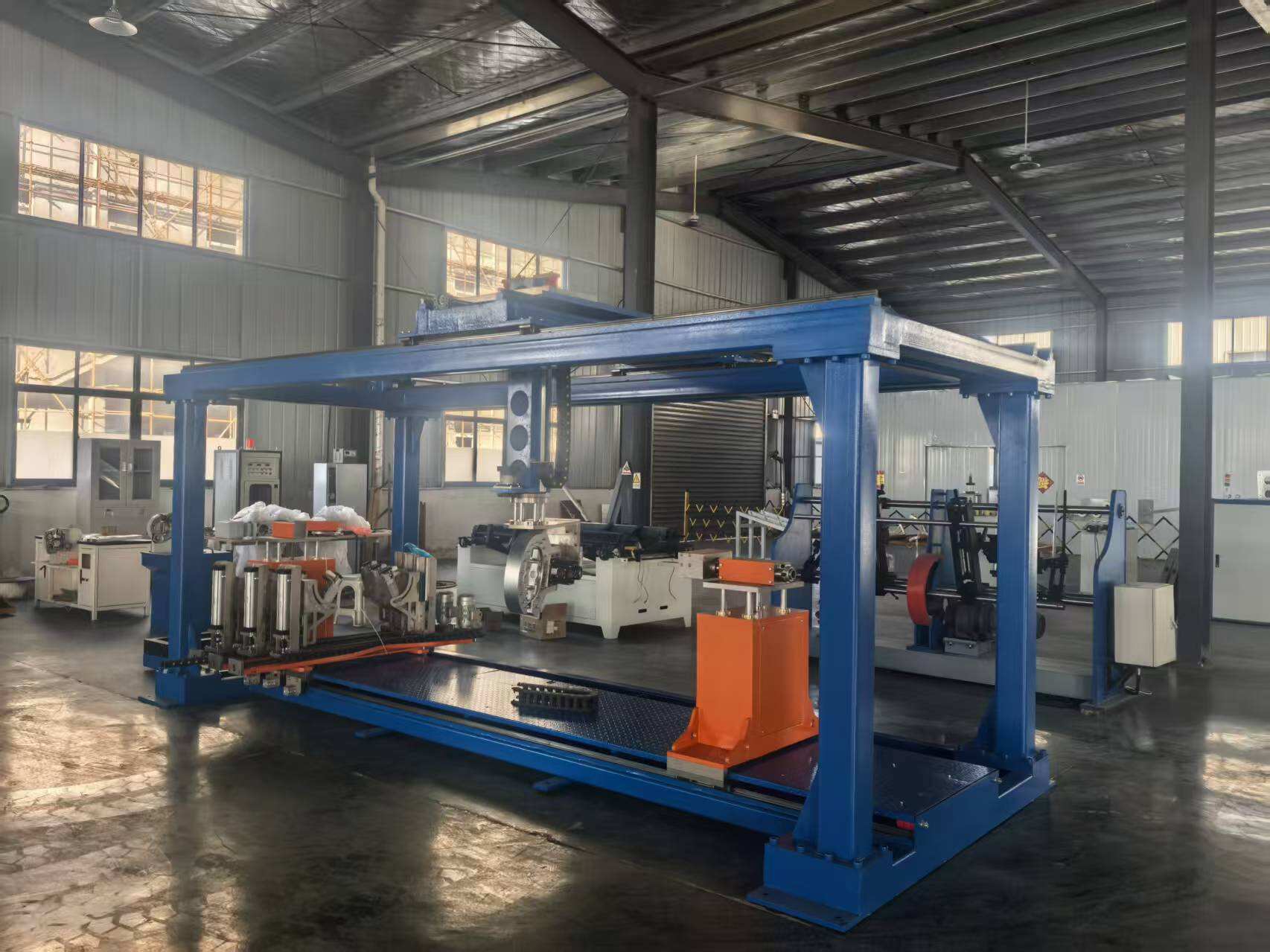
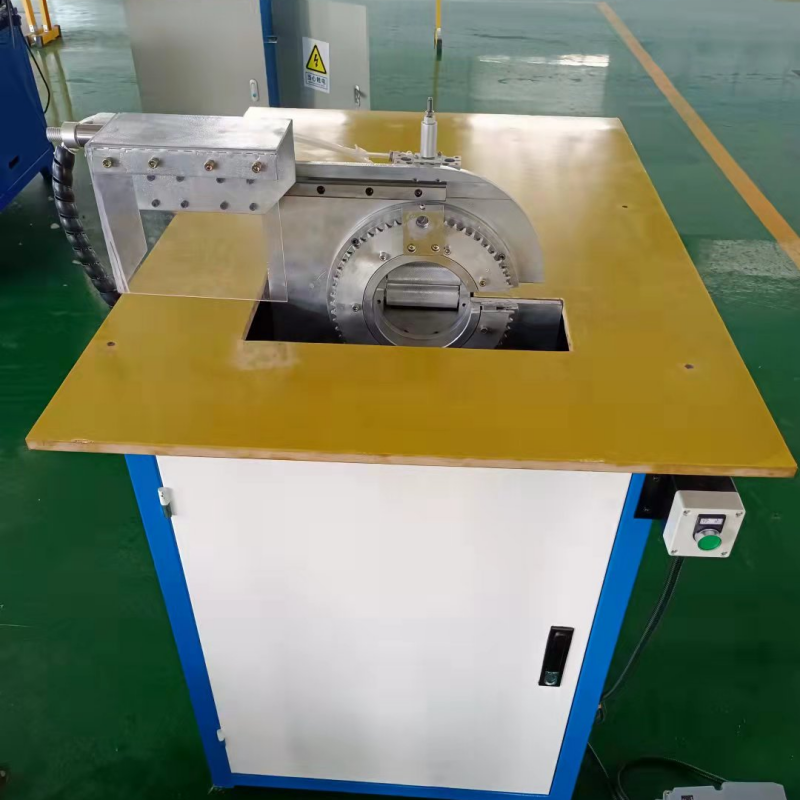
A high voltage motor winding machine represents a sophisticated piece of manufacturing equipment designed specifically for the precise winding of coils used in high voltage electric motors. These specialized machines automate the complex process of wrapping copper or aluminum wire around motor stators and rotors, ensuring consistency and accuracy that manual methods cannot achieve. The primary function of a high voltage motor winding machine centers on creating uniform, tightly wound coils that can withstand the electrical and mechanical stresses inherent in high voltage applications, typically ranging from 1000 volts to over 13,000 volts. Modern high voltage motor winding machines incorporate advanced servo motor systems, programmable logic controllers, and precision tensioning mechanisms that work together to maintain optimal wire tension throughout the winding process. The technological features of these machines include automated wire feeding systems, adjustable winding speeds, programmable winding patterns, and integrated quality control sensors that monitor each turn for proper placement and tension. Many contemporary models also feature touchscreen interfaces that allow operators to easily input specifications, select pre-programmed winding patterns, and monitor real-time production data. The applications for high voltage motor winding machines span numerous industries, including power generation facilities, large-scale manufacturing plants, marine propulsion systems, mining operations, and industrial processing facilities where high voltage motors drive critical equipment. These machines prove essential in producing motors for industrial pumps, compressors, conveyors, crushers, mills, and other heavy-duty applications. The versatility of a high voltage motor winding machine extends to various motor types, including synchronous motors, asynchronous motors, and specialized designs for specific industrial requirements. Manufacturing facilities that produce or repair high voltage motors rely on these winding machines to maintain production efficiency, ensure product quality, and meet the stringent electrical specifications required for high voltage applications. The precision offered by automated winding technology significantly reduces the risk of insulation breakdown, short circuits, and premature motor failure that can result from improperly wound coils.
New Product Releases

Investing in a high voltage motor winding machine delivers substantial benefits that directly impact your production capabilities and bottom line. First and foremost, these machines dramatically increase production speed compared to manual winding methods, allowing you to complete motor projects in a fraction of the time while maintaining superior quality standards. The automated nature of the high voltage motor winding machine eliminates human error and fatigue factors, ensuring that every coil you produce meets exact specifications regardless of production volume or operator shift changes. This consistency translates directly into reduced warranty claims and enhanced reputation for reliability among your customers. The precision tensioning systems built into modern machines protect your wire inventory from damage during the winding process, minimizing material waste and reducing your raw material costs over time. You will notice immediate improvements in wire utilization rates, as the machine calculates optimal paths and eliminates the overlaps and gaps common in manual winding. Labor cost reduction represents another significant advantage, as a single operator can manage the high voltage motor winding machine while it completes complex winding patterns that would otherwise require multiple skilled technicians. This efficiency allows you to redirect your workforce toward other value-adding activities within your facility. The programmable memory features enable you to store unlimited winding patterns, eliminating setup time when switching between different motor specifications and allowing rapid response to customer orders. Quality improvements extend beyond just winding precision; the controlled environment within the machine protects sensitive insulation materials from contamination and damage during handling. Your finished motors will demonstrate improved electrical characteristics, including better balance, lower resistance, and enhanced thermal performance. The data logging capabilities provide complete traceability for each motor you produce, supporting quality certifications and regulatory compliance requirements. Maintenance costs decrease significantly because properly wound motors experience less mechanical stress and generate less heat during operation, extending service life and reducing field failures. The flexibility of a high voltage motor winding machine accommodates various wire gauges, insulation types, and coil configurations, allowing you to expand your product offerings without purchasing multiple specialized tools. Training new operators becomes simpler with intuitive controls and automated processes, reducing the skill gap and allowing faster integration of new team members. The return on investment typically materializes within the first year of operation through combined savings in labor, materials, and quality-related costs, while positioning your facility for sustainable growth in the competitive motor manufacturing market.

Tips And Tricks

January 15th, 2026 Air Conditioner BLDC Motor Production line Dispatch to India

08

Apr

January 15th, 2026 Air Conditioner BLDC Motor Production line Dispatch to India

View More
August 30th, 2025, 45W Air conditioner ODU BLDC motor Assembly line Inspection From India customer

08

Apr

August 30th, 2025, 45W Air conditioner ODU BLDC motor Assembly line Inspection From India customer

View More
January 5th , 2026 CNC Coil Forming Machine For High Voltage Motors dispatched to UZ (Uzbekistan)

07

Apr

January 5th , 2026 CNC Coil Forming Machine For High Voltage Motors dispatched to UZ (Uzbekistan)

View More

Get a Free Quote

Our representative will contact you soon.
Email
Name
Mobile/WhatsApp
Company Name
Message
0/1000

high voltage motor winding machine

Advanced Precision Control Systems for Flawless Coil Formation

Advanced Precision Control Systems for Flawless Coil Formation

The precision control systems integrated into a high voltage motor winding machine represent the technological foundation that separates professional-grade equipment from basic alternatives. At the heart of this capability lies a sophisticated servo motor system that manages wire placement with micrometer-level accuracy, ensuring each turn sits exactly where specified in your design parameters. This precision matters tremendously in high voltage applications where even minor irregularities in coil geometry can create hot spots, voltage stress concentrations, or premature insulation breakdown. The control system continuously monitors and adjusts wire tension throughout the entire winding cycle, compensating automatically for variations in wire diameter, spool resistance, and ambient conditions that would otherwise compromise coil quality. Modern high voltage motor winding machines employ closed-loop feedback mechanisms that verify each completed turn before proceeding to the next, catching potential issues immediately rather than discovering problems after completing an entire coil. This real-time verification dramatically reduces scrap rates and prevents the waste of expensive high-grade wire and insulation materials. The programmable logic controller at the core of the system allows you to define complex winding patterns that accommodate the unique geometries of different motor designs, including multi-pole configurations, varying slot depths, and specialized cooling channel arrangements. Operators can adjust winding speeds dynamically to accommodate different sections of the coil, slowing for critical transition areas and increasing speed for straightforward sections to optimize cycle time without sacrificing quality. The tension control specifically addresses one of the most challenging aspects of motor winding, maintaining consistent wire tension prevents loose coils that can vibrate during operation and overly tight windings that stress the wire and insulation. Temperature sensors integrated into the wire path monitor for friction-generated heat that could damage insulation coatings before the wire even reaches the stator slot. The indexing accuracy of the machine ensures proper distribution of coils around the stator circumference, critical for balanced magnetic fields and smooth motor operation. These precision control systems also enable the high voltage motor winding machine to handle the delicate rectangular wire increasingly used in high-efficiency motor designs, where proper edge alignment becomes crucial for maximizing slot fill and thermal performance. The cumulative effect of these precision features means your finished motors exhibit superior electrical characteristics, balanced performance, and extended service life that directly translates into customer satisfaction and competitive advantage in the marketplace.
Versatile Configuration Options for Diverse Production Requirements

Versatile Configuration Options for Diverse Production Requirements

The versatility built into modern high voltage motor winding machines empowers manufacturers to address a broad spectrum of production requirements with a single piece of equipment, maximizing capital investment efficiency. This adaptability begins with adjustable tooling systems that accommodate motor stators ranging from compact industrial sizes to massive generators used in power plants, with quick-change fixtures that minimize downtime when switching between product lines. The wire handling system accepts multiple wire gauges without requiring extensive reconfiguration, allowing you to wind fine wires for smaller motors and heavy conductors for large industrial applications using the same machine platform. This flexibility proves particularly valuable for job shops and repair facilities that encounter diverse motor specifications and cannot justify maintaining separate specialized equipment for each motor type. The high voltage motor winding machine typically offers multiple winding modes, including lap winding, wave winding, and concentric patterns, each optimized for specific motor designs and performance characteristics. Manufacturers can select the appropriate mode through simple software interface changes rather than mechanical modifications, dramatically reducing setup complexity and potential for errors. The programmable nature of contemporary machines allows storage of unlimited motor specifications in digital libraries, enabling rapid recall of previous jobs and consistent reproduction of successful winding patterns across multiple production runs. This digital memory eliminates the need for paper records and reduces the tribal knowledge dependency that creates vulnerability when experienced operators retire or leave your organization. Many high voltage motor winding machines include modular expansion options that allow you to add capabilities as your business grows, such as automatic wire cutting and terminating systems, integrated testing modules, or robotic loading mechanisms for lights-out manufacturing. The control interfaces support multiple language options and measurement systems, facilitating deployment in international facilities and accommodating diverse workforce backgrounds. Wire type compatibility extends beyond just copper and aluminum to include various insulation systems, from traditional enamel coatings to modern high-temperature polyimide films required for demanding applications. The machine geometry accommodates both internal and external winding approaches, depending on motor design and accessibility considerations. Adjustable wire guides and distribution mechanisms ensure proper spacing between turns and layers regardless of coil configuration, maintaining insulation integrity throughout the structure. This comprehensive versatility means your investment in a high voltage motor winding machine provides long-term value that adapts to evolving market demands, new motor technologies, and changing customer specifications without becoming obsolete or requiring replacement as your business portfolio expands into new motor categories and voltage classifications.
Enhanced Safety Features and Operator Protection Systems

Enhanced Safety Features and Operator Protection Systems

Safety considerations take paramount importance in high voltage motor winding machine design, as these devices handle heavy rotating components, high-tension wire under significant mechanical stress, and equipment destined for high voltage service where manufacturing defects could create catastrophic failures. Modern machines incorporate multiple layers of protective systems that shield operators from potential hazards while ensuring compliance with international workplace safety standards and regulations. Emergency stop mechanisms positioned at multiple locations around the machine perimeter provide immediate shutdown capability regardless of where an operator stands, with large, easily identifiable buttons that require no searching during urgent situations. Interlocked safety guards prevent machine operation when access panels remain open, eliminating the possibility of contact with moving components during the winding cycle. These guards typically employ transparent polycarbonate materials that allow operators to observe the winding process without compromising protection, supporting quality monitoring while maintaining safety. The high voltage motor winding machine includes overload protection systems that detect excessive wire tension, binding, or mechanical resistance and automatically halt operation before damage occurs to the equipment, workpiece, or wire supply. These intelligent monitoring systems prevent the catastrophic unwinding or wire breakage that can create dangerous whipping hazards and costly material loss. Wire path guarding encloses the entire wire routing from supply spool through tensioning systems to the winding head, preventing operator contact with moving wire that could cause cuts or entanglement injuries. The controlled wire feeding mechanism eliminates the manual handling required in older winding approaches, where operators risked repetitive stress injuries from continuous manipulation of heavy wire spools. Ergonomic design principles inform the layout of control stations, positioning interface screens and input devices at comfortable heights and angles that reduce operator fatigue during extended production shifts. The reduced physical demands of operating a modern high voltage motor winding machine compared to manual methods translate directly into fewer workplace injuries, lower workers compensation costs, and improved employee satisfaction and retention. Electrical safety features include proper grounding systems, isolation of control circuits from power circuits, and compliance with electrical codes applicable to industrial equipment. Noise reduction engineering addresses the acoustic environment, incorporating sound-dampening materials and optimized mechanical designs that maintain workplace noise levels within acceptable limits, protecting long-term hearing health. The automated nature of the winding process removes operators from proximity to the work zone during active machine cycles, providing inherent distance-based protection from any unexpected mechanical issues. Training requirements decrease with intuitive interfaces and automated safety checks that guide operators through proper procedures and prevent operation when conditions fall outside safe parameters, reducing the risk of injuries caused by inexperience or procedural errors that plague manual winding operations.

Get a Free Quote

Our representative will contact you soon.
Email
Name
Mobile/WhatsApp
Company Name
Message
0/1000