Automated Production Efficiency That Transforms Manufacturing Economics
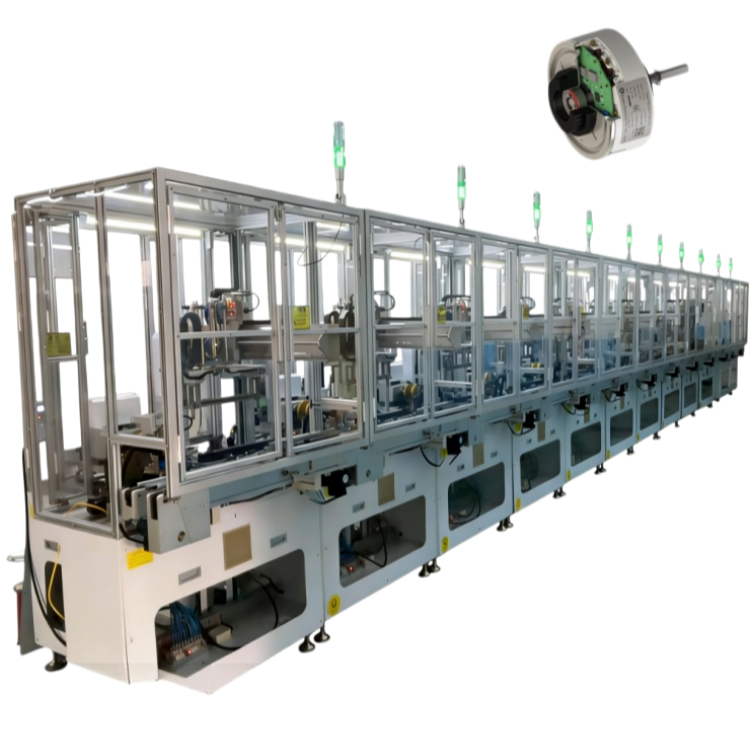
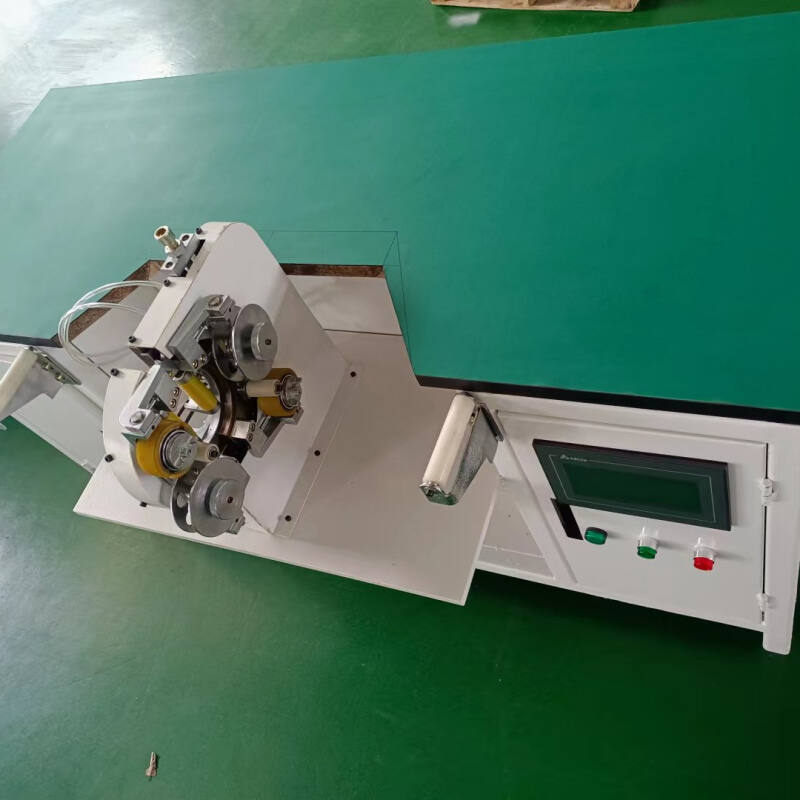
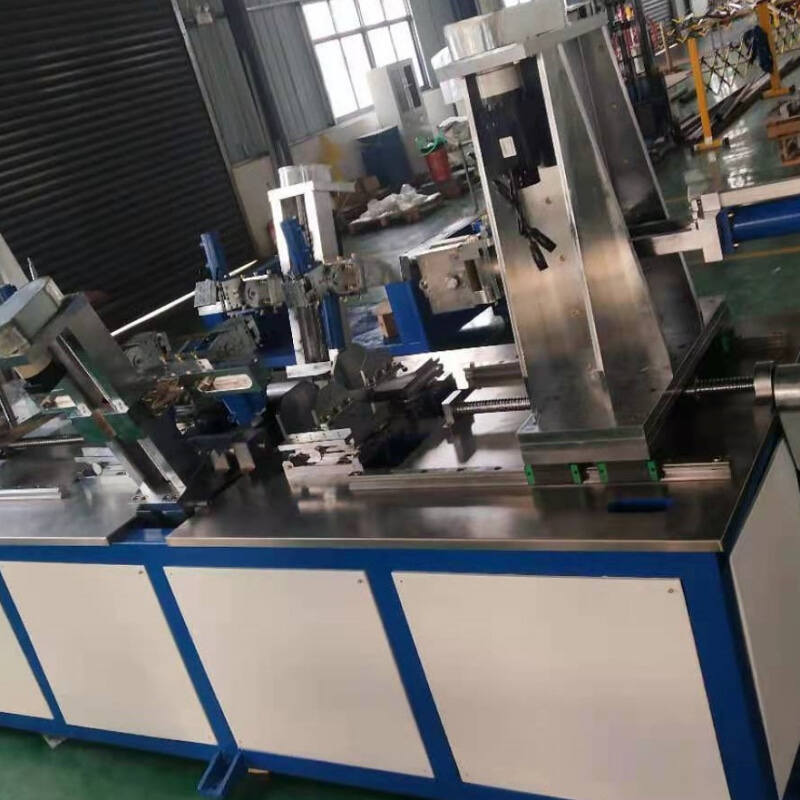
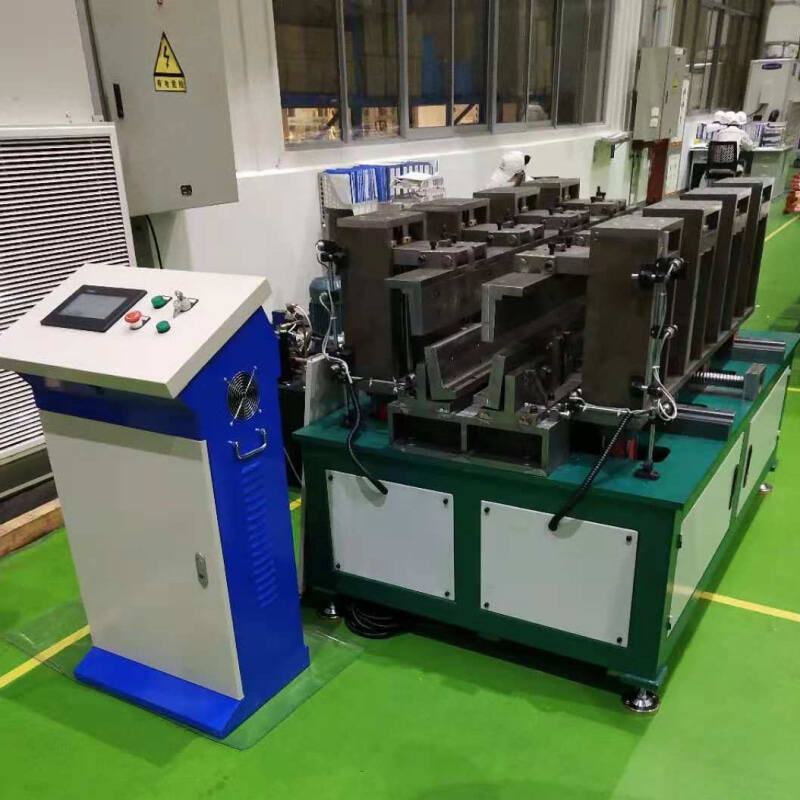
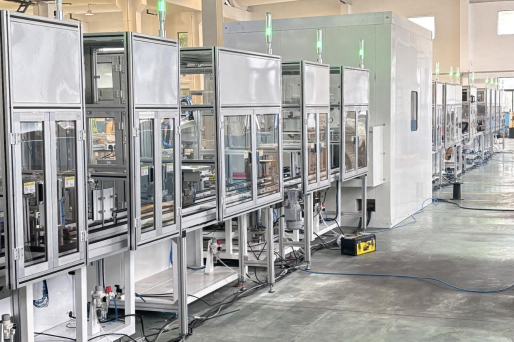
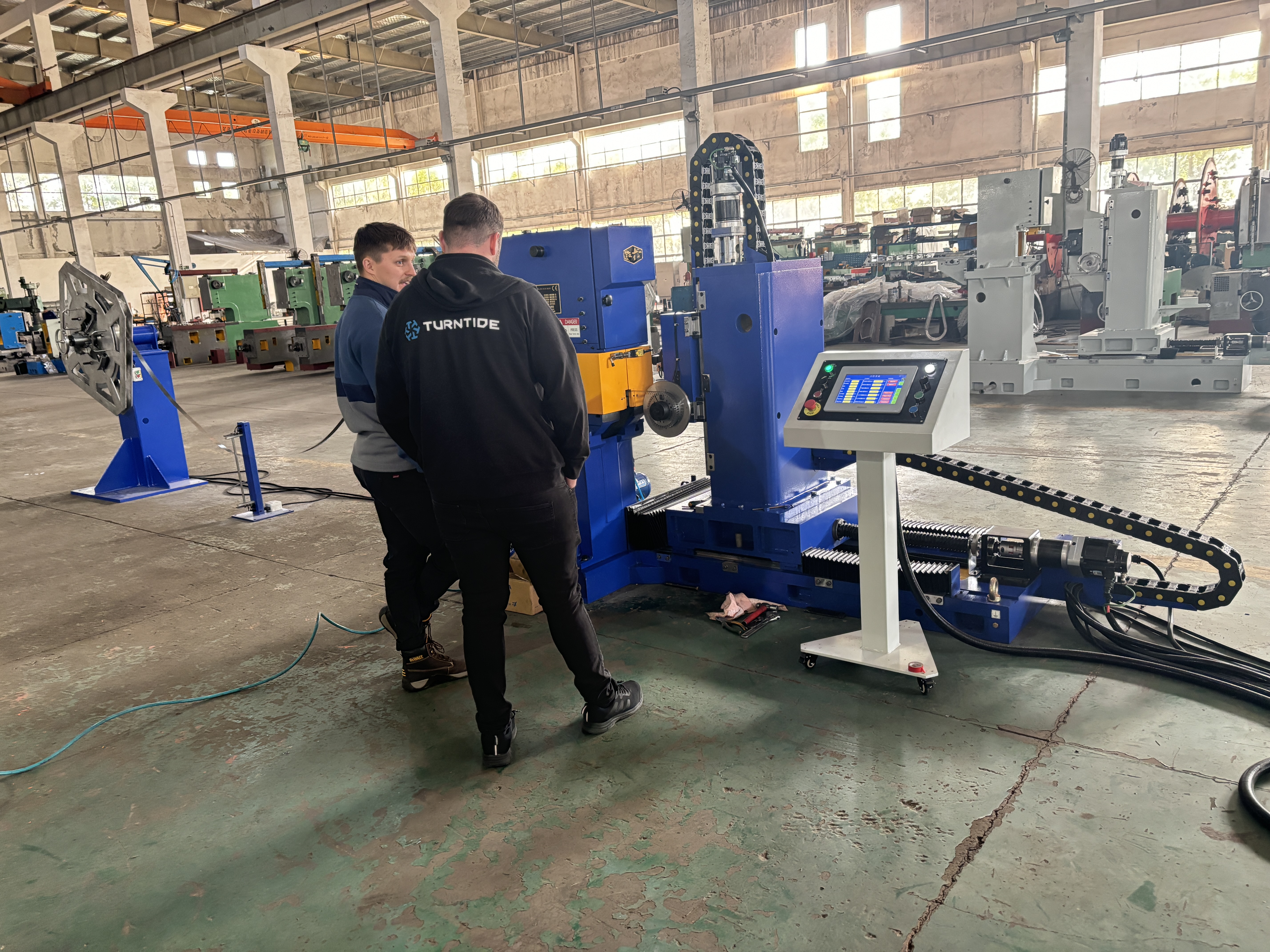
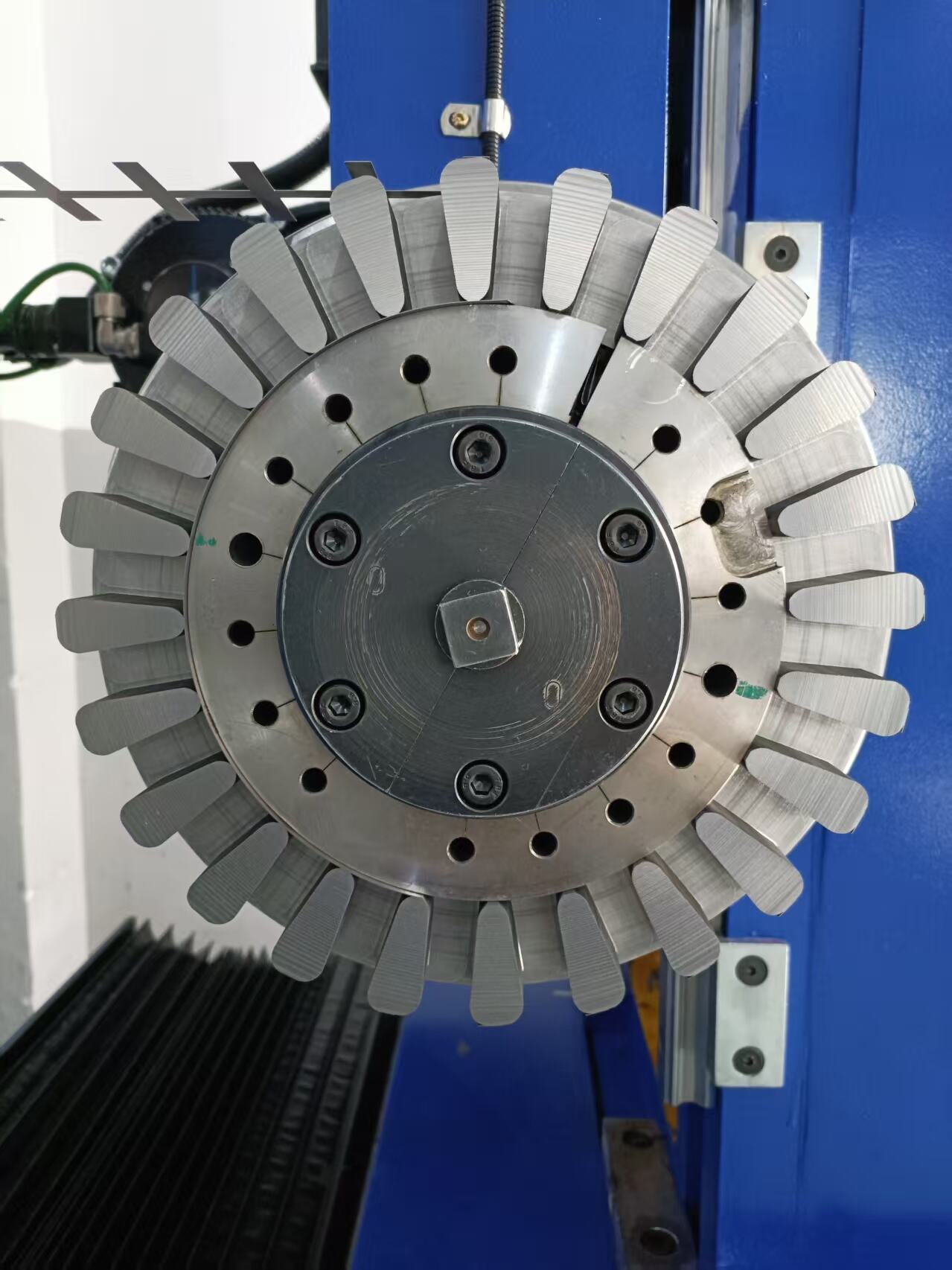
The automation capabilities embedded within the axial flux motor stator lamination machine fundamentally transform manufacturing economics by replacing labor-intensive manual processes with continuous automated production. This transformation extends far beyond simple speed increases, encompassing reliability, consistency, and operational flexibility that manual methods cannot match. The equipment operates with minimal human intervention once production parameters are established and materials are loaded. Automated feeding systems draw electrical steel from material coils or sheet stacks, eliminating the need for operators to manually position each workpiece. This continuous feeding capability enables uninterrupted production runs lasting hours or entire shifts, multiplying output compared to manual operations where workers must individually handle each component. The machine maintains consistent production pace regardless of shift changes, operator experience levels, or external factors that affect human performance. Whether running during first shift or overnight operations, output quality and quantity remain stable, providing predictable production scheduling that helps you reliably meet customer delivery commitments. Integration capabilities allow the axial flux motor stator lamination machine to connect with broader manufacturing execution systems, enabling centralized production monitoring and data collection. Managers can track real-time production metrics, identify efficiency opportunities, and make informed decisions based on accurate operational data rather than estimates or delayed reports. Automated tool changing systems in advanced machines switch between different cutting dies or processing configurations without requiring manual intervention, reducing changeover times and enabling efficient production of multiple stator designs within single shifts. This flexibility supports just-in-time manufacturing strategies where production schedules respond dynamically to actual demand rather than relying on large inventory buffers. Predictive maintenance features monitor machine condition continuously, tracking operating parameters that indicate developing problems before they cause failures. Sensors measure vibration, temperature, hydraulic pressure, and other indicators, comparing current readings against established baselines. When values drift outside normal ranges, the system alerts maintenance personnel to investigate potential issues during scheduled downtime rather than experiencing unexpected breakdowns during production runs. This proactive approach maximizes equipment availability and prevents costly emergency repairs. The economic impact of this automation extends throughout your operation. Reduced labor requirements lower direct manufacturing costs while eliminating the recruitment, training, and retention challenges associated with maintaining large production workforces. Consistent quality reduces inspection requirements, rework expenses, and warranty claims. Faster production enables you to fulfill orders more quickly, improving cash flow and customer satisfaction simultaneously.
 ×


 EN