Vacuum Impregnation Equipment: Advanced Sealing Solutions for Industrial Manufacturing Quality

Get a Free Quote

Our representative will contact you soon.
Email
Name
Mobile/WhatsApp
Company Name
Message
0/1000

vacuum impregnation equipment

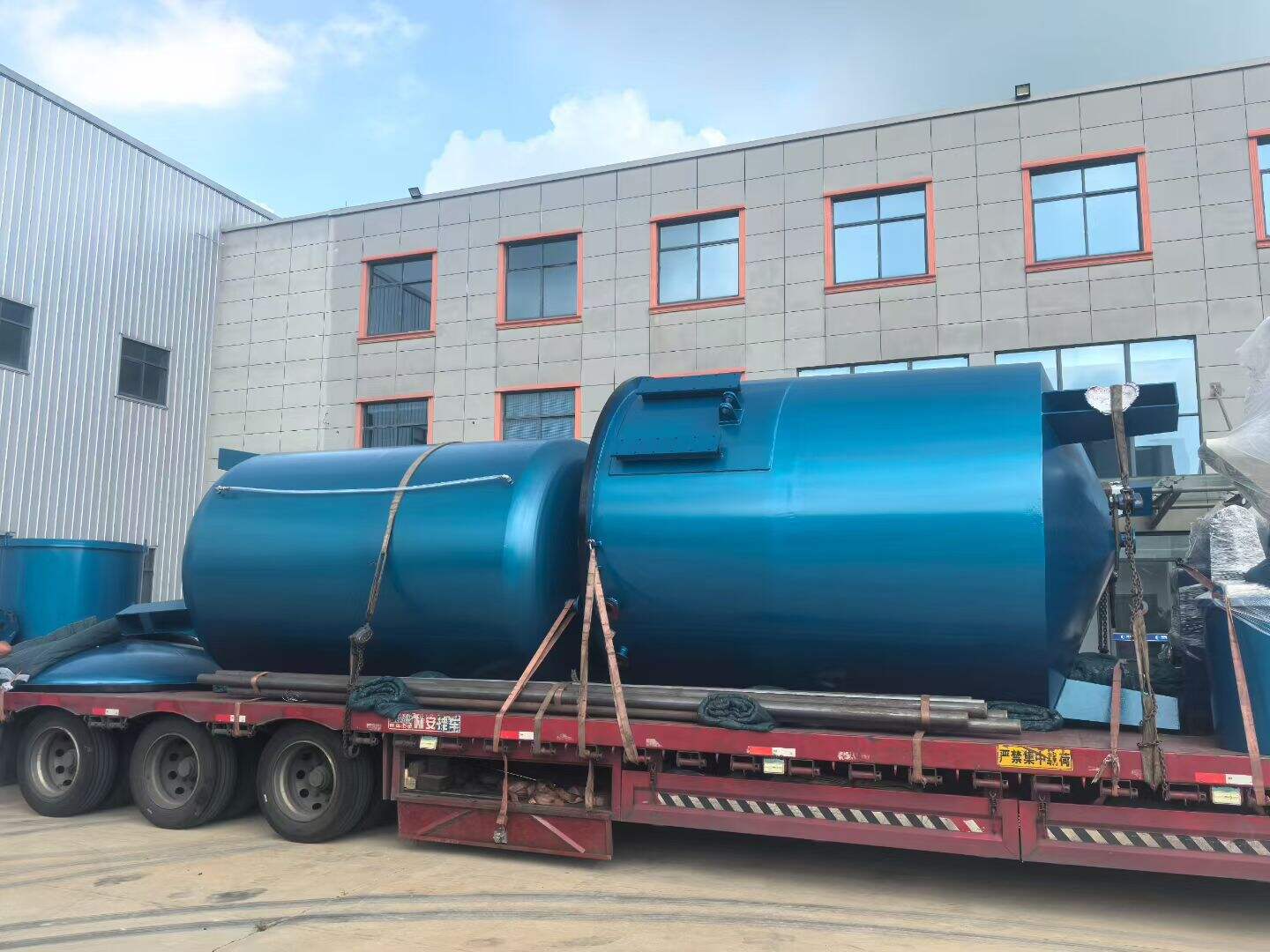
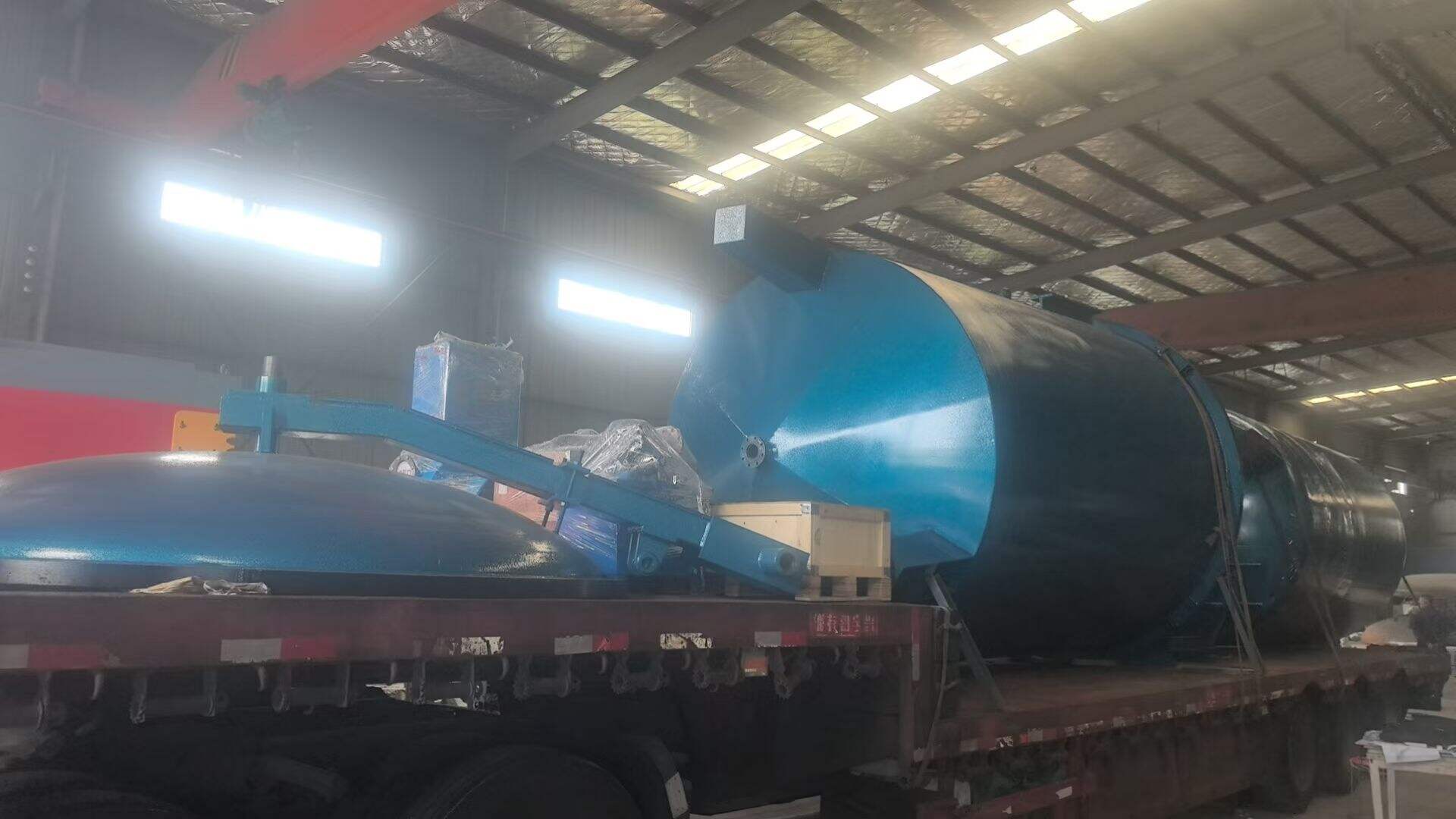
Vacuum impregnation equipment represents a sophisticated industrial solution designed to enhance the quality and performance of porous materials through a specialized sealing process. This advanced machinery operates by removing air and moisture from microscopic pores within components before introducing sealant materials under controlled pressure conditions. The primary function of vacuum impregnation equipment centers on eliminating internal voids, cracks, and porosity in manufactured parts, thereby improving their structural integrity and functional capabilities. The technological features of this equipment include precision vacuum chambers, automated control systems, temperature regulation mechanisms, and filtration units that work in harmony to deliver consistent results. Modern vacuum impregnation equipment incorporates programmable logic controllers that allow operators to customize processing parameters according to specific material requirements and production demands. The equipment typically consists of several key components: a robust vacuum chamber constructed from corrosion-resistant materials, high-performance vacuum pumps capable of achieving deep vacuum levels, heating and cooling systems for temperature management, and advanced resin handling systems. Applications for vacuum impregnation equipment span numerous industries including automotive manufacturing, aerospace component production, electrical motor assembly, powdered metallurgy operations, and casting facilities. In automotive sectors, this equipment treats engine blocks, transmission housings, and cylinder heads to prevent fluid leakage and enhance durability. Aerospace applications involve sealing critical components that must withstand extreme environmental conditions while maintaining precise tolerances. The electrical industry utilizes vacuum impregnation equipment to seal windings in motors, generators, and transformers, protecting them from moisture infiltration and extending operational lifespan. The process enhances product reliability, reduces warranty claims, and minimizes production waste by salvaging parts that might otherwise be rejected due to porosity issues. This equipment has become indispensable for manufacturers seeking to maintain competitive advantages through superior product quality and reduced manufacturing costs.

Popular Products

The benefits of vacuum impregnation equipment extend far beyond simple sealing capabilities, offering manufacturers tangible improvements in product quality and operational efficiency. First and foremost, this equipment dramatically enhances product durability by filling microscopic gaps that could otherwise compromise structural strength or allow fluid penetration. When components undergo the vacuum impregnation process, they emerge with significantly improved resistance to corrosion, chemicals, and environmental stress, which translates directly into longer service life and reduced failure rates in the field. Cost savings represent another compelling advantage, as the equipment enables manufacturers to recover parts that would typically be scrapped due to minor porosity defects. Instead of discarding expensive castings or machined components, businesses can restore them to full functionality, recovering substantial material and labor investments. The financial impact becomes even more significant when considering reduced warranty claims and customer service expenses associated with premature product failures. Production efficiency receives a considerable boost because modern vacuum impregnation equipment operates with minimal manual intervention, allowing staff to focus on other value-adding activities while the automated system completes treatment cycles. The equipment processes multiple components simultaneously, maximizing throughput and reducing per-unit processing time compared to alternative sealing methods. Quality consistency stands as a major advantage, since computerized controls eliminate human variability and ensure every component receives identical treatment according to predetermined specifications. This uniformity proves especially valuable for manufacturers serving industries with stringent quality standards where consistency directly impacts safety and regulatory compliance. Environmental benefits also deserve recognition, as vacuum impregnation equipment operates as a closed-loop system that minimizes resin waste and reduces volatile organic compound emissions compared to traditional coating methods. The equipment uses sealant materials efficiently, with excess resin being recovered and recycled within the system rather than discarded. Energy consumption remains moderate because the process operates at relatively low temperatures and pressures compared to alternative sealing technologies. Versatility adds another dimension of value, as the same equipment can accommodate diverse component sizes, shapes, and materials by adjusting processing parameters. Manufacturers serving multiple market segments appreciate this flexibility, which eliminates the need for multiple specialized systems. The equipment also supports various sealant types, allowing businesses to select materials optimized for specific applications or customer requirements. Maintenance requirements remain manageable, with most systems designed for easy access to critical components and straightforward servicing procedures that minimize downtime and preserve production schedules.

Practical Tips

January 15th, 2026 Air Conditioner BLDC Motor Production line Dispatch to India

08

Apr

January 15th, 2026 Air Conditioner BLDC Motor Production line Dispatch to India

View More
August 30th, 2025, 45W Air conditioner ODU BLDC motor Assembly line Inspection From India customer

08

Apr

August 30th, 2025, 45W Air conditioner ODU BLDC motor Assembly line Inspection From India customer

View More
January 5th , 2026 CNC Coil Forming Machine For High Voltage Motors dispatched to UZ (Uzbekistan)

07

Apr

January 5th , 2026 CNC Coil Forming Machine For High Voltage Motors dispatched to UZ (Uzbekistan)

View More

Get a Free Quote

Our representative will contact you soon.
Email
Name
Mobile/WhatsApp
Company Name
Message
0/1000

vacuum impregnation equipment

Advanced Vacuum Technology for Superior Sealing Performance

Advanced Vacuum Technology for Superior Sealing Performance

The cornerstone of effective vacuum impregnation equipment lies in its sophisticated vacuum generation and control capabilities, which determine the thoroughness of air removal and ultimately the quality of sealing achieved. State-of-the-art vacuum impregnation equipment employs high-capacity rotary vane or dry scroll pumps that rapidly evacuate chambers to achieve vacuum levels typically ranging from 0.1 to 5 millibars, creating conditions necessary for complete air extraction from even the most intricate internal passages and microscopic pores. This deep vacuum environment becomes critical when treating components with complex geometries or materials featuring extremely fine porosity, where incomplete air removal would prevent sealant penetration and compromise treatment effectiveness. The vacuum technology integrated into modern equipment includes precision measurement instruments that continuously monitor pressure levels throughout the process cycle, providing real-time feedback to control systems that automatically adjust pump operation to maintain optimal conditions. These monitoring capabilities prove essential for quality assurance, as they create documented evidence of proper processing that supports traceability requirements in regulated industries. Temperature control systems work synergistically with vacuum technology, as heating the components and sealant during the vacuum phase reduces material viscosity and enhances flow characteristics, enabling the resin to penetrate deeper into porous structures. The equipment typically heats chambers to temperatures between 80 and 95 degrees Celsius, carefully controlled to optimize resin performance without degrading component materials or triggering premature curing reactions. Following the vacuum phase, the equipment transitions seamlessly to the pressure impregnation stage, where atmospheric or elevated pressure forces sealant into evacuated voids. This pressure differential drives complete penetration, ensuring every accessible pore becomes filled with protective sealant material. Advanced vacuum impregnation equipment incorporates automated sequencing that precisely times each phase transition, eliminating operator judgment calls that could introduce inconsistency. The technological sophistication extends to filtration systems that maintain resin purity by removing debris and contamination that could clog narrow passages or compromise sealing effectiveness, with multiple filtration stages ensuring only pristine sealant contacts components.
Automated Controls and Process Optimization for Manufacturing Excellence

Automated Controls and Process Optimization for Manufacturing Excellence

Modern vacuum impregnation equipment distinguishes itself through intelligent automation systems that transform complex multi-step processes into reliable, repeatable operations requiring minimal operator expertise while delivering consistent premium results. These control systems utilize programmable logic controllers with intuitive touchscreen interfaces that allow personnel to select pre-programmed recipes tailored to specific component types, materials, and customer specifications, effectively standardizing best practices and eliminating the variability inherent in manual operations. The automation extends throughout the entire treatment cycle, beginning with initial component loading and continuing through vacuum evacuation, sealant introduction, pressure impregnation, draining, and final component removal, with each phase executed according to precise timing and parameter controls that optimize results. Recipe management capabilities represent a particularly valuable feature, enabling manufacturers to store unlimited process variations within the equipment memory and instantly recall appropriate settings when production changeovers occur, thereby minimizing setup time and reducing the risk of using incorrect parameters. Real-time monitoring functions provide operators with comprehensive visibility into current process conditions, displaying vacuum levels, temperatures, cycle timing, and equipment status on centralized displays that facilitate quick assessment of operation normality and rapid identification of any deviations requiring attention. Data logging capabilities built into advanced vacuum impregnation equipment automatically record all process parameters throughout each cycle, creating permanent documentation that supports quality management systems, facilitates process improvement initiatives, and provides evidence of proper processing for auditing purposes. These electronic records eliminate manual documentation requirements while offering more comprehensive and reliable information than paper-based systems could provide. Alarm systems integrated within the controls immediately alert operators to any anomalies such as inadequate vacuum achievement, temperature deviations, or extended cycle times, enabling prompt corrective action before defective parts progress further through production sequences. Remote connectivity options available on premium vacuum impregnation equipment allow technical specialists to access system diagnostics from off-site locations, providing troubleshooting support and software updates without requiring service visits that interrupt production schedules. The automation intelligence includes predictive maintenance features that track component usage, monitor performance trends, and recommend servicing before failures occur, thereby maximizing equipment availability and preventing unexpected downtime that disrupts manufacturing operations.

Environmental Responsibility and Operational Economy Through Efficient Design

Environmental Responsibility and Operational Economy Through Efficient Design

Contemporary vacuum impregnation equipment embodies sustainable manufacturing principles by incorporating design features that minimize environmental impact while simultaneously reducing operational expenses, creating a compelling value proposition that appeals to both corporate responsibility objectives and bottom-line financial considerations. The closed-loop resin management system represents the foundation of environmental efficiency, capturing and recycling excess sealant that drains from components after impregnation rather than allowing material waste that would require disposal and replacement. This recirculation capability typically recovers 95 percent or more of unused sealant, dramatically reducing material consumption compared to open systems where overspray or excess application becomes waste. The financial implications prove substantial when processing high volumes, as premium vacuum impregnation resins represent significant recurring expenses that multiply across thousands of treatment cycles. Filtration systems integrated within the recycling loop maintain sealant quality by removing particulates and contamination that components introduce, ensuring recycled material performs identically to fresh resin and eliminating quality concerns that might otherwise necessitate disposal of degraded sealant. Energy efficiency receives careful attention in equipment design, with insulated chambers that minimize heat loss and reduce energy required to maintain process temperatures, while variable-frequency drives on vacuum pumps adjust motor speed to match actual demand rather than operating continuously at full capacity. These efficiency measures accumulate meaningful energy savings over equipment lifespans measured in decades of continuous operation. The vacuum impregnation equipment design also addresses worker safety and environmental compliance by fully containing sealant materials within sealed chambers and plumbing systems, preventing atmospheric emissions of volatile organic compounds that traditional coating methods release. This containment eliminates exposure risks for personnel while helping manufacturers meet increasingly stringent air quality regulations without requiring expensive emission control equipment. Solvent-free or low-VOC sealants compatible with modern vacuum impregnation equipment further enhance environmental performance, allowing complete elimination of hazardous air pollutants while maintaining excellent sealing characteristics. Space efficiency considerations influence equipment design, with compact footprints that maximize production capacity relative to floor space occupied, an important consideration as manufacturers seek to optimize facility utilization and minimize building costs. Modular construction approaches allow capacity expansion through addition of multiple chambers sharing common vacuum and resin systems, providing scalability that accommodates business growth without requiring complete equipment replacement.

Get a Free Quote

Our representative will contact you soon.
Email
Name
Mobile/WhatsApp
Company Name
Message
0/1000