Environmental Sustainability and Workplace Safety Benefits
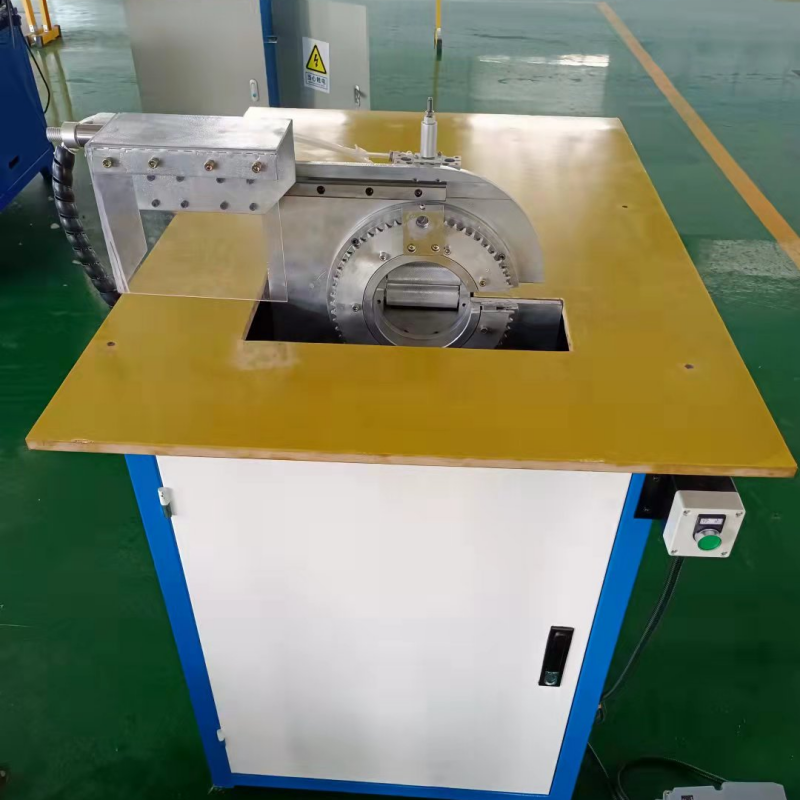
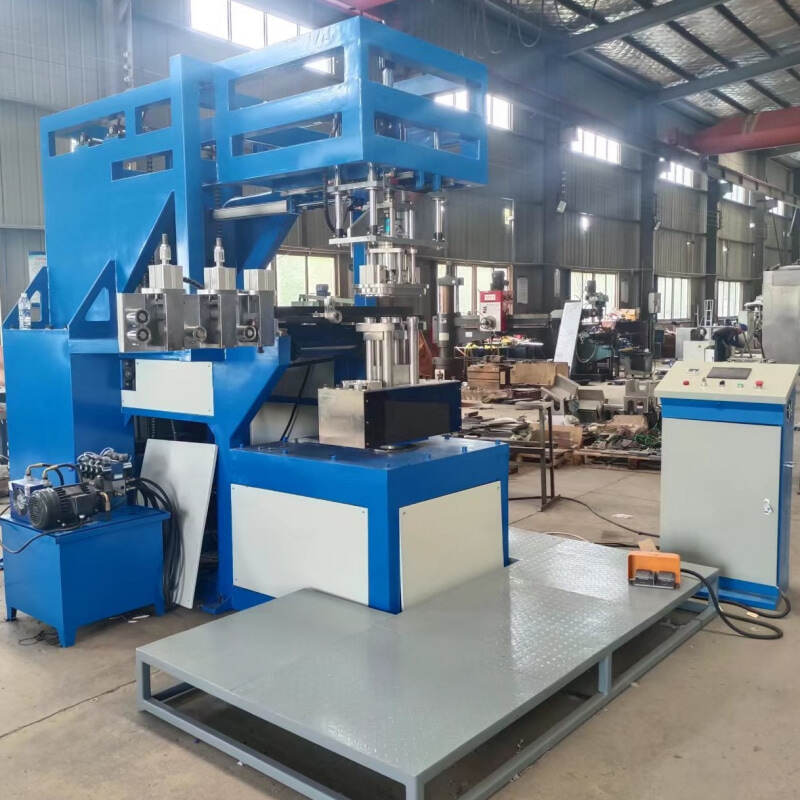
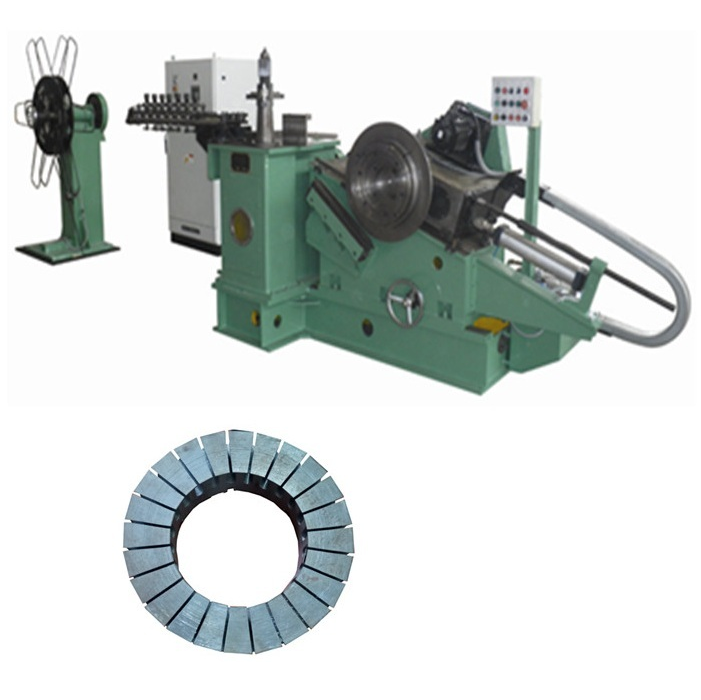
The transformer vpi system delivers profound environmental sustainability advantages and workplace safety improvements compared to traditional oil-filled transformer manufacturing and operation. Elimination of insulating oil removes thousands of gallons of petroleum-based fluids from your facility and the broader environment, preventing potential spills that contaminate soil, groundwater, and surface waters with substances requiring expensive remediation and causing long-term ecological damage. The solid insulation structure produced through vacuum pressure impregnation contains no substances classified as hazardous materials, simplifying regulatory compliance, eliminating special storage requirements, and reducing liability exposure associated with hazardous material management. Manufacturing facilities employing the transformer vpi system operate without large oil storage tanks, transfer pumps, filtration equipment, and associated piping that present leak risks and require constant monitoring, inspection, and maintenance to prevent environmental releases. End-of-life disposal becomes dramatically simpler since transformer vpi system products contain recyclable materials including copper conductors, steel cores, and thermoset resins that pose no environmental hazards, contrasting sharply with oil-filled units requiring specialized disposal procedures for contaminated fluids and oil-saturated components. The absence of flammable liquids significantly reduces fire risks in manufacturing facilities and end-user installations, lowering insurance premiums, eliminating requirements for special fire suppression systems, and enabling installation in locations where fire codes prohibit oil-filled equipment. Worker safety improves measurably as employees face no exposure to hot insulating oils that cause severe burns during maintenance procedures or equipment failures, removing a significant occupational hazard that affects transformer servicing and emergency response activities. Indoor air quality remains unaffected by oil mists, vapor emissions, or decomposition byproducts that occur when oil-filled transformers operate at elevated temperatures, creating healthier working environments that reduce respiratory complaints and long-term health impacts. The transformer vpi system manufacturing process itself operates with minimal environmental emissions, as modern resin formulations produce negligible volatile organic compounds during curing compared to solvent-based insulation systems used in earlier manufacturing methods. Energy consumption during production remains lower than oil processing, as vacuum impregnation cycles require less energy than the heating, degassing, and circulation processes necessary for oil-filled transformer manufacturing. Transportation environmental impacts decrease because transformer vpi system products weigh substantially less than oil-filled equivalents, reducing fuel consumption and carbon emissions during shipping from manufacturing facilities to installation sites. The extended operational lifespan achieved through superior insulation integrity means fewer replacement units manufactured over decades of service, reducing cumulative environmental impacts from raw material extraction, manufacturing processes, and transportation activities. Facility planning becomes more flexible as transformer vpi system products require no containment structures, spill prevention systems, or special ventilation that constrain placement options and increase construction costs, enabling more efficient use of building space and reduced material consumption in electrical infrastructure development.
 ×


 EN