VPI Insulation System: Advanced Vacuum Pressure Impregnation Technology for Superior Electrical Component Protection

Get a Free Quote

Our representative will contact you soon.
Email
Name
Mobile/WhatsApp
Company Name
Message
0/1000

vpi insulation system

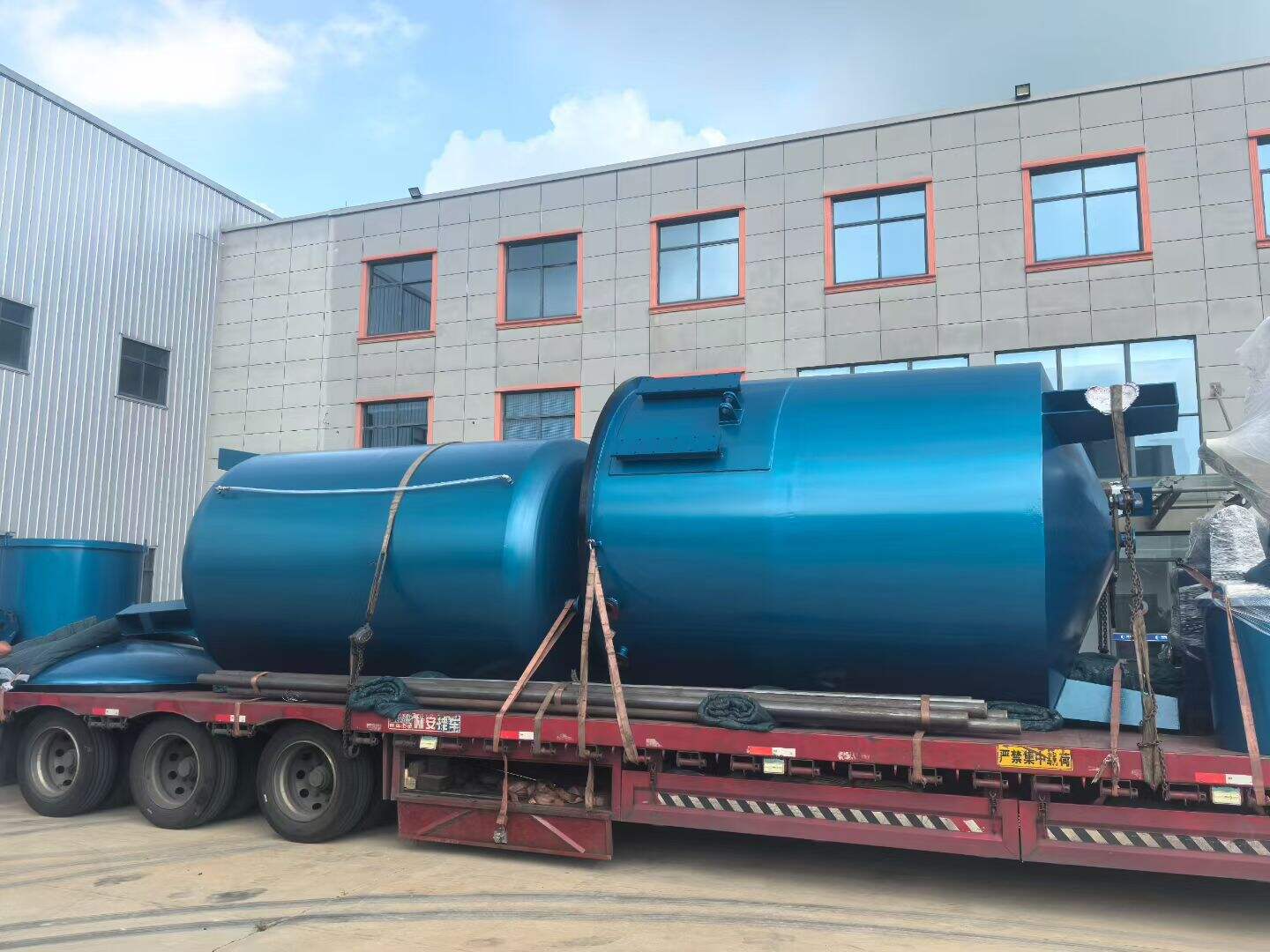
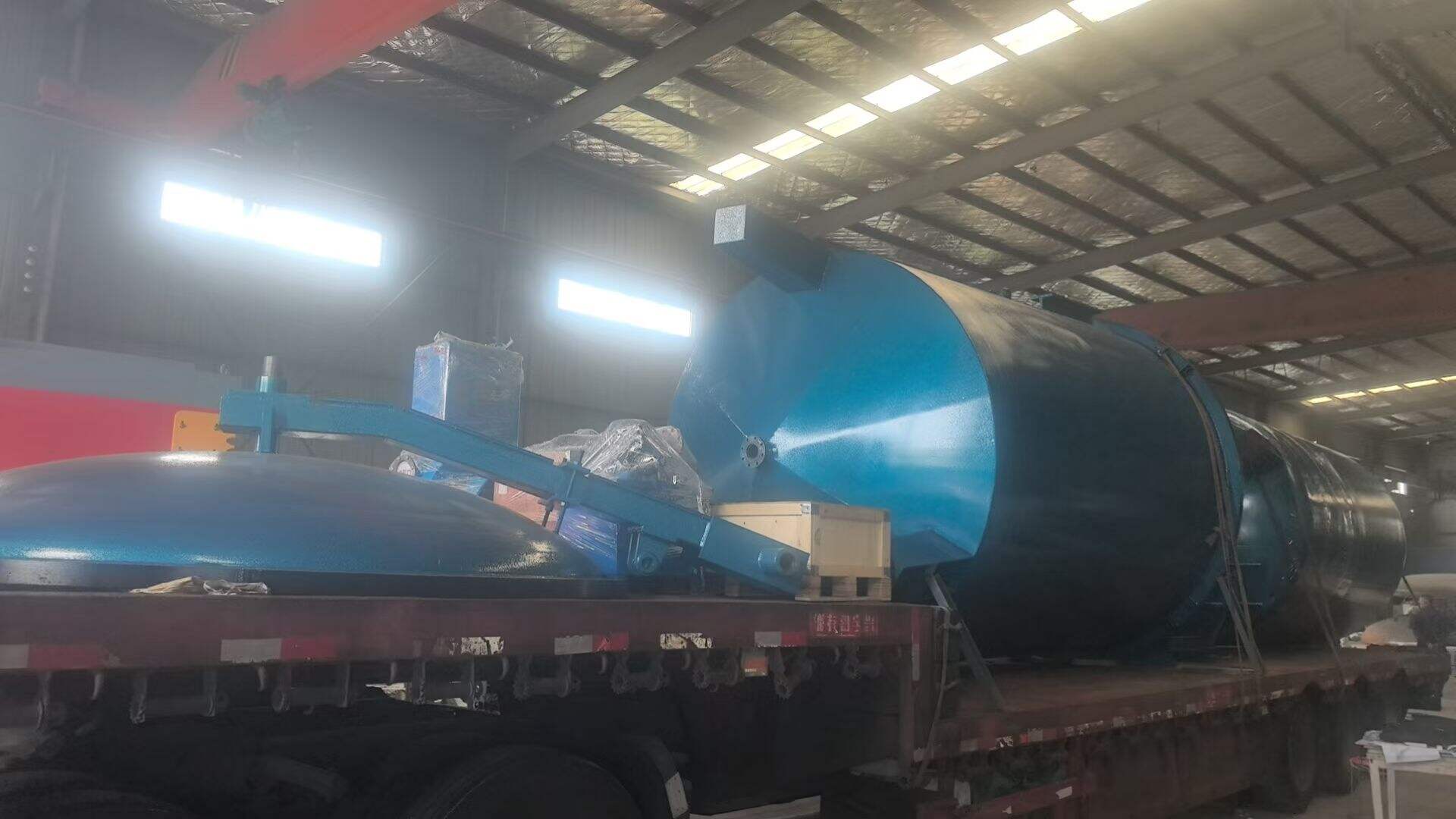
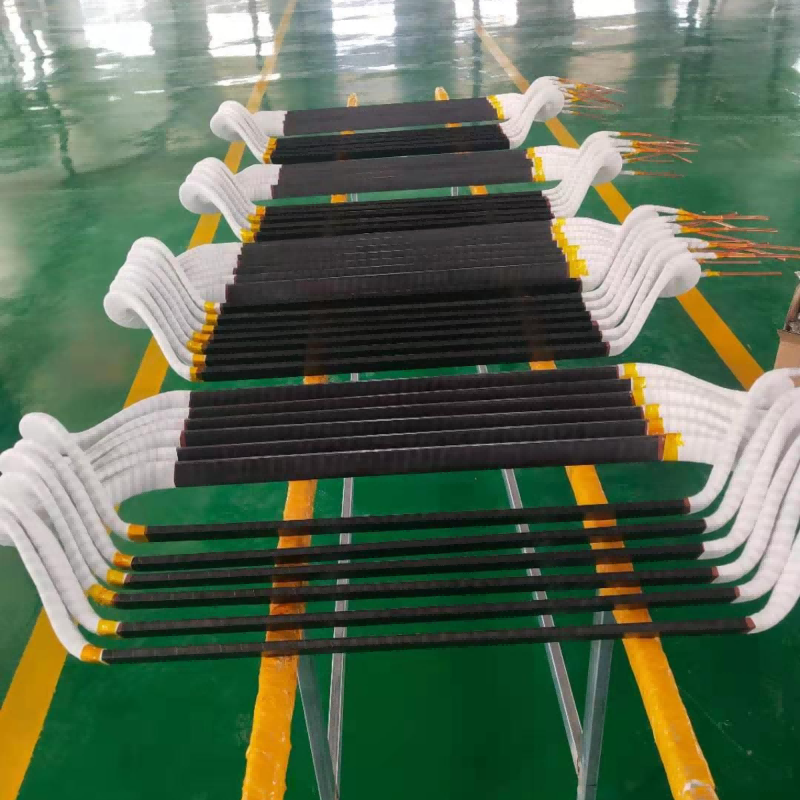
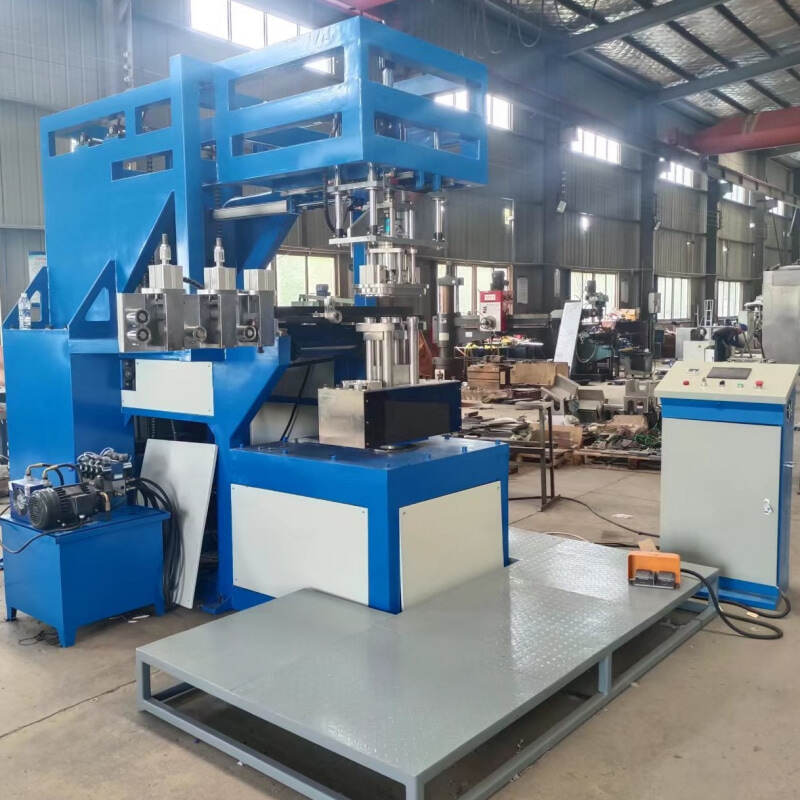
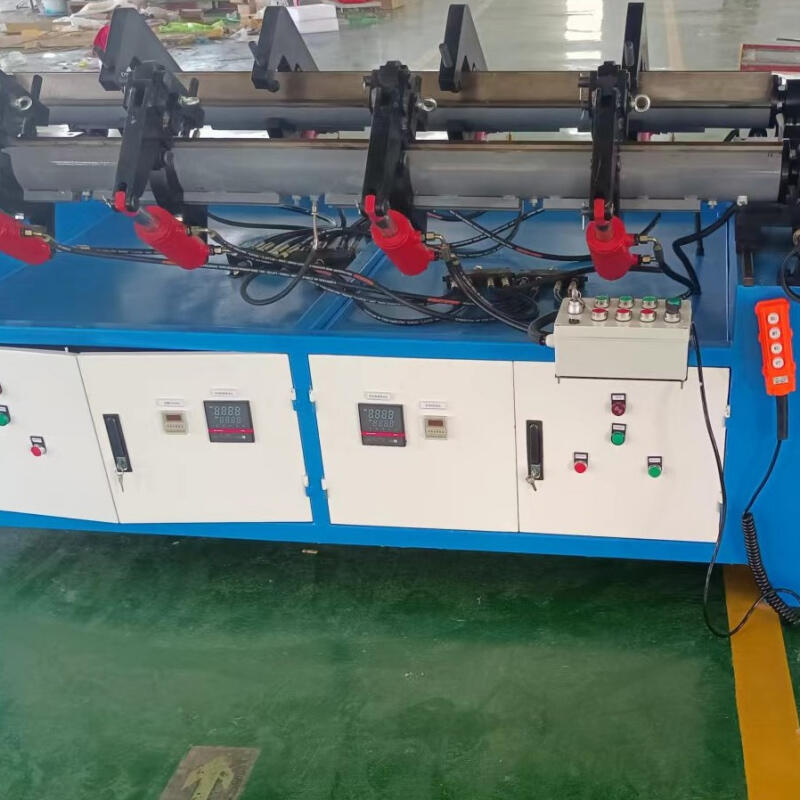
The vpi insulation system represents a cutting-edge electrical insulation technology that has revolutionized the way manufacturers protect and enhance the performance of electrical components. VPI stands for Vacuum Pressure Impregnation, a sophisticated process that ensures complete saturation of electrical windings and components with specially formulated resins. This vpi insulation system works by placing components into a vacuum chamber, removing all air and moisture, then introducing resin under pressure to fill every void and gap within the insulation structure. The result is a hermetically sealed, mechanically robust insulation barrier that provides superior protection against environmental factors, electrical stress, and thermal degradation. The main functions of the vpi insulation system include moisture resistance, thermal conductivity improvement, mechanical strength enhancement, and dielectric performance optimization. Technologically, this system employs advanced vacuum equipment, precision pressure controls, and carefully engineered resin formulations that cure to create a uniform insulation layer. The vpi insulation system finds extensive applications across multiple industries, including motor manufacturing, transformer production, generator construction, and various electrical equipment assembly operations. In motor applications, the vpi insulation system extends operational life by preventing moisture ingress and reducing the risk of insulation breakdown. For transformers, this technology ensures consistent dielectric strength across all windings, reducing the likelihood of partial discharge and premature failure. The vpi insulation system has become an industry standard for high-performance electrical equipment where reliability is paramount. Manufacturers choose this technology because it delivers consistent results, improves product quality, and reduces warranty claims. The process accommodates various component sizes and configurations, making the vpi insulation system versatile enough for both small precision components and large industrial equipment. As electrical systems become more demanding with higher voltages and more challenging operating environments, the vpi insulation system continues to prove its value as an essential manufacturing process that ensures long-term reliability and performance.

New Products

Choosing the vpi insulation system for your electrical components brings numerous practical benefits that directly impact your bottom line and product performance. First and foremost, this technology dramatically extends the operational lifespan of electrical equipment by creating a complete barrier against moisture, one of the primary causes of insulation failure. When components are properly treated with the vpi insulation system, they can withstand humid environments, temperature fluctuations, and condensation without degradation. This translates to fewer breakdowns, reduced maintenance costs, and increased customer satisfaction. The financial advantages become clear when you consider that equipment protected by the vpi insulation system typically lasts significantly longer than conventionally insulated alternatives, providing better return on investment over time. Another major advantage is the enhanced thermal management that the vpi insulation system delivers. The resin completely fills air pockets that normally act as thermal insulators, allowing heat to transfer more efficiently from the windings to the outer casing where it can dissipate. This improved heat dissipation means your equipment runs cooler, operates more efficiently, and maintains performance even under demanding conditions. Cooler operation also contributes to extended component life and reduced energy consumption. The mechanical strength provided by the vpi insulation system should not be overlooked. The cured resin acts as a structural reinforcement, bonding all components together and preventing vibration-related wear and damage. Equipment subjected to constant vibration, shock, or mechanical stress maintains its integrity far better when protected by this technology. The vpi insulation system also provides superior electrical performance by eliminating air voids where partial discharge could occur. Partial discharge gradually erodes insulation and leads to eventual failure, but the vpi insulation system eliminates these vulnerable spots, ensuring consistent dielectric strength throughout the component. For manufacturers, the process offers excellent repeatability and quality control. Each component receives uniform treatment, reducing variation and improving overall product consistency. This standardization simplifies quality assurance and reduces the risk of defective products reaching customers. The vpi insulation system accommodates various sizes and types of components, making it a flexible solution for diverse manufacturing needs. From small motors to large generators, this technology adapts to your requirements. Environmental resistance is another practical benefit, as components treated with the vpi insulation system resist chemicals, oils, and contaminants that would otherwise compromise insulation integrity. This makes the technology ideal for harsh industrial environments where exposure to aggressive substances is common. Ultimately, the vpi insulation system represents an investment in quality, reliability, and customer satisfaction that pays dividends through reduced failures, lower warranty costs, and enhanced brand reputation.

Practical Tips

January 15th, 2026 Air Conditioner BLDC Motor Production line Dispatch to India

08

Apr

January 15th, 2026 Air Conditioner BLDC Motor Production line Dispatch to India

View More
August 30th, 2025, 45W Air conditioner ODU BLDC motor Assembly line Inspection From India customer

08

Apr

August 30th, 2025, 45W Air conditioner ODU BLDC motor Assembly line Inspection From India customer

View More
January 5th , 2026 CNC Coil Forming Machine For High Voltage Motors dispatched to UZ (Uzbekistan)

07

Apr

January 5th , 2026 CNC Coil Forming Machine For High Voltage Motors dispatched to UZ (Uzbekistan)

View More

Get a Free Quote

Our representative will contact you soon.
Email
Name
Mobile/WhatsApp
Company Name
Message
0/1000

vpi insulation system

Complete Moisture Protection and Environmental Resistance

Complete Moisture Protection and Environmental Resistance

The vpi insulation system excels at providing comprehensive moisture protection, which stands as one of its most valuable features for electrical equipment manufacturers and end users alike. Moisture represents one of the greatest threats to electrical insulation integrity, causing gradual degradation, reducing dielectric strength, and ultimately leading to catastrophic failures that require expensive repairs or complete equipment replacement. Traditional insulation methods often leave microscopic air pockets and gaps within the winding structure, creating pathways for moisture infiltration over time. The vpi insulation system eliminates this vulnerability through its sophisticated vacuum and pressure process. During the treatment cycle, components are first placed in a vacuum chamber where air pressure is reduced to extremely low levels, effectively removing all air and moisture from within the winding structure. This vacuum stage is critical because it ensures that every tiny void, gap, and space between conductors is emptied and ready to receive the protective resin. Following the vacuum phase, specially formulated resin is introduced under controlled pressure, forcing it into every available space throughout the component. This combination of vacuum extraction and pressure impregnation guarantees complete saturation, leaving absolutely no room for moisture to enter later. Once the resin cures, it forms a continuous, impermeable barrier that seals the entire insulation system against environmental exposure. The importance of this moisture protection cannot be overstated, particularly for equipment operating in challenging environments such as marine applications, outdoor installations, humid climates, or locations with significant temperature variations that cause condensation. Equipment protected by the vpi insulation system maintains its electrical properties even when exposed to rain, humidity, condensation, or direct water contact in many cases. This reliability translates directly into reduced downtime, lower maintenance requirements, and extended service intervals. For customers, this means purchasing equipment that continues performing reliably year after year without the premature failures associated with moisture-related insulation breakdown. The environmental resistance extends beyond moisture to include protection against various contaminants, chemicals, and corrosive substances that equipment might encounter in industrial settings. The cured resin creates a chemically resistant surface that prevents oils, solvents, and other substances from penetrating and damaging the insulation. This comprehensive environmental protection makes the vpi insulation system invaluable for applications in chemical processing plants, manufacturing facilities, mining operations, and any environment where equipment faces exposure to aggressive substances.

Superior Thermal Management and Heat Dissipation

Superior Thermal Management and Heat Dissipation

One of the most technically significant advantages of the vpi insulation system is its exceptional ability to improve thermal management within electrical components, a feature that directly impacts performance, efficiency, and operational lifespan. Electrical equipment generates heat during normal operation as current flows through conductors, and managing this heat effectively determines how well the equipment performs and how long it lasts. Traditional insulation methods that do not fully eliminate air pockets create thermal barriers within the winding structure because air acts as an excellent insulator, trapping heat where it is generated rather than allowing it to transfer away efficiently. This trapped heat causes localized hot spots, accelerates insulation aging, and can lead to thermal runaway conditions in extreme cases. The vpi insulation system fundamentally changes this thermal dynamic by completely filling all air spaces with resin that has significantly better thermal conductivity than air. During the impregnation process, the resin flows into every gap, creating continuous thermal pathways from the heat-generating conductors to the outer surfaces of the component where heat can dissipate into the surrounding environment or cooling system. This improved thermal conductivity means that heat generated during operation spreads more evenly throughout the component rather than concentrating in specific areas. The practical benefits of this enhanced thermal management are substantial and multifaceted. Equipment operates at lower overall temperatures, which reduces thermal stress on all materials and extends their useful life. Lower operating temperatures also improve electrical efficiency because conductor resistance increases with temperature, so cooler operation means less energy wasted as heat and more power delivered for useful work. For motors, this translates to improved performance and reduced energy consumption. For transformers and generators, better thermal management allows higher power ratings within the same physical size or enables more compact designs for the same power output. The vpi insulation system also provides more consistent thermal performance across the entire component, eliminating hot spots that would otherwise become failure points. This thermal uniformity is particularly important for large equipment where temperature gradients can be significant. Manufacturers appreciate that the improved thermal characteristics of the vpi insulation system allow them to design more powerful, more compact, or more efficient equipment without compromising reliability. End users benefit from equipment that runs cooler, lasts longer, and costs less to operate over its lifetime. The thermal advantages become especially critical in applications where equipment operates continuously or under heavy loads, where even modest temperature reductions translate into substantially extended service life and improved reliability.
Enhanced Mechanical Strength and Vibration Resistance

Enhanced Mechanical Strength and Vibration Resistance

The vpi insulation system delivers remarkable mechanical strength and vibration resistance, features that prove crucial for equipment reliability in real-world operating conditions where mechanical stresses can be just as damaging as electrical or thermal factors. Electrical equipment rarely operates in perfectly stable, vibration-free environments. Motors experience rotational forces and mechanical vibrations, generators endure continuous operation with inherent mechanical oscillations, and transformers may be mounted on structures that transmit vibrations from nearby equipment or environmental sources. Without adequate mechanical reinforcement, these vibrations gradually cause insulation materials to shift, abrade against each other, and develop weak points that eventually fail. Traditional insulation methods that rely on mechanical fitting or wrapping provide limited resistance to these mechanical forces because individual components can move relative to each other over time. The vpi insulation system transforms the mechanical properties of insulated components by essentially creating a composite structure where the cured resin bonds all elements together into a unified, mechanically robust assembly. During the impregnation process, resin penetrates between all layers of insulation, around every conductor, and into every interface within the component structure. When this resin cures, it forms solid connections that lock everything in place, preventing the relative motion that causes mechanical wear. The result is a component that resists vibration, maintains its structural integrity under mechanical shock, and withstands the constant mechanical stresses of normal operation without degradation. This mechanical reinforcement is particularly valuable in applications involving high-speed rotation, frequent starting and stopping, or exposure to external vibrations from connected machinery or mounting structures. The practical implications of this enhanced mechanical strength extend throughout the equipment lifecycle. During manufacturing and transportation, components treated with the vpi insulation system resist damage from handling and shipping vibrations better than conventionally insulated alternatives. During installation, they tolerate the mechanical stresses of mounting and connection procedures without developing hidden damage. Throughout their operational life, they maintain structural integrity despite constant exposure to mechanical forces that would gradually degrade lesser insulation systems. The bonding effect created by the vpi insulation system also improves the transmission of mechanical forces throughout the structure, distributing stress more evenly rather than allowing it to concentrate at vulnerable points. This stress distribution further enhances reliability and extends service life. For manufacturers, the mechanical robustness provided by the vpi insulation system means fewer warranty claims related to mechanical failures, vibration damage, or premature wear. For end users, it means equipment that continues performing reliably even in mechanically demanding applications, reducing unexpected breakdowns and maintenance interruptions that disrupt operations and increase costs.

Get a Free Quote

Our representative will contact you soon.
Email
Name
Mobile/WhatsApp
Company Name
Message
0/1000