Versatile Integration Across Multiple Industry Applications
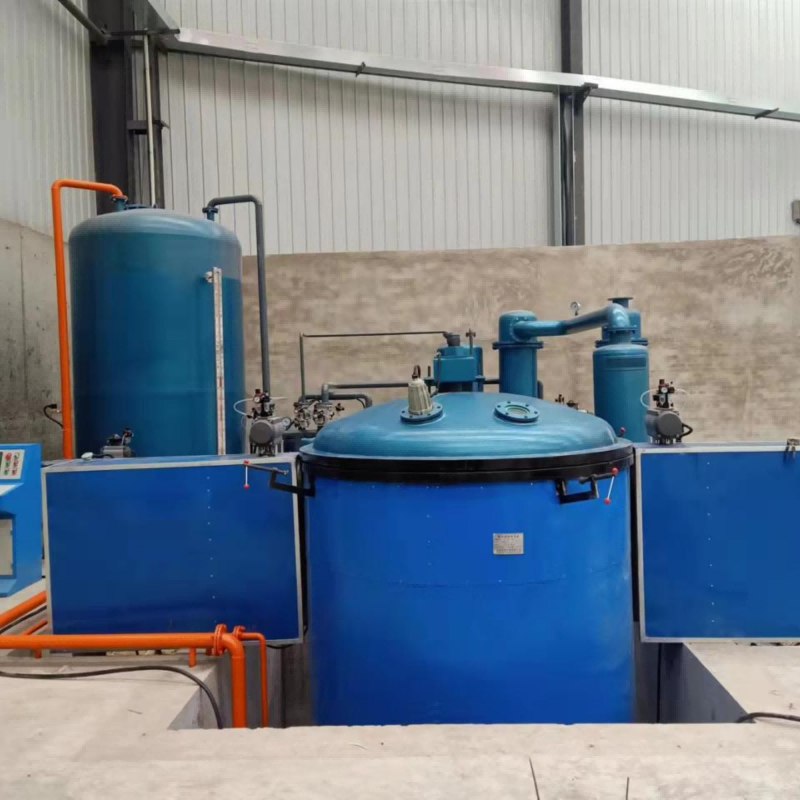
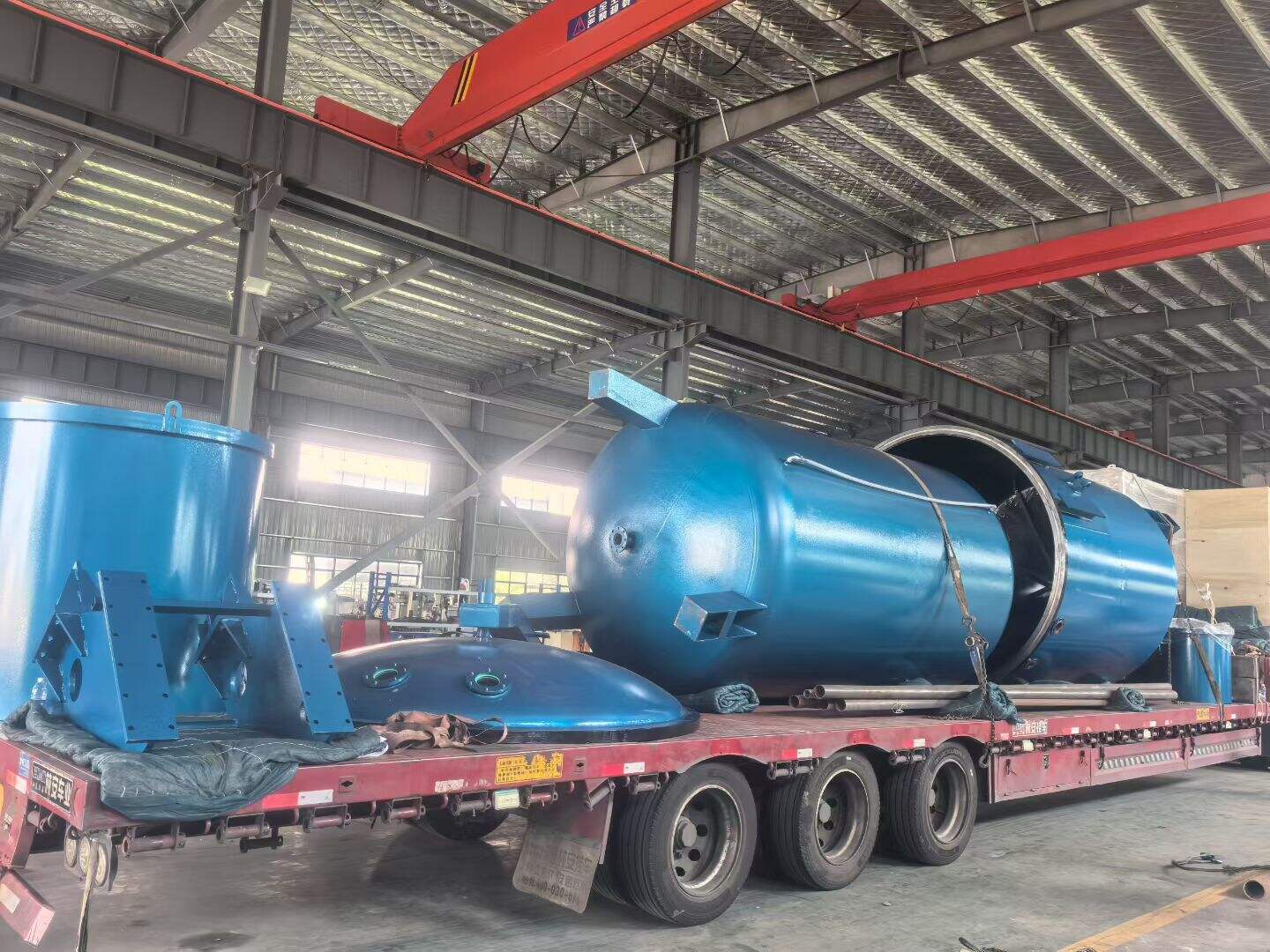
The vacuum pressure impregnation system demonstrates remarkable adaptability across diverse industrial sectors, addressing unique sealing challenges in applications ranging from miniature electronic components to massive automotive powertrain assemblies. This versatility stems from the fundamental physics underlying the process, which remains effective regardless of component size, geometry complexity, or base material composition. In automotive manufacturing, the vacuum pressure impregnation system plays a critical role in ensuring the integrity of engine blocks, cylinder heads, transmission housings, and brake components where even microscopic leak paths can lead to catastrophic failure. The casting processes used to create these components inevitably produce porosity, and the impregnation system transforms potentially defective parts into fully functional assemblies that meet stringent performance specifications. Aerospace applications demand even higher reliability standards, and the vacuum pressure impregnation system delivers the zero-defect performance required for components used in aircraft engines, hydraulic systems, and structural assemblies where failure poses unacceptable safety risks. Electronics manufacturing utilizes the vacuum pressure impregnation system to seal housings, connectors, and enclosures against moisture ingress and environmental contamination. The precision achievable through controlled impregnation ensures that sensitive electronic assemblies remain protected throughout their operational life, even in harsh service environments. Powder metallurgy components, which inherently contain interconnected porosity due to their sintered structure, benefit enormously from vacuum pressure impregnation system treatment. The process converts porous preforms into pressure-tight finished parts suitable for hydraulic and pneumatic applications. The system accommodates various sealant chemistries, allowing manufacturers to select materials compatible with specific operational fluids, temperature ranges, and chemical exposures their components will encounter. Water-based, solvent-based, and 100 percent solids sealant formulations can all be processed through appropriately configured vacuum pressure impregnation system equipment. Component geometry presents no limitation, as the vacuum and pressure forces act uniformly throughout the internal structure regardless of external shape complexity. Threaded features, internal passages, and intricate contours all receive equivalent treatment. Batch processing capabilities enable simultaneous treatment of multiple components, optimizing production efficiency while maintaining consistent quality across every piece in the load.
 ×


 EN